Fifth Third Bank economist pinpoints 3 implications of key Fed chair comment
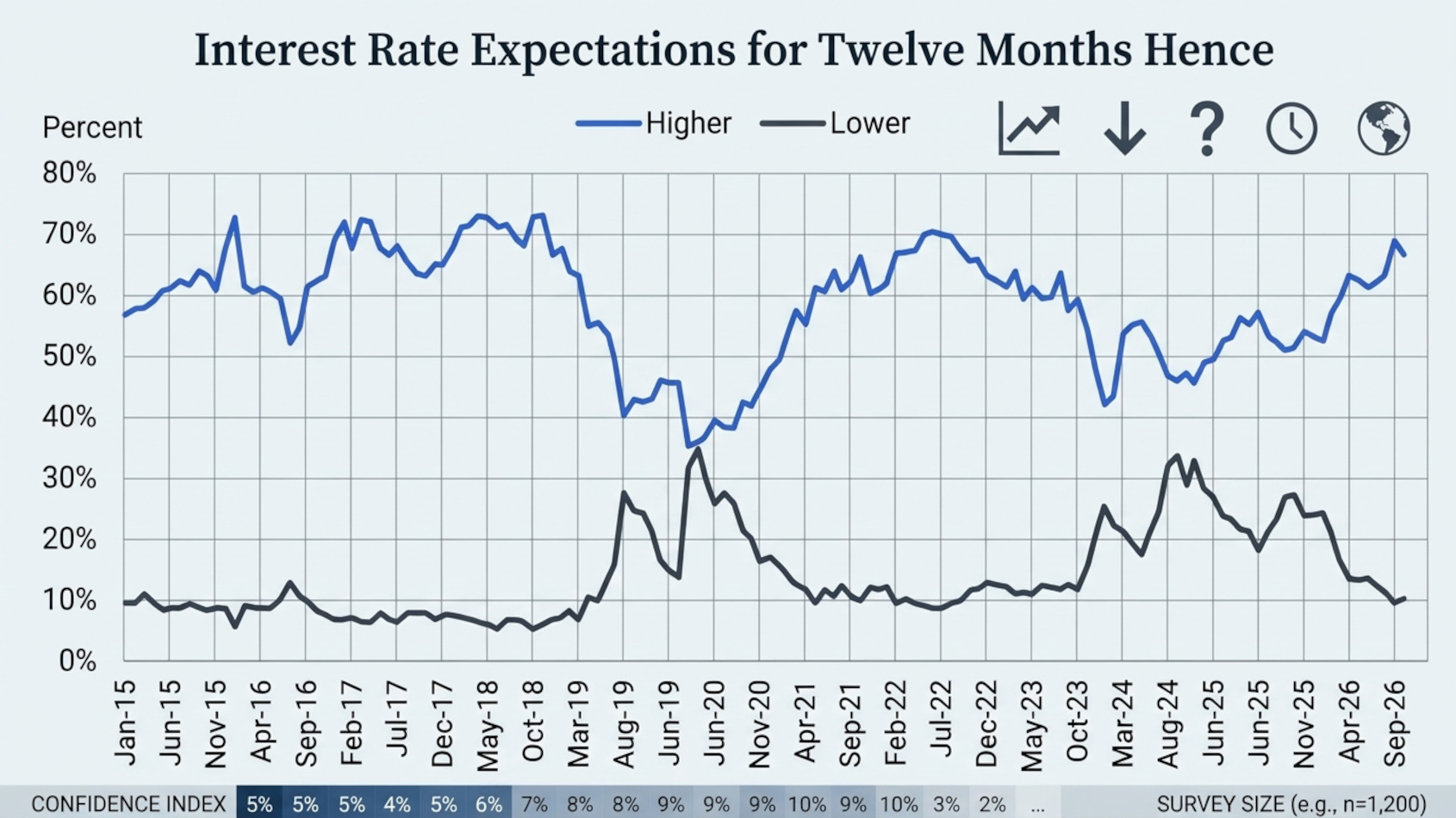
Chart created with data from the Conference Board using Nano Banana 2.
By subscribing, you agree to receive communications from Auto Remarketing and our partners in accordance with our Privacy Policy. We may share your information with select partners and sponsors who may contact you about their products and services. You may unsubscribe at any time.
Bill Adams, chief U.S. economist at Fifth Third Bank, pinpointed the importance of one specific comment made by Federal Reserve chair Kevin Warsh last week as he and other policymakers left interest rates unchanged and acknowledged that “inflation remains elevated.”
Adams pointed out that the Fed’s decision was expected after raising the federal funds target rate a quarter percentage point a month earlier.
“Chair Warsh’s key quote from the post-meeting press conference was that tighter financial conditions since the September rate hike ‘go in the direction of achieving a longer, more durable period of economic growth and price stability,’” Adams wrote on Tuesday.
“This statement has three implications: First, the Fed sees a case for further hikes, since “go in the direction” implies they’re not there yet. Second, the Fed aims to raise rates modestly as part of a mid-cycle adjustment, not to make them so tight that they threaten a serious slowdown. And third, the Fed is still in the business of forward guidance, even if Chair Warsh wishes he could give up the practice,” Adams continued.
The Fed has one more opportunity to modify the federal funds rate before the year closes. Adams delved into what might sway that choice when it’s made on Dec. 9.
“In a separate release, real GDP growth picked up to 3.4% annualized in the third quarter from 2.2% in the second quarter. Personal consumption expenditure growth held steady at a solid 3.8%, and nonresidential fixed investment surged 12.7% annualized. The trade deficit widened to 3.8% of GDP as imports surged 19.7% annualized and exports fell 5.7%,” Adams wrote.
Subscribe to Auto Remarketing to stay informed and stay ahead.
By subscribing, you agree to receive communications from Auto Remarketing and our partners in accordance with our Privacy Policy. We may share your information with select partners and sponsors who may contact you about their products and services. You may unsubscribe at any time.
“The Fed will see the widening trade deficit amid accelerating growth as a sign that demand is growing faster than the economy’s potential growth rate, another pebble on the Fed’s scales in favor of additional rate hikes,” he went on to say.
Perhaps just a passing thought about a rise in interest rates could influence automotive. On Monday, Cox Automotive chief economist Jeremy Robb noticed that the Conference Board’s latest reading of consumer sentiment showed intentions to buy a vehicle softened to 11% even while overall trends improved.
“Consumer confidence rebounded in October, following three months of deterioration as views of both current conditions and the outlook improved alongside slightly easing gas prices. The gain only partly reversed the summer’s declines, and expectations remain at levels that have historically pointed to risk of recession,” Robb wrote in his newest Auto Market Weekly Summary.