Fed’s Bowman outlines 3 steps now that Anthropic’s Mythos adds more possible AI risk to banking
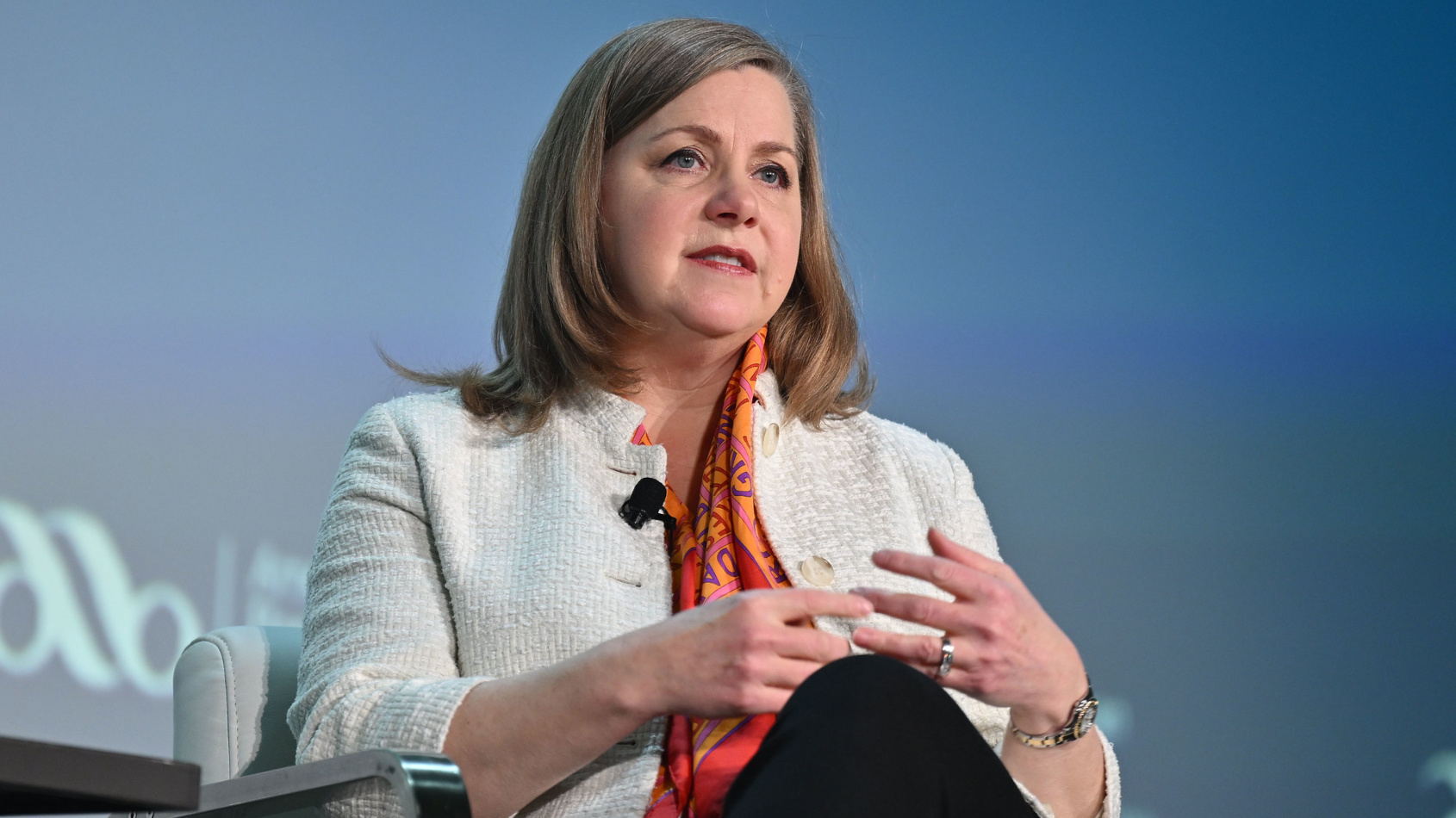
Federal Reserve vice chair Michelle Bowman is pictured on March 11 at conference hosted by the American Bankers Association. Image courtesy of the Fed.
By subscribing, you agree to receive communications from Auto Remarketing and our partners in accordance with our Privacy Policy. We may share your information with select partners and sponsors who may contact you about their products and services. You may unsubscribe at any time.
Federal Reserve vice chair Michelle Bowman acknowledged Friday that Anthropic’s Mythos — an artificial intelligence model that identifies cyber vulnerabilities — created a significant stir in banking, especially after Treasury Secretary Scott Bessent and Fed chair Jerome Powell convened the largest banks to discuss Mythos and cybersecurity implications.
Among the questions Bowman asked during the Artificial Intelligence Series Roundtable on Cybersecurity and Risk Management in Washington, D.C., hosted by the Financial Stability Oversight Council (FSOC):
Have we established reasonable and effective supervisory expectations?
Are bankers comfortable discussing emerging risks and new technologies with supervisory teams?
Have we successfully implemented a pro-innovation mindset that allows responsible innovation and AI adoption to occur within the banking system?
“Previous discussions about the use of AI tools have debated their risks and benefits. Today, we are facing the rapid evolution of AI tools much earlier than many expected, and the risks and benefits are now more tangible and clear,” Bowman said during the event.
Subscribe to Auto Remarketing to stay informed and stay ahead.
By subscribing, you agree to receive communications from Auto Remarketing and our partners in accordance with our Privacy Policy. We may share your information with select partners and sponsors who may contact you about their products and services. You may unsubscribe at any time.
Bowman continued that Mythos, “highlights the dynamic nature of this technology and the rapid pace that its capability can evolve. The improved ability to identify cyber vulnerabilities comes with the potential to address these weaknesses to enhance cybersecurity. And of course, we have already seen that AI has the potential to improve efficiency and effectiveness, particularly within the financial system.
“AI has become an integrated part of our daily experience. Financial institutions are developing their own applications and implementing vendor-assisted tools. Banks of all sizes benefit from its greater efficiency, speed, and content generation. Whether used in targeted modeling or enterprise-wide tools, AI will become a force multiplier for the financial system, and in the broader U.S. economy,” she went on to say.
After touching regulatory collaboration that the Federal Reserve has recently done with the Office of the Comptroller of the Currency (OCC) and the Federal Deposit Insurance Corp. (FDIC), Bowman returned to Mythos, which might have been the headline portion of the event.
“We know that this model accelerates the process of detecting cyber vulnerabilities,” Bowman said. “On one hand, this capability enables firms to address self-identified vulnerabilities thereby enhancing cyber security. But on the other hand, if used maliciously it could be deployed to identify and exploit weaknesses.
“As we learn more about this tool and others to be released in the coming weeks and months, we will continue to consider effective supervisory approaches for these and other emerging capabilities,” she added.
Bowman closed the subject by naming three actions the Fed and others associated with banking should do next, beginning with staying to stay abreast of new developments and to coordinate efforts across government.
Next, Bowman said regular communication regarding, “the unique risks of novel and potentially broadly impactful innovation is necessary. Banks of all sizes have expressed concern about access to the Mythos model. Regulators will continue to focus on critical developments and communicating these risks to supervised institutions, as well as on refining our cybersecurity approach.”
Furthermore, Bowman added, “we need to recognize that any regulatory or supervisory response must accommodate this evolution, regularly reviewing our approach and expectations, and communicating with industry. Feedback from industry is an important part of this approach, including from banks, financial firms, service providers, and other experts. These views will be extremely valuable as we refine our supervisory approach and response.”