
Car-buying intention remains positive even as consumers face more headwinds
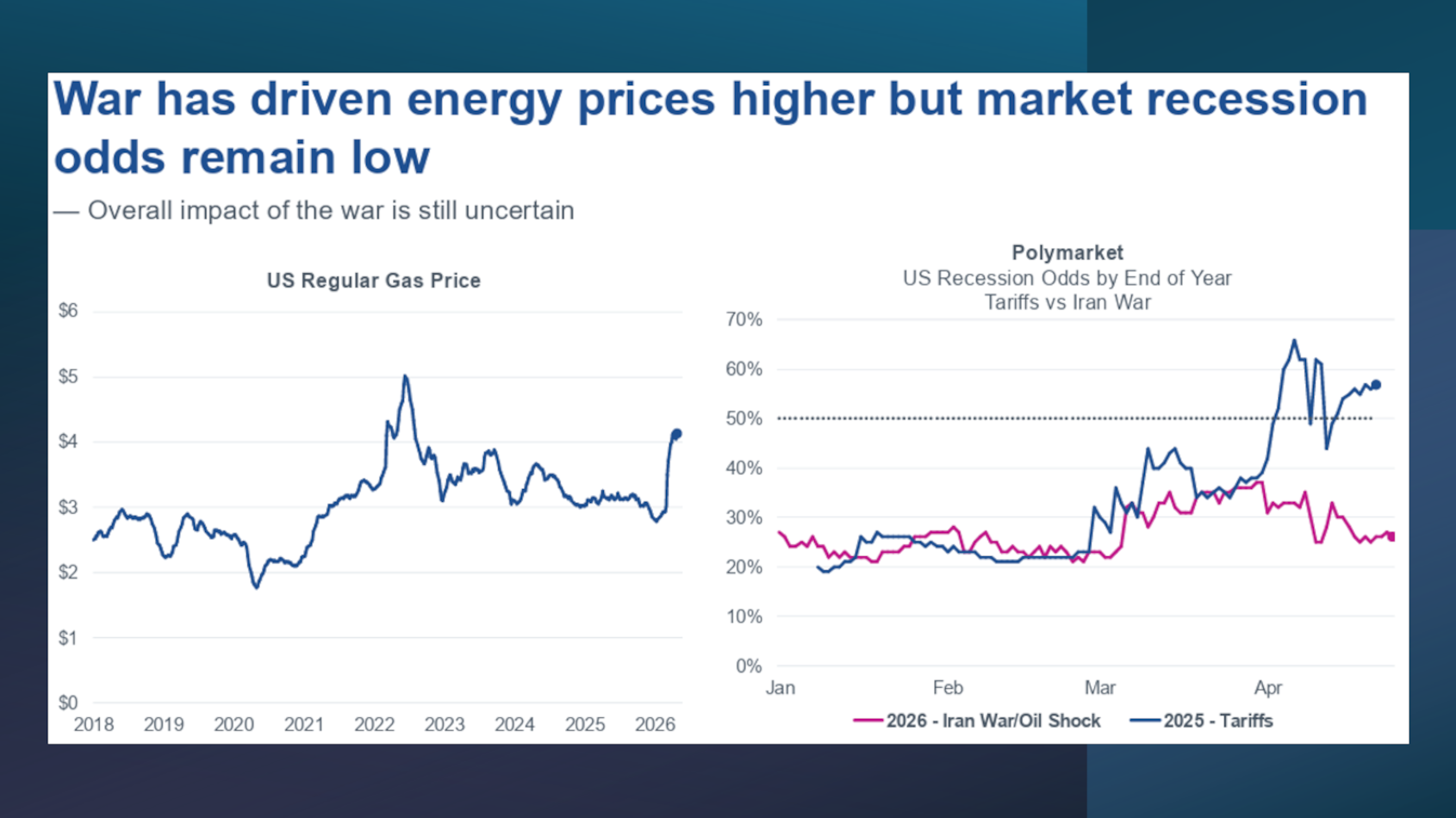
Chart courtesy of Experian.
By subscribing, you agree to receive communications from Auto Remarketing and our partners in accordance with our Privacy Policy. We may share your information with select partners and sponsors who may contact you about their products and services. You may unsubscribe at any time.
It’s perhaps a top question economic experts are asking, especially since the average cost of a gallon of gas in the U.S. sits at $4.55, according to AAA.
How much longer can consumers stay resilient?
Well, how about this positive outlook relevant to dealerships and auto lenders, courtesy of the latest Consumer Confidence Survey from the Conference Board.
Researchers found buying plans for autos continued rising on a six-month moving average basis in April, with used cars remaining the clear preference over new models.
Overall, the Conference Board Consumer Confidence Index edged up by 0.6 points to 92.8 in April from 92.2 in March’s upwardly revised reading.
The Present Situation Index — based on consumers’ assessment of current business and labor market conditions — retreated by 0.3 points to 123.8.
Subscribe to Auto Remarketing to stay informed and stay ahead.
By subscribing, you agree to receive communications from Auto Remarketing and our partners in accordance with our Privacy Policy. We may share your information with select partners and sponsors who may contact you about their products and services. You may unsubscribe at any time.
The Expectations Index — based on consumers’ short-term outlook for income, business, and labor market conditions — rose by 1.2 points to 72.2.
Researchers acknowledged the survey period for the month’s preliminary results was April 1-22, a period that included the temporary two-week ceasefire in the Middle East conflict beginning April 8 and the subsequent rebound in U.S. equities.
“Consumer confidence edged up in April but was overall little changed, despite material concern about rising gasoline prices as the war in the Middle East prompted a surge in Brent crude oil prices,” said Dana Peterson, who is chief economist at the Conference Board.
“Consumer appraisals of current and expected business conditions declined moderately compared to last month. This was offset by modest improvements in consumers’ perceptions of the labor market, both current and expected, as well as income expectations, which were slightly more optimistic in April,” Peterson continued in a news release.
Experian chief economist Joseph Mayans tackled the current issues in a report released Tuesday titled, Energy Shock vs. Consumers. Are consumers positioned to withstand another shock?
Mayans opened the report by writing, “Despite weak consumer sentiment, households have continued to power the U.S. economy through successive shocks in the post-pandemic era. The Russian invasion of Ukraine, the Regional Bank Crisis, and Liberation Day tariffs all threatened to derail the growth outlook, but consumers time and again shrugged off the stress and continued to open their wallets.”
He continued, “Now with the Iran War and a significant jump in energy prices, it begs the question: Are consumers in a place to see us through this shock as well?”
Mayans answered his own question by stating, “Overall, consumers still appear in decent shape.”
But he also acknowledged two of the three dynamics that helped consumers power through successive shocks have weakened:
- The Experian expert pointed out that the strong post-pandemic job market is one reason why consumers felt confident to continue spending.
“That dynamic has shifted with consumers (especially higher income consumers) facing a challenging job market and expectations of higher unemployment ahead,” Mayans wrote.
- He continued by noting income and wage growth was particularly strong following the pandemic, but those “pillars of strength have weakened meaningfully and could lead to softer spending in the coming quarters.”
- Mayans closed by mentioning strong net worth positions and growth of liquid assets continue to be a key driver of consumer health.
“However, the share of household net worth held in corporate equities is at an all-time high, which means households are more vulnerable to stock market pullbacks,” he added.
What do all the recent trends mean for the car business? Cox Automotive chief economist Jeremy Robb offered his assessment in an analysis published after the Federal Reserve left interest rates unchanged.
“Consumers who feel less wealthy tend to delay big-ticket purchases, defer trade-ins, and stretch existing vehicles longer, a combination of factors that would pressure new-vehicle sales and, as a downstream consequence, soften used-vehicle values,” Robb said. “Wholesale depreciation that might otherwise follow a seasonal pattern could accelerate if retail demand pulls back faster than inventory adjusts.
“The used-vehicle market, which has benefited from the spring bounce and tax refund tailwinds in recent weeks, would be among the first places that demand disruption would show up,” he added.