
Deloitte survey highlights growing impact of chief data and analytics officer
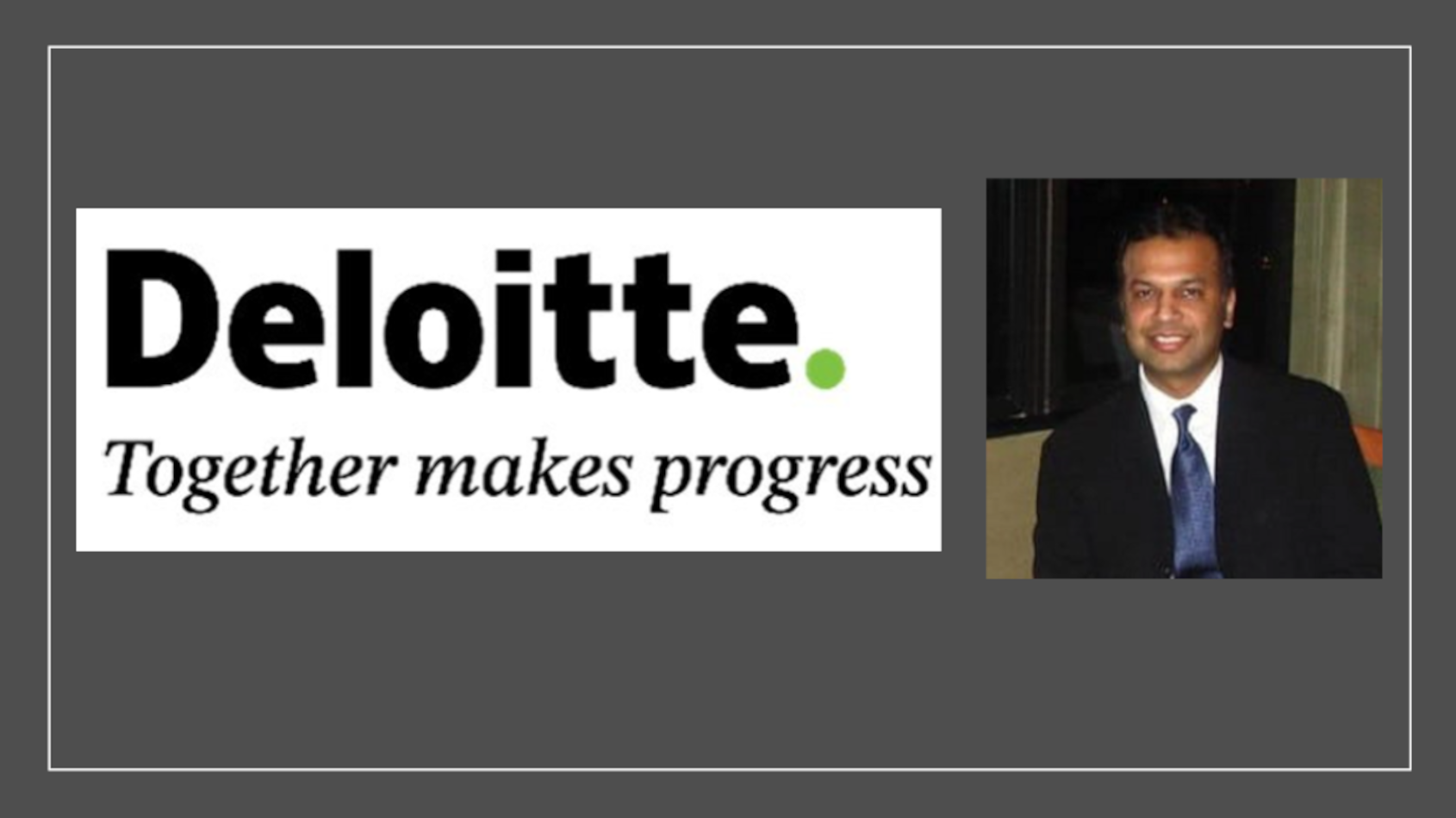
Ashish Verma is chief data and analytics officer at Deloitte. Images courtesy of the company.
By subscribing, you agree to receive communications from Auto Remarketing and our partners in accordance with our Privacy Policy. We may share your information with select partners and sponsors who may contact you about their products and services. You may unsubscribe at any time.
Deloitte recently released its 2026 chief data and analytics officer (CDAO) survey, which explores the evolving role, responsibilities, and value of CDAOs amid rapid artificial intelligence innovation.
Deloitte said the survey found that CDAOs are quickly emerging as mission-critical leaders in maximizing measurable value and ensuring AI pilots lead to business outcomes.
Researchers pointed out CDAO influence is growing accordingly. The survey found that 94% of CDAOs expect their influence to grow over the next 12 months, while 78% say AI has led them to have more power as decision makers, and 63% of CDAOs describe themselves as the primary drivers of data and analytics decisions.
Laser-focused on value, CDAOs see opportunity to build on their foundation.
The survey found that CDAOs are increasingly treating data as the engine of AI adoption and modernizing their data footprint to prepare for and scale AI successfully. Among some of the key findings:
—65% believe that AI adoption has made their role more critical – extending their reach beyond technical expertise into new leadership and strategy opportunities.
Subscribe to Auto Remarketing to stay informed and stay ahead.
By subscribing, you agree to receive communications from Auto Remarketing and our partners in accordance with our Privacy Policy. We may share your information with select partners and sponsors who may contact you about their products and services. You may unsubscribe at any time.
—68% of CDAOs describe their organizations as “actively implementing” data modernization.
—61% said improving data quality and access was key for AI and agentic AI initiatives to succeed, along with enhancing data and AI skills (53%) and encouraging partnerships between data teams and other departments (52%).
—CDAOs are laser-focused on making sure AI investments pay off: More than half (56%) of respondents feel “intense” pressure to prove the business value and direct ROI of data and AI initiatives.
Still, as CDAOs pay close attention to data quality and data teams, Deloitte discovered many see opportunities to do more or limitations in their current approach. Here are more findings related to that assertion:
—Nearly all CDAOs surveyed (95%) believe their organization isn’t fully leveraging the value of data, including 53% who are either extremely or very concerned, and 91% agree that their organization should do more to take advantage of new AI models, tools and innovations.
—A majority of respondents believe their organization impedes their leadership efforts by not providing sufficient resources to hire and retain top data and analytics talent, and 44% believe investments in upskilling and training employees would benefit their organization.
—Further, only 19% of CDAOs surveyed said their organization has “robust” privacy and guardrail tools to ensure data privacy.
As their influence grows, Deloitte said CDAOs are also pushing back on the position’s reputation as a “revolving door.” Supporting that trend are these points:
—More than half (56%) expect to retire in their position and only 9% have plans to leave their position or switch careers soon.
—Further, even as AI rapidly changes the needs and priorities of their role, 62% of CDAOs surveyed feel that the realities of their job responsibilities are mostly or completely aligned with their expectations.
While CDAOs also feel pressure to further develop their leadership skills, with 33% identifying it as a top three challenge, Deloitte emphasized they are here to stay.
“The upside appears to be an increasingly vital role with leaders who are excited to perform it and make their long-term impact on their enterprise,” researchers said, noting a majority of respondents (89%) described their role as one in which the CDAO can actively evolve or transform data and AI strategy with full executive support.
Quantitative research for Deloitte’s CDAO survey was conducted between August to September, via an online survey of 100 C-suite executives from companies with $1 billion or more in revenue. Their titles included CDAO, CDO, CAIO, among others.
Respondents represented more than 20 different industries. Following the quantitative research, in-depth interviews were conducted in October for the project titled, “Today’s AI trailblazers: the CDAO’s emerging influence and challenges.”
Ashish Verma is chief data and analytics officer at Deloitte.
“Effective data leadership is a foundational element of AI success, and today’s CDAOs are increasingly in the driver’s seat for enterprise AI initiatives,” Verma said in a news release. “Modern CDAOs are bringing their vision to the table, managing larger teams, and transforming data and AI strategies — and our research shows they expect their role to grow even further as AI evolves and organizations rely on their expertise to drive value.
“CDAOs recognize that their role is more important than ever as AI adoption increases, and most are rising to the challenge,” Verma continued. “Organizations that don’t have a CDAO should consider creating one, recognizing that this inflection point in technology capabilities needs leaders who are fluent in business, IT and innovation, and able to track projects from conception to execution to long-term value. The future looks bright for CDAOs.”