While healthy, wholesale car values normalize after strong start; possible ‘volatility’ ahead
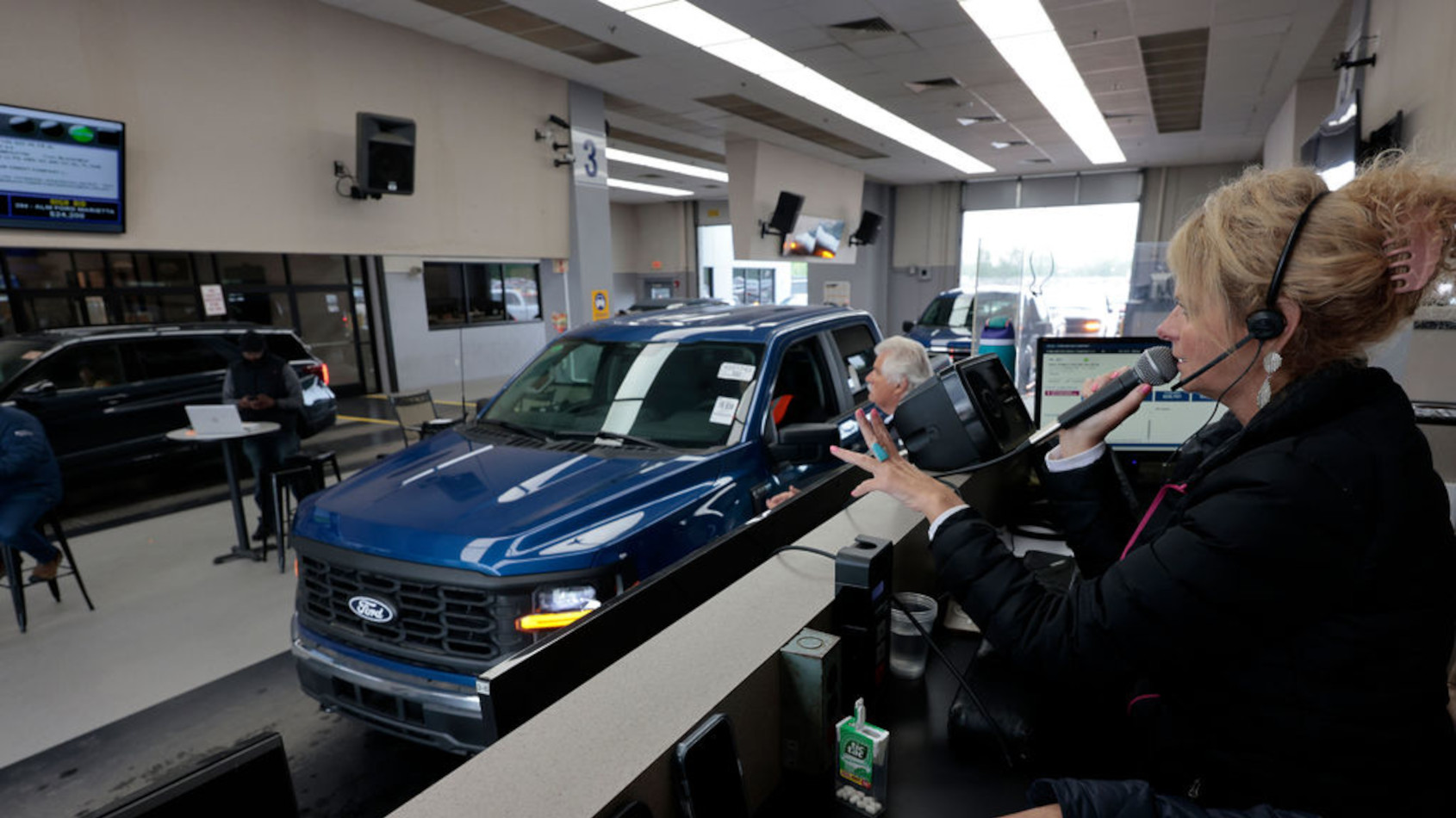
File photo of wholesale auction sale at Cox Automotive's Manheim Detroit location. Image courtesy of company.
By subscribing, you agree to receive communications from Auto Remarketing and our partners in accordance with our Privacy Policy. We may share your information with select partners and sponsors who may contact you about their products and services. You may unsubscribe at any time.
Strong but normalizing.
That’s how analysts with Black Book and Cox Automotive characterized wholesale vehicle values in May, as the fast start to the year gives way to seasonal changes and high gas prices.
“The spring market outperformed historical expectations this year, extending for roughly 15 weeks compared to the six-week average seen prior to the pandemic,” Black Book vice president of data & analysis Laura Wehunt said. “The sustained strength in demand contributed to a modest increase in Black Book’s Used Vehicle Retention Index in May, as seasonal market momentum carried further into the month than is typical.
“While wholesale conversion rates remained strong despite ongoing industry challenges, the market began showing signs of normalization toward the end of May,” Wehunt said. “Looking ahead, we anticipate depreciation levels will continue increasing as the market transitions out of the spring selling season. Consumer confidence, fuel prices, and geopolitical uncertainty will remain key factors influencing vehicle demand in the months ahead.”
Black Book’s Used Vehicle Retention Index came in at 147.4 in May, up 0.6% month-over-month and down 1.3% year-over-year.
Meanwhile, Cox Automotive’s Manheim Used Vehicle Value Index came in at 212.6, which was up 3.6% year-over-year and up 0.3% from April, when adjusting for mix, mileage and seasonality.
Subscribe to Auto Remarketing to stay informed and stay ahead.
By subscribing, you agree to receive communications from Auto Remarketing and our partners in accordance with our Privacy Policy. We may share your information with select partners and sponsors who may contact you about their products and services. You may unsubscribe at any time.
Unadjusted, they climbed 3.1% year-over-year and fell 1.2% month-over-month.
Like Black Book, Cox Automotive observed wholesale values continuing to “normalize” following a quick start to 2026. Heading into summer, higher fuel costs will play a role, says chief economist Jeremy Robb.
Still, it’s a healthy, balanced market.
“The Manheim Index overall remains higher against last year, yet it wasn’t as strong as we normally see within the month,” Robb said. “As values were much higher in February and March, they just started to normalize and depreciate in May, with non-seasonally adjusted prices falling a bit over one percentage point in the month. But the big picture shows good balance in supply and demand, with days’ supply sitting at pretty seasonal levels, even if it remains a bit below last year.”
It’s a bit different market than 2025.
A year ago, Robb said, used-car supply was tight due to demand spurred by tariffs. This year, Manheim data suggests strong sales conversion/dealer demand.
Electric vehicle prices at auction are climbing more rapidly than non-EV prices, as dealers increase bids, Robb said, amid 38% higher fuel prices.
Manheim is seeing a “steady” EV mix, he said, and supply of these vehicles will climb as more EVs come off lease over this back half of 2026.
In addition to the 3.6% overall year-over-year rise in wholesale prices last month, Cox Automotive also shared segment trends: compact car prices climbed 6.8%, midsize cars were up 1.9% and luxury vehicles rose 2.3%.
Prices of pickups were up 1.7% and SUV/CUV prices were steady (up 0.2%), Cox said.
EV prices climbed 11.9% and non-EV prices were up 3%, the data shows.
On the consumer side, prices are a worry spot.
“Affordability concerns continue, as we’ve seen higher appreciation in older units at Manheim this year – a trend we’ve been calling out recently. Additionally, some of the most affordable segments are showing the highest gains so far this year with compact cars higher by 12.3% in non-adjusted values since December, the highest of any major segment,” Robb said.
“With only one month left in the first half of the year, trends look decent for wholesale markets. The second half could bring some volatility as off-lease supply continues to ramp up, which could pressure some segments in the back half.”