Red and blue: Alive on the pitch, but not in the parking lot
By subscribing, you agree to receive communications from Auto Remarketing and our partners in accordance with our Privacy Policy. We may share your information with select partners and sponsors who may contact you about their products and services. You may unsubscribe at any time.
You’re likely to see a lot of red and blue in coming days, be it Fourth of July celebrations or some of the remaining contenders in the FIFA World Cup, which includes the U.S.
Just won’t see as much of it on the roads outside the stadium.
According to an iSeeCars study on the most popular car colors in America, more than 80% of vehicles in today’s car market are either white, black, gray or silver — a group also known as grayscale.
Thirty years ago, these neutral shades represented less than half the market (47.3%), iSeeCars said.
And while grayscale cars have increased their share of the market by 70.1% since 1996, once prominent hues like red, green, blue and brown have lost traction in the last three decades.
Non-grayscale colors (so, basically … colors) represented just 19.6% of vehicles in 2025. That’s down from 51.7% in 1996, representing a 62.2% decline in share, iSeeCars data shows.
Subscribe to Auto Remarketing to stay informed and stay ahead.
By subscribing, you agree to receive communications from Auto Remarketing and our partners in accordance with our Privacy Policy. We may share your information with select partners and sponsors who may contact you about their products and services. You may unsubscribe at any time.
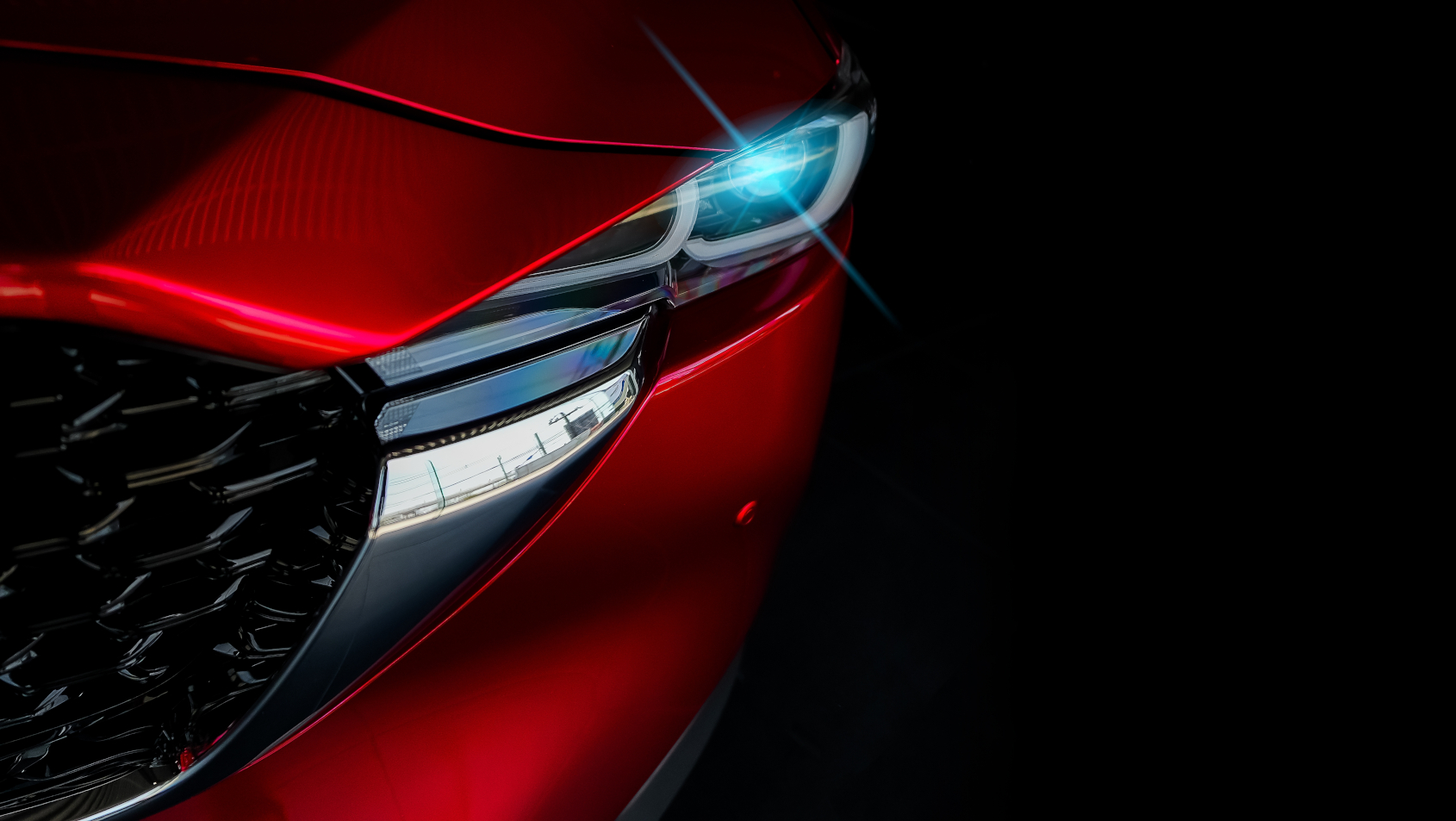
Once more than a fifth of the market (20.1% share in 1996) and the second most common color, red cars, for example, represented 7% of the vehicle population in 2025, a 65.2% decline in share.
It’s not easy (or common) being green, anymore, either.
Only 2.2% of cars were green in 2025, which is down 83.8% from 1996, when 13.4% of cars were green.
While ranking fourth on most-common car colors (after white, black and gray), blue cars have seen their share of market slide from 10.2% to 9.1%.
Silver ranks behind blue, but has seen its share climb 14.3%.
But there’s a silver (err, non-grayscale) lining for Roy G. Biv and Co.
“Up until a few years ago it looked like non-grayscale cars would completely vanish,” iSeeCars executive analyst Karl Brauer. “But the market share of grayscale cars finally stabilized in 2020, at around 80%, suggesting we’ll see at least a sliver of creative car colors going forward.”
Take sports cars, for example. Non-grayscale colors still represent 36.2% of that market, including blue and red, which rank Nos. 4 and 5 respectively and combine for more than a quarter of that segment.
“Relative to every other vehicle segment, sports cars still offer a veritable rainbow of color diversity, illustrating the expressive nature of these vehicles and their owners,” said Brauer.
These vehicles “provide the strongest evidence that color still has a place in the market,” iSeeCars said, though segments like trucks, SUVs and passenger cars tend to go neutral.
Gray was the most popular passenger car color (28.4%), while white was tops for SUVs (25.1%) and trucks (33.6%).
White was the most popular overall color at 25.7%, followed by black (23.4%) and gray (22.9%), iSeeCars said.
The company said grayscale’s gains happened in stages, with silver having an early rise through the mid-2000s before dipping recently, and gray showing consistent growth, climbing from 3.6% to 22.9% over the last three decades.
Black and white have long been among the most popular and have continued to grow in popularity. For black vehicles, that started in the early 2000s, and for white vehicles, that started in 2010, iSeeCars said.
Meantime, red was the second most popular car color back in 1996, next to white, with green in fourth. Those hues are hiding.
“The rise of grayscale cars had to come from somewhere, and it was primarily the fall of red and green, though nearly every non-grayscale shade has lost ground since 1996,” said Brauer.
Still, iSeeCars notes, despite its overwhelming dominance, grayscale has hovered at 80% the last six years.
“Does the recent grayscale plateau signal the beginning of a return to more expressive colors across all segments?” asked Brauer. “That will depend on the paint choices automakers offer and the car colors consumers demand in the years ahead.”