Dave Cantin Group launches new practice to match pro athletes & dealer groups in business partnerships
By subscribing, you agree to receive communications from Auto Remarketing and our partners in accordance with our Privacy Policy. We may share your information with select partners and sponsors who may contact you about their products and services. You may unsubscribe at any time.
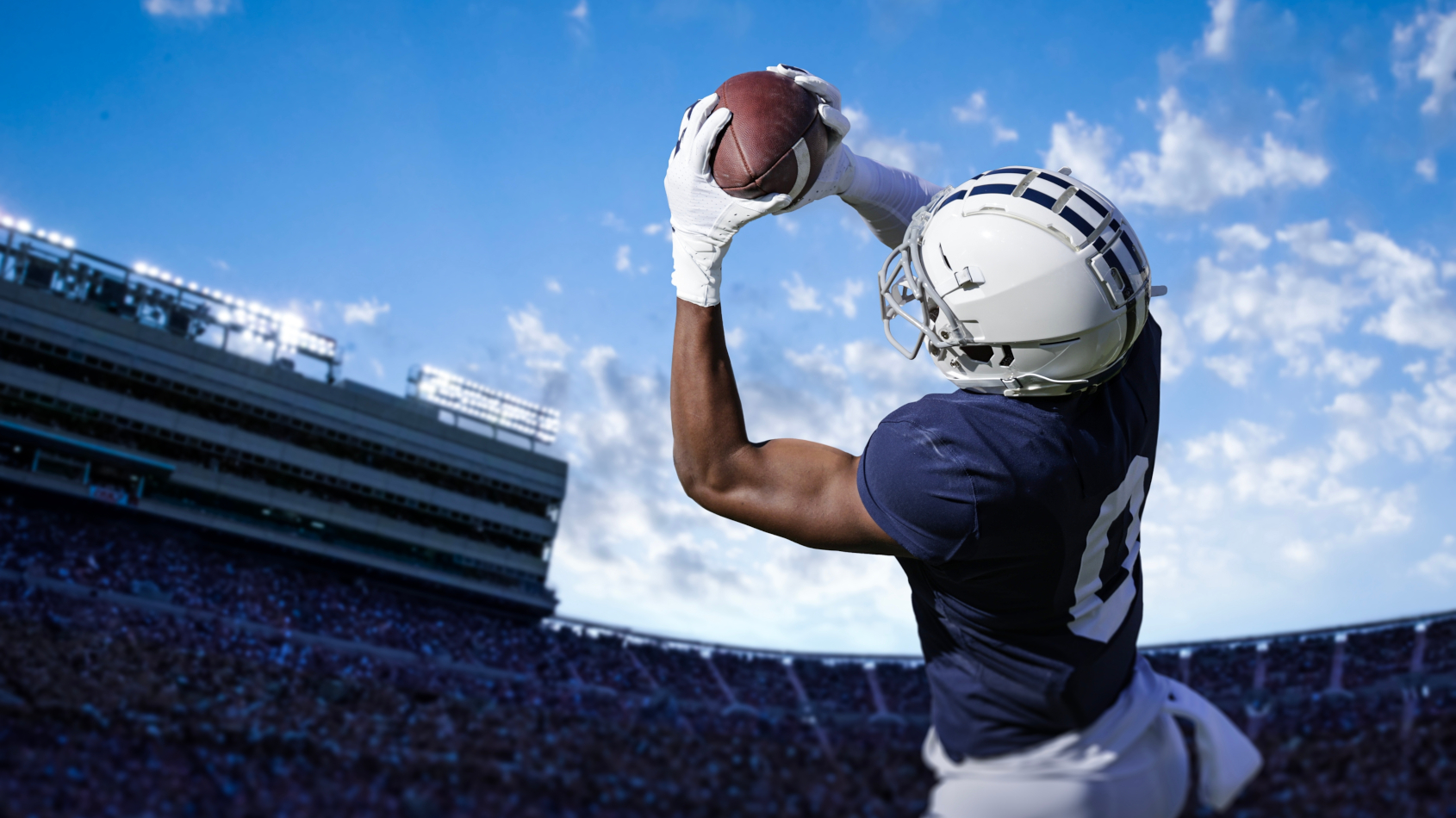
It makes sense that professional athletes sometimes find post-playing careers or other business opportunities in auto retail.
The car business, like sports, relies on teamwork, having a game plan and clock management.
But the potential synergy between the two is perhaps not fully realized or always intentionally planned.
That’s what Dave Cantin Group, whose leadership includes experience in both arenas, is hoping to solve with its new DCG Athlete Investment Services program, which aims to advise both dealer groups and pro athletes in building mutually beneficial business partnerships.
As DCG notes, the athlete as car dealership owner, investor and partner is nothing new. They’ve been doing that for decades.
“Yet most of those relationships developed organically, without a consistent framework for evaluating strategic fit, defining roles, aligning expectations or maximizing long-term value for both parties,” the company said in a news release.
Subscribe to Auto Remarketing to stay informed and stay ahead.
By subscribing, you agree to receive communications from Auto Remarketing and our partners in accordance with our Privacy Policy. We may share your information with select partners and sponsors who may contact you about their products and services. You may unsubscribe at any time.
“DCG Athlete Investment Services was created to help athletes and dealership groups approach those opportunities more strategically.”
And the leaders of DCG have experience in developing those opportunities.
CEO Dave Cantin previously worked with former New York Giant and Super Bowl champion Brad Benson, a partnership the firm called “one of the industry’s most recognized athlete-dealer success stories.”
DCG president Brian Gordon, meanwhile, has more than two decades experience advising major brands on sports marketing, sponsorship strategy and athlete partnerships. That includes work with Mercedes-Benz and General Motors, among other global companies in other sectors outside automotive.
“Today’s athletes are approaching business ownership differently than previous generations,” Dave Cantin Group CEO Dave Cantin said in a news release.
“They’re looking for opportunities where they can contribute more than capital and become part of building something meaningful over the long term,” Cantin said. “Automotive retail offers athletes a unique combination of entrepreneurship, community impact and growth potential.”
Gordon adds, “The industry is wrestling with a shift toward more intense local competition for attention and differentiation. Customers are pushing dealerships to become more consumer-centric; demanding trust, authenticity, convenience, and unique custom experiences.
“The groups that will stand out are the ones that can create real customer engagement throughout their communities and athletes can play a unique role in helping them do that.”
The new practice aims to help both dealer groups and pro athletes evaluate potential partnerships based on qualities like common business objectives, cultural fit and community alignments, along with market dynamics and goals.
Some of the services DCG will be providing include identifying potential partners, helping with partnership strategy, evaluating investment opportunities, advising on transactions, deal structuring, diligence support and ongoing consulting.
In short, blending DCG’s auto retail M&A background with its experience in sports business, marketing and partnership development.
And there’s plenty of room to grow beyond the current state of athlete-dealership partnerships.
“Done right, the opportunity is much bigger than a few appearances, some PR or even putting a recognizable name on a building,” Gordon said. “The most successful partnerships are built around shared values, community alignment and a clear understanding of how the athlete can meaningfully contribute holistically to the entire local or regional dealership business.”
Cantin added, “Professional athletes understand competition, leadership and community impact. Those qualities align naturally with automotive retail.
“When the right athlete and the right dealer group come together, the result can be something much more meaningful than a marketing relationship,” he said. “It can become a true business partnership that creates value for customers, employees, manufacturers and the community.”