Q&As with Game Changers in Auto Retail: John Schulz of Streamline
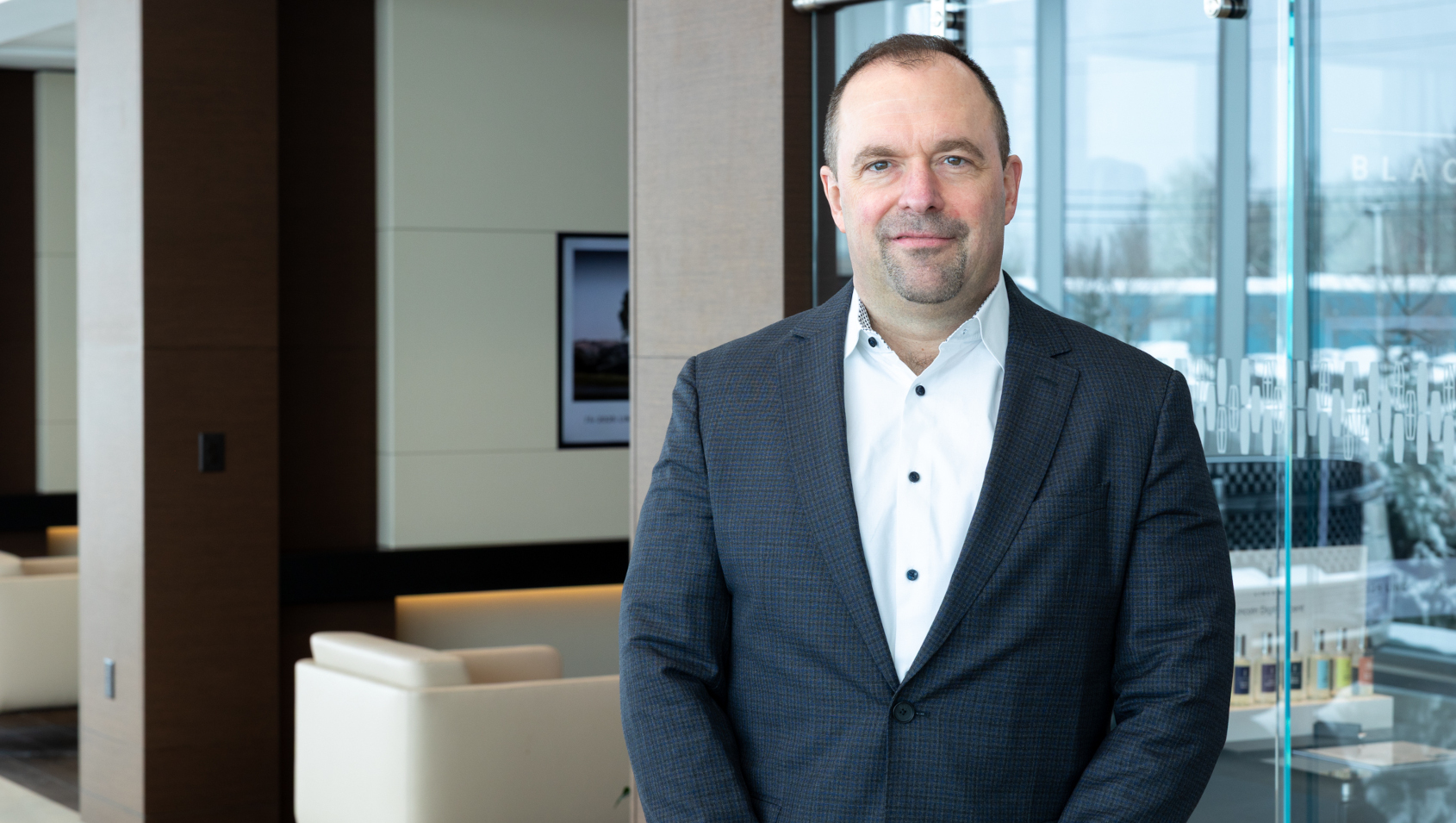
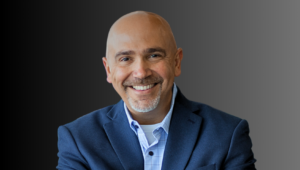
John Schulz. Image courtesy of Streamline.
By subscribing, you agree to receive communications from Auto Remarketing and our partners in accordance with our Privacy Policy. We may share your information with select partners and sponsors who may contact you about their products and services. You may unsubscribe at any time.
Auto Remarketing and Used Car Week are showcasing the dealers who are changing what it means to be an auto retailer through a new program called “Game Changers in Auto Retail,” presented by Conversica.
The inaugural honorees will be recognized on site next at UCW during an awards program and several will participate in a panel discussion during the event. They will also be spotlighted in the December issue of Auto Remarketing.
Next up in our Game Changers honoree Q&As is John Schulz, founder & executive vice president at Streamline.
What does it mean to be car dealer in 2026 and how has that definition changed since you’ve been in the industry?
I’ve been in the automotive industry for more than 30 years, and one of the biggest changes I’ve seen is that being a successful dealer today is about much more than selling and servicing vehicles. It’s about managing an increasingly complex business where technology, data, customer expectations, inventory, and access to credit all intersect.
When I started, so much of the business depended on individual experience, relationships, and manual processes. Those things still matter enormously, but today you also need the right technology and the ability to make better decisions, faster.
Subscribe to Auto Remarketing to stay informed and stay ahead.
By subscribing, you agree to receive communications from Auto Remarketing and our partners in accordance with our Privacy Policy. We may share your information with select partners and sponsors who may contact you about their products and services. You may unsubscribe at any time.
I think the best dealers in 2026 are the ones who understand that technology isn’t a replacement for the fundamentals of retailing. It’s a way to execute those fundamentals better. It should help you sell more cars, serve more customers, manage risk, and run a more profitable business.
And I think one of the biggest opportunities is in automotive finance. Dealers can do everything right on the sales floor, but if the financing process creates friction or a customer can’t find the right vehicle and financing combination, you can lose a deal that should have happened.
That’s really what has driven my work with Streamline. I believe the next generation of successful dealers will be the ones who combine great people and great processes with technology that helps them capture more opportunities and convert them into actual sales.
You founded Streamline Auto Solutions, an automotive fintech solution designed to help dealers grow their indirect auto business, capture more applications, reduce risk and exceptions, and book more loans. What inspired you to start this company and what industry needs/pain points did you identify?
Streamline was founded at West Herr, where more than 30 years in automotive finance helped me identify two challenges facing dealers every day. First, when a lender conditions or declines an application, the dealer must find a way to restructure the deal to fit the lender’s credit policy while maintaining profitability and keeping the customer engaged. Too often, that process relies on trial and error, multiple resubmissions, and guesswork.
Second, securing an approval doesn’t necessarily mean you’ve optimized the transaction. Dealers still need to balance affordability, F&I product penetration, lender requirements, and overall deal economics to create the best outcome for both the customer and the dealership.
We built Streamline to solve both sides of the financing equation. Embedded within existing dealer and lender workflows, Streamline helps dealers’ structure stronger deals, reduce trial-and-error resubmissions, and improve funding outcomes. At the same time, it helps lenders receive cleaner applications, reduce exceptions, increase approval opportunities, and fund more profitable contracts that fit their credit policies.
While Streamline was founded at West Herr, the problem exists across the industry. Our goal has always been to help dealers and lenders work more effectively together to create better, more profitable transactions.
What have been some keys to effectively juggling your responsibilities as a company founder but also as an auto finance executive for West Herr Automotive Group?
The key distinction is that I ultimately chose not to divide my attention between leading a finance operation and building a technology company.
Streamline was founded within West Herr, where I spent 24 years as Corporate Director of Non-Prime Finance. As Streamline gained traction, it became clear the opportunity extended far beyond our own organization. I stepped away from my corporate leadership responsibilities to focus full-time on growing Streamline while remaining closely connected to West Herr, which continues to provide a valuable real-world environment to test and refine new solutions.
The lesson for me was recognizing when the opportunity required a full commitment. Building a SaaS company demands a different mindset, different priorities, and a long-term focus on product development, customer adoption, and growth. My experience at West Herr helped identify the problem; dedicating myself to Streamline made it possible to build a solution for the broader automotive industry.
What advice would you have for other dealers who are looking to start their own companies?
My advice is to start with a problem that you know firsthand but validate that it exists beyond your own dealership. A pain point only becomes a business opportunity when others are willing to pay to solve it.
Build for the broader industry, not just your own operation, and recognize that building a SaaS company requires skills far beyond automotive expertise. Surround yourself with people who complement your strengths.
Most importantly, be prepared to commit. There comes a point when you have to decide whether you’re building an internal solution or a real company. For me, that meant stepping away from my day-to-day corporate responsibilities to focus on growing Streamline.
The biggest lesson I’ve learned is that industry experience helps you identify the opportunity, but execution is what turns it into a business.