COMMENTARY: Is your dealership running a clinic or crisis center?
By subscribing, you agree to receive communications from Auto Remarketing and our partners in accordance with our Privacy Policy. We may share your information with select partners and sponsors who may contact you about their products and services. You may unsubscribe at any time.
Walk into any major hospital administrator’s office, and you will hear them talk about one critical metric: bed occupancy rate. An empty hospital bed is a fixed cost that generates zero revenue. It is a wasted asset.
Now, walk into your service department and look at your lifts.
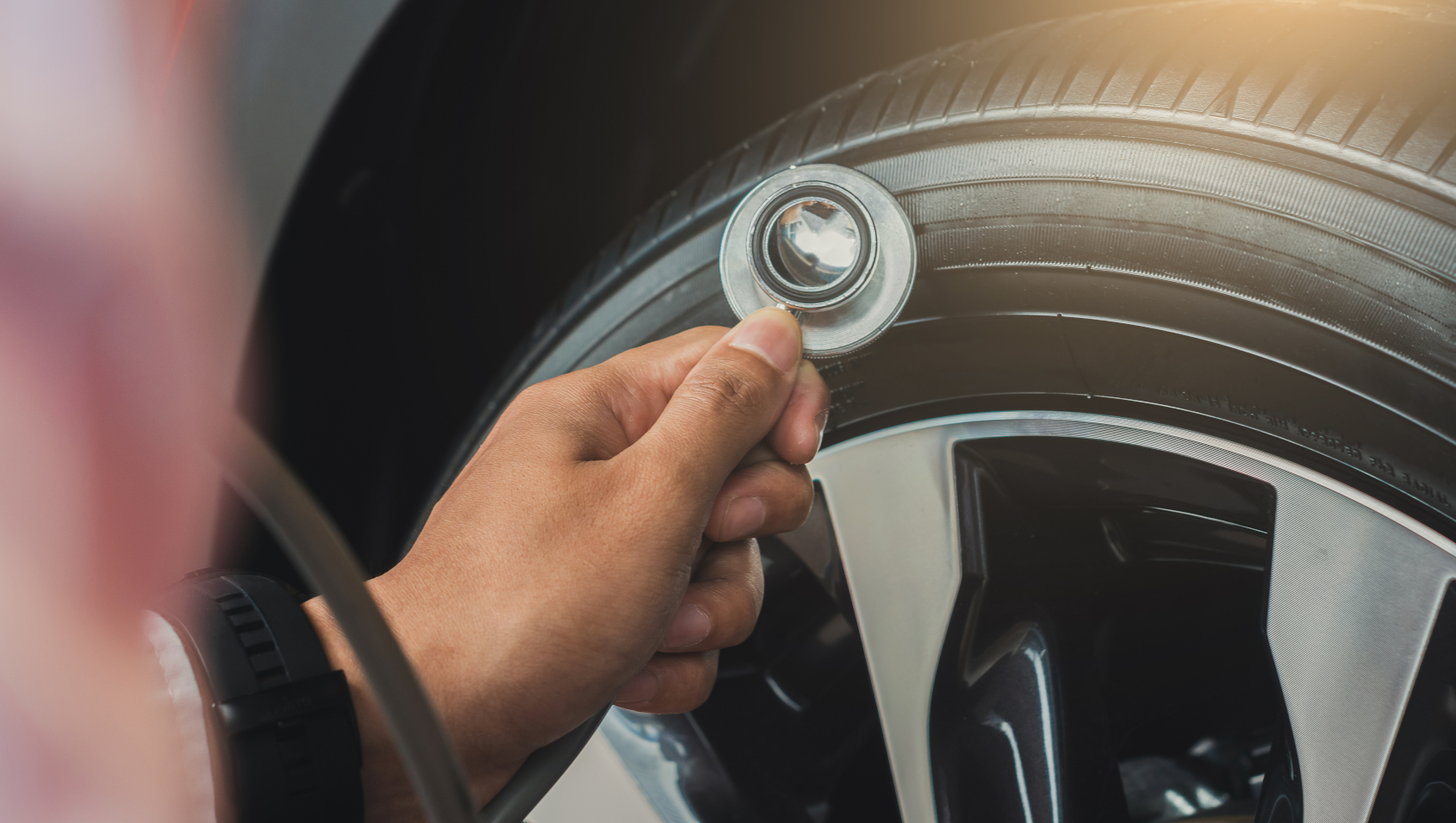
Every service bay in your dealership is a hospital bed. Every technician is a surgeon. And every vehicle that rolls through your drive is a patient. The diagnostics, the fluid flushes, the brake jobs, that is the medicine.
The fundamental economic reality of a fixed-ops department is identical to that of a healthcare facility: You cannot treat a patient who isn’t in the building.
Here is where the metaphor gets tricky, and where most dealerships fail. Unlike human patients, who will drag themselves to the ER if the pain is bad enough, a vehicle owner will procrastinate. They will ignore that check engine light. They will delay that 30,000-mile service.
Why? Because for decades, the automotive “hospital” experience has been miserable.
Subscribe to Auto Remarketing to stay informed and stay ahead.
By subscribing, you agree to receive communications from Auto Remarketing and our partners in accordance with our Privacy Policy. We may share your information with select partners and sponsors who may contact you about their products and services. You may unsubscribe at any time.
Imagine a hospital where you have to check yourself in, wait in a plastic chair for three hours, drink stale coffee, and then fight traffic to get home. That is the “Bad Hospital” model. It is the dealership that treats customers like transactions rather than guests.
If you run a Bad Hospital, your beds will stay empty. Customers will go to the “urgent care” down the street (independent shops) or simply let the patient get sicker.
To fill those beds, you must remove the friction in the admissions process. In the medical world, when a patient cannot reach the hospital, an ambulance is sent.
In the automotive world, pickup and delivery (PDEL) is your ambulance fleet.
PDEL is not just a “perk” or a marketing gimmick, it is a critical logistics infrastructure. It creates a direct pipeline between the sick patient (the car in the driveway) and the surgeon (your tech).
When you offer white-glove PDEL, you are telling the customer: “You don’t need to disrupt your life to heal your vehicle. We will come to you.” You are removing the single biggest barrier to entry: inconvenience. If you aren’t running “ambulances,” you are relying on the customer’s sheer willpower to drive to you. That is a losing strategy in an on-demand economy.
Ultimately, you have a choice to make about the identity of your facility.
Are you going to be the sterile, cold institution where people dread going? The place with the flickering fluorescent lights and the “take a number” mentality?
Or are you going to be the Mayo Clinic of Metal?
The “White Glove” dealership treats the service lane like a concierge medical practice. They diagnose the issue via video (telehealth), dispatch the ambulance (PDEL) to retrieve the patient, and return the vehicle cleaned and ready for service.
Your lifts are your beds. Your inventory is time. Even with hospital much better funded than service departments, this parallel still holds true. If you want to keep your hospital full and your surgeons busy, stop waiting for walk-ins. Send out the ambulances.
Clint Curtis is the CEO of Zapmoto, the leader in providing valet pickup and delivery of vehicles for servicing at automotive dealerships.