FTC to send 97 dealer groups warning letters about advertising & pricing practices
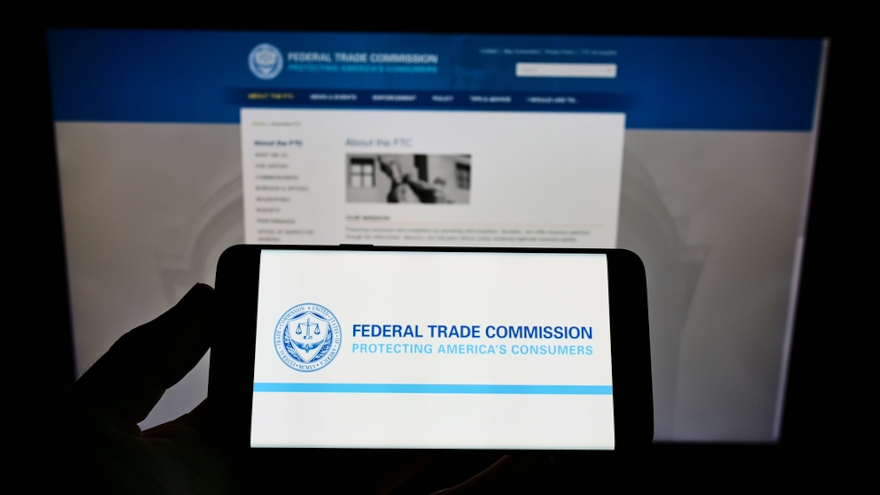
Image by Wirestock Creators / Shutterstock.com
By subscribing, you agree to receive communications from Auto Remarketing and our partners in accordance with our Privacy Policy. We may share your information with select partners and sponsors who may contact you about their products and services. You may unsubscribe at any time.
Nearly 100 dealer groups are about to experience a delivery they likely don’t want.
The Federal Trade Commission said on Friday that it is sending letters to 97 auto groups nationwide, warning them that the prices they advertise must be the total price — including all mandatory fees — that consumers will be required to pay.
The National Automobile Dealers Association responded soon afterward, saying, “While the overwhelming majority of America’s 17,000+ dealers service their customers in a consumer friendly and compliant manner, NADA takes any potential advertising violations in the marketplace very seriously. We will continue to work with the FTC to address areas of concern.”
The National Independent Automobile Dealers Association also was quick to comment, adding, “If your dealership received one of these letters, NIADA strongly encourages you to review it carefully and take immediate steps to ensure that your advertising and pricing practices comply with the law. It is also a good reason to conduct a full audit of your entire compliance program and update any other areas that could be problematic.”
Similarly, the FTC said its letters encourage dealers to review their advertising and pricing practices, including ensuring advertised prices include all fees consumers will be required to pay when buying a vehicle.
At a minimum, officials explained this recommendation includes evaluating advertised prices to ensure they match actual prices charged to consumers.
Subscribe to Auto Remarketing to stay informed and stay ahead.
By subscribing, you agree to receive communications from Auto Remarketing and our partners in accordance with our Privacy Policy. We may share your information with select partners and sponsors who may contact you about their products and services. You may unsubscribe at any time.
According to the letter, the FTC will continue to monitor the marketplace and will take additional action as warranted to ensure compliance with the FTC Act and other rules the regulator enforces.
The letter also notes several pending actions the FTC has brought to address deceptive pricing practices in the auto industry, including cases against Lindsay Chevrolet, Leader Automotive Group and Asbury Automotive Group.
“The Trump-Vance FTC is committed to preventing auto dealers from misleading consumers with low advertised prices and then adding on mandatory fees at the end of the purchasing process,” said Christopher Mufarrige, director of the FTC’s Bureau of Consumer Protection.
“The FTC will remain focused on monitoring auto dealerships to ensure that the market functions efficiently and competitors are transparently competing on price,” Mufarrige continued.
Prior to the issuance of these letters, NIADA said its staff spoke with FTC officials about the agency’s concerns.
“Those officials made clear that misleading or deceptive pricing practices by automobile dealers are unacceptable conduct,” NIADA said.
NIADA went on to caution dealers not to treat the FTC letter the same as some operators might treat promotional material from vendors or other shops looking to do business with the store.
“A warning letter is exactly what it sounds like: a notice from the FTC that a company’s conduct is likely unlawful and that failure to promptly correct the issue could lead to serious legal consequences, including a federal enforcement action,” NIADA said. “The commission has been clear that deceptive pricing practices will not be tolerated and that it intends to use the full range of its enforcement tools to address them.”
The FTC reiterated these letters are part of its ongoing work to ensure price transparency across multiple markets, including rental housing, ticketing and hotels, grocery and delivery services, and auto sales and leasing.
To help support affordability in the marketplace, the regulator said it is dedicated to ensuring that consumers only pay the advertised price for products and services, and are not subject to undisclosed fees, hidden charges or other illegal conduct.
The letters the FTC sent to the auto dealers cite several examples of illegal pricing practices in the auto industry including:
—Advertising a price that does not reflect all required fees
—Advertising a price that reflects rebates or discounts not available to all consumers
—Advertising a price that fails to take into account the amount of an additional required down payment
—Conditioning the advertised price on consumers using dealer financing
—Requiring consumers to buy additional items not reflected in the advertised price
—Advertising unavailable or non-existent vehicles.
“Compliance is not just a legal obligation; it is also an important way to build and maintain trust with your customers,” NIADA said, mentioning that compliance education is going to be a significant part of the training curriculum during its annual convention, which begins on June 21 in Denver.
“Our goal is to support your dealership and help position you for long-term success,” NIADA added.