COMMENTARY: Auto transportation costs are changing the economics of vehicle acquisition
By subscribing, you agree to receive communications from Auto Remarketing and our partners in accordance with our Privacy Policy. We may share your information with select partners and sponsors who may contact you about their products and services. You may unsubscribe at any time.
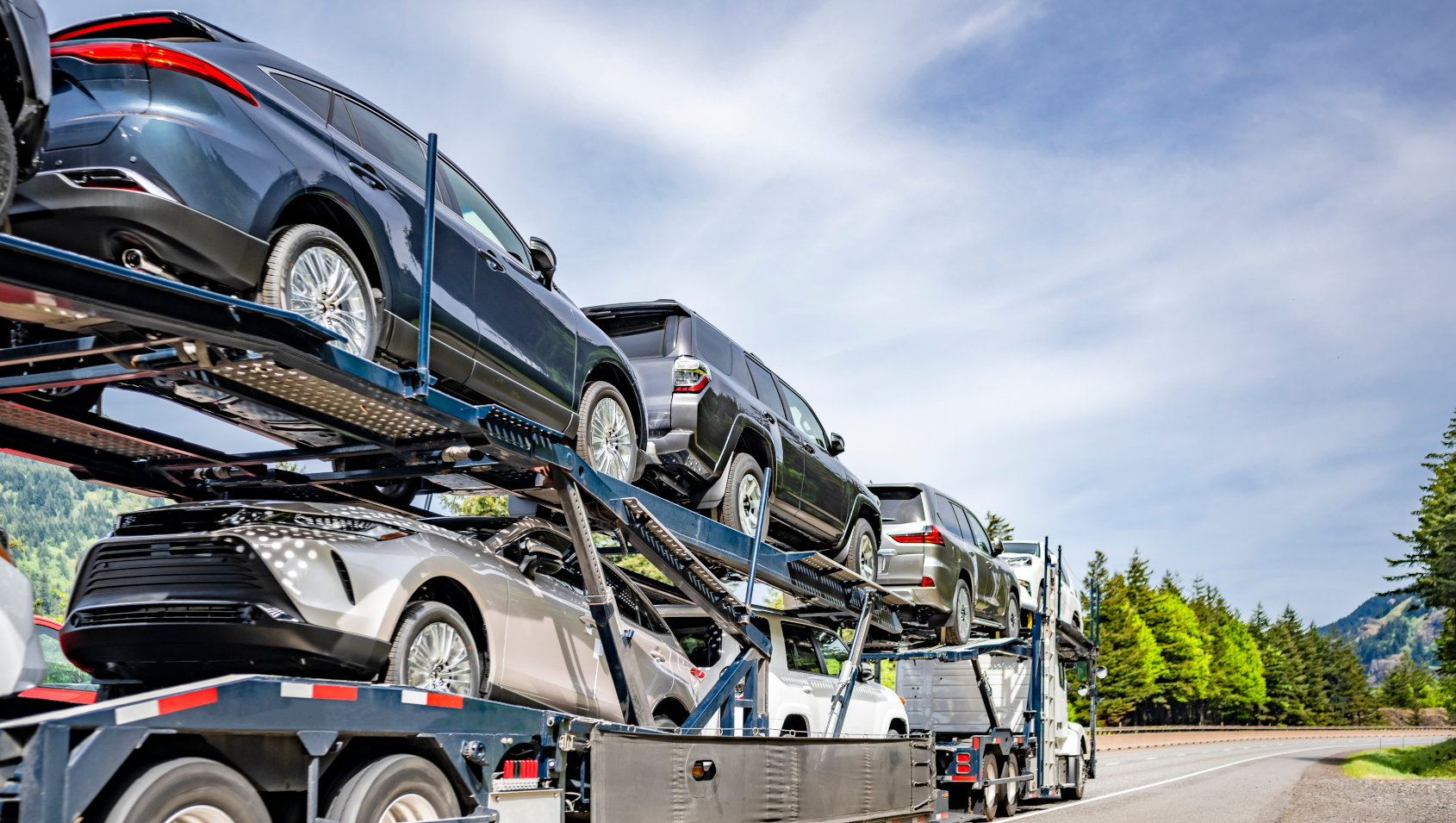
A vehicle can look like a great buy at auction until a dealership factors in what it will cost to get it to the lot.
Transportation has always been part of the cost of acquiring inventory for a dealership. But these days, it’s a whole new ballgame. With diesel prices shifting, carrier availability changing and transportation costs varying by route, the expense of getting vehicles from Point A to Point B is becoming harder to predict. The result?
The price a dealer pays for a vehicle doesn’t always tell the full story of what that vehicle will ultimately cost.
A vehicle with an attractive purchase price can become a much less attractive acquisition once transportation costs are factored in. This is why dealers need to look at the cost of moving a vehicle at the same time they’re deciding whether to buy it. Here’s what else to consider:
Transportation is becoming part of the acquisition equation
For starters, auto transport carriers adjust their rates as diesel costs ebb and flow. That leaves dealers having to pay more to move their vehicles. This puts added pressure on per-unit margins and, in some cases, requires increases to retail pricing for consumers.
Subscribe to Auto Remarketing to stay informed and stay ahead.
By subscribing, you agree to receive communications from Auto Remarketing and our partners in accordance with our Privacy Policy. We may share your information with select partners and sponsors who may contact you about their products and services. You may unsubscribe at any time.
Dealers need to rethink where transportation fits into the acquisition process. Because while transportation to a dealership used to be a relatively predictable operational expense, it’s now become an unpredictable factor in determining which vehicles make financial sense to acquire.
Think of it like this: a used vehicle can look profitable when purchased at auction, but become less attractive once transportation is booked. A lower purchase price doesn’t necessarily mean a better acquisition if the vehicle is significantly more expensive to transport.
Fuel costs are changing carrier behavior
Fuel is one of the largest and most immediate operating expenses for carriers. When diesel prices rise sharply, margins get squeezed, especially on longer or less efficient routes. With costs continuing to shift, carriers are left reacting fast to evaluate loads.
In some lanes, dealers are finding that pricing from even a few weeks ago no longer gets a vehicle moved. Lower-margin hauls and inefficient routes are being deprioritized, while vehicles located in remote pickup areas increasingly require premium pricing to move promptly.
Dealers are getting caught off guard by transport volatility
Auto dealers still treating transportation as a fairly fixed operational cost are sorely mistaken. And that assumption becomes more and more risky as fuel prices move and carriers adjust rates in real time.
Timing matters too. Waiting even a couple of days to lock in transportation can change the math, especially if diesel prices climb again or carrier availability tightens.
Transport volatility could slow inventory movement
As carriers prioritize more efficient routes and higher-margin loads, some vehicles are taking longer to move, especially those located farther from major transport corridors. In some cases, this means dealers are having to pay more just to keep their inventory moving on schedule.
That can create a ripple effect across a dealer’s operations, from longer vehicle turn times to added pressure on acquisition teams to source inventory closer to home. For dealers used to sourcing vehicles across wider geographic areas, transportation costs are changing the economics of long-distance purchases.
How dealers can respond to continued auto transport volatility
Dealers have no say in diesel fuel prices or carrier availability, but they can control when transportation enters the acquisition decision. By factoring current transportation costs into sourcing and purchasing decisions earlier, dealers can get a clearer picture of which vehicles are actually worth acquiring.
Here are several practical steps they can take:
- Track fuel and transport costs. This will give a better sense of how quickly costs are changing in real time, and how those changes affect vehicle profitability.
- Refresh transport pricing daily. Transportation quotes are now time-sensitive inputs, particularly during periods of fuel volatility. This means checking daily before making any acquisition decisions.
- Build transport into acquisition decisions earlier. When assessing vehicle profitability, transportation costs need to be evaluated along with the purchase price and not after a deal is already committed.
- Book transport as soon as a vehicle is purchased. Booking transport right away gives dealers a better chance of locking in the cost they were expecting when they made the purchase.
- Prioritize shipments with multiple vehicles when possible. Moving several vehicles together can help spread transportation costs across multiple units. It can also reduce the impact of fuel price changes on any one vehicle.
- Take another look at how far you’re sourcing. A vehicle that looks like a good deal several states away may not be worth it once current transportation costs are added. If transport costs are eating into the margin, it may make more sense to source closer to the dealership.
Fuel costs will continue to move up and down, and carrier availability will continue to vary by market and route. While dealers can’t control those variables, they can change how transportation factors into their buying decisions.
Those that account for transportation costs earlier in the acquisition process will have a clearer picture of true vehicle profitability and be better positioned to protect margins and keep inventory moving, even as transportation costs remain unpredictable.
Matt Bradley is the CEO of Super Dispatch