February selling spree grows to 10 stores as Asbury continues ‘optimizing our footprint’
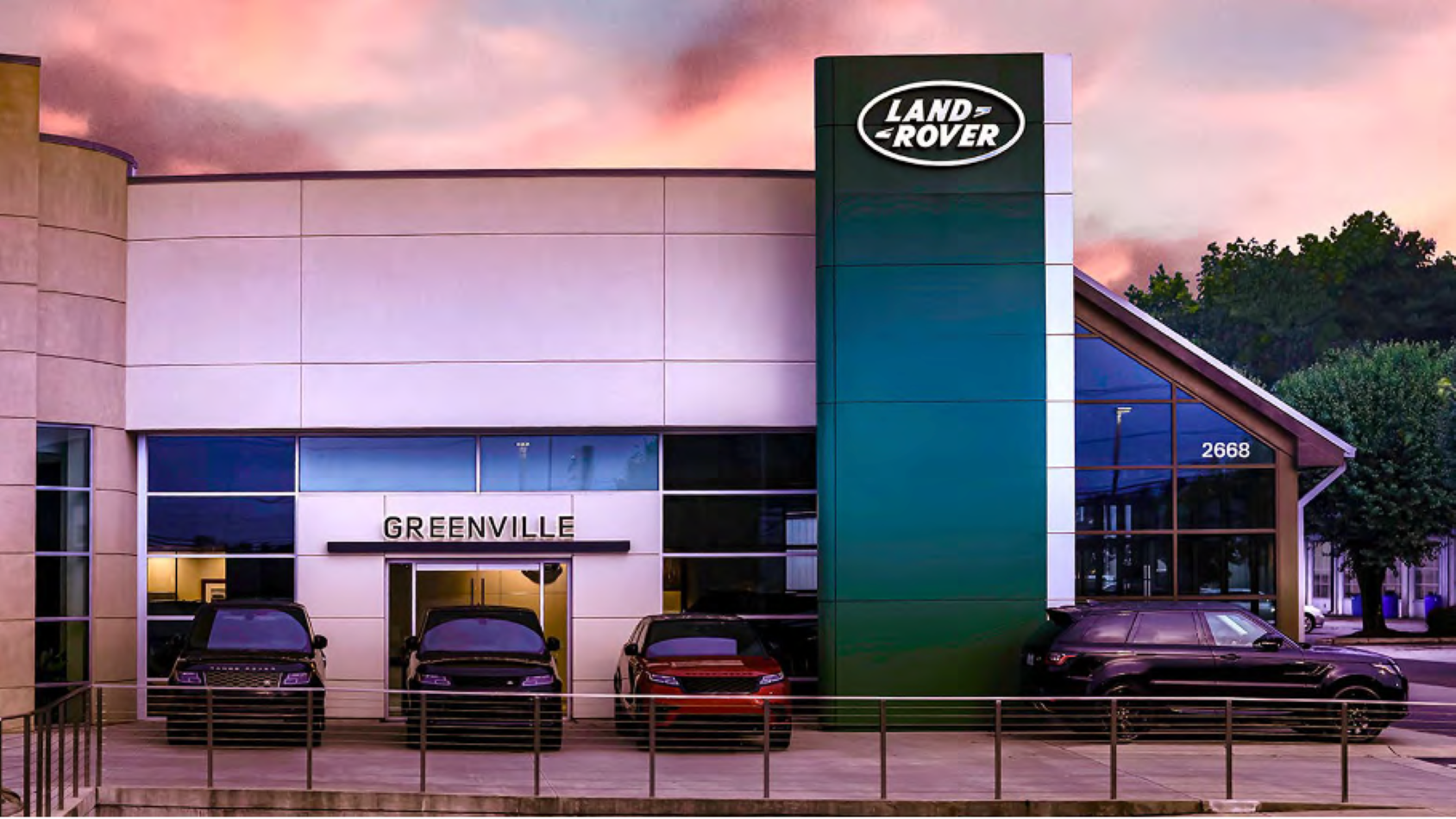
Land Rover of Greenville is one of three South Carolina dealerships sold by Asbury to RBM of Atlanta. Photo courtesy of the Presidio Group.
By subscribing, you agree to receive communications from Auto Remarketing and our partners in accordance with our Privacy Policy. We may share your information with select partners and sponsors who may contact you about their products and services. You may unsubscribe at any time.
Asbury Automotive Group’s drive toward “portfolio optimization” has shifted into high gear.
The Atlanta-based dealership group has already closed on the sales of 10 dealerships in 2026, all in February, which the company said are part of its ongoing capital allocation and portfolio optimization efforts.
The latest divestitures include six Plaza Motors locations in the St. Louis area, a dealership in Indiana and three stores in Greenville, S.C., to RBM of Atlanta, a transaction that was completed Monday.
Those sales netted Asbury about $210 million after mortgage payoffs for the real estate and estimated taxes, the company said in a news release. The annualized revenue from the 10 dealerships is estimated at $610 million.
The Greenville deal, announced by sell-side advisor The Presidio Group, included Porsche of Greenville, Land Rover Greenville and Crown Nissan of Greenville, and related real estate. Asbury continues to own Toyota of Greenville and a collision center in the market.
“As we advance our long‑term growth strategy, we are continually assessing where each store best fits within our overall portfolio,” Asbury president and CEO David Hult said. “While the decision to sell these stores was difficult, it reflects a thoughtful and disciplined approach to optimizing our footprint. We are confident RBM will support the continued success of these stores.”
Subscribe to Auto Remarketing to stay informed and stay ahead.
By subscribing, you agree to receive communications from Auto Remarketing and our partners in accordance with our Privacy Policy. We may share your information with select partners and sponsors who may contact you about their products and services. You may unsubscribe at any time.
For RBM, Presidio said, the acquisition represents its first venture away from its home market in Atlanta, where it operates five locations selling the Mercedes-Benz, Subaru and Infiniti brands.
“These dealerships are an excellent match for RBM’s long‑term growth strategy,” RBM president David Ellis said. “The Greenville market, so close to our home base, ideally complements our existing operations, as do the brands we are adding.”
Ellis and his sister, Casey Frames, are the third generation of the Ellis family to lead RBM. Frames said the move “reflects the shared vision” of the siblings for the company’s future.
“We were patient as we looked for the right opportunity to expand, and Greenville is the perfect fit for our family and company,” she said. “These stores give us the chance to grow with brands we believe in and in a market that aligns with our culture and customer‑focused approach.”
Asbury’s motivation to sell is tied to a trend described by Presidio managing director Alex Watterson in November during a dealership M&A panel session at Used Car Week 2025 in Las Vegas.
“Going back to COVID, there were a lot of buyers who believed the earnings were going to last forever,” he said. “And it was a little bit of a gold rush — when we showed people deals, ‘I’ll take it, no matter what it is, where it is.’ Now when they’re re-evaluating the portfolio, they’re saying, ‘This maybe doesn’t fit into the long-term plans. I can redeploy this capital elsewhere.’”
Asbury was perhaps the biggest buyer in the COVID era, acquiring Larry H. Miller Dealerships’ 61 stores and F&I provider Total Care Auto for a reported $3.2 billion in September 2021. Over the past year it has sold 19 stores, including nine Larry H. Miller locations. It has also added 33 with the acquisition of The Herb Chambers Companies last summer.
Asbury currently operates 161 dealership locations in 12 states.
“This is another example of disciplined portfolio management for this growing public dealership group,” Watterson said following Asbury’s latest sales. “Presidio continues to see operators reassess how they deploy capital across markets and brands, with transactions like this allowing sellers to sharpen their focus while creating attractive growth plays for proven operators.”
In addition to its divestitures, Asbury announced its board of directors approved an increase in the authorization of its share repurchase plan of $424 million, raising its total availability to repurchase shares of common stock under the program to $500 million.
So far this year, the company has spent $100 million to repurchase 441,000 shares.
“The sale of these stores was the right decision for Asbury to ensure capital is being used for its highest return to shareholders,” Hult said. “The proceeds are expected to be invested in the company to accelerate reduction of leverage ratio to below 3.0x and continue deploying capital to share repurchases.
“Additionally, the increased share authorization emphasizes our commitment to our shareholders and gives us confidence in the execution of our strategy and the outlook for our business.”