
3 parts of STAR Member Toolset of AI-powered applications
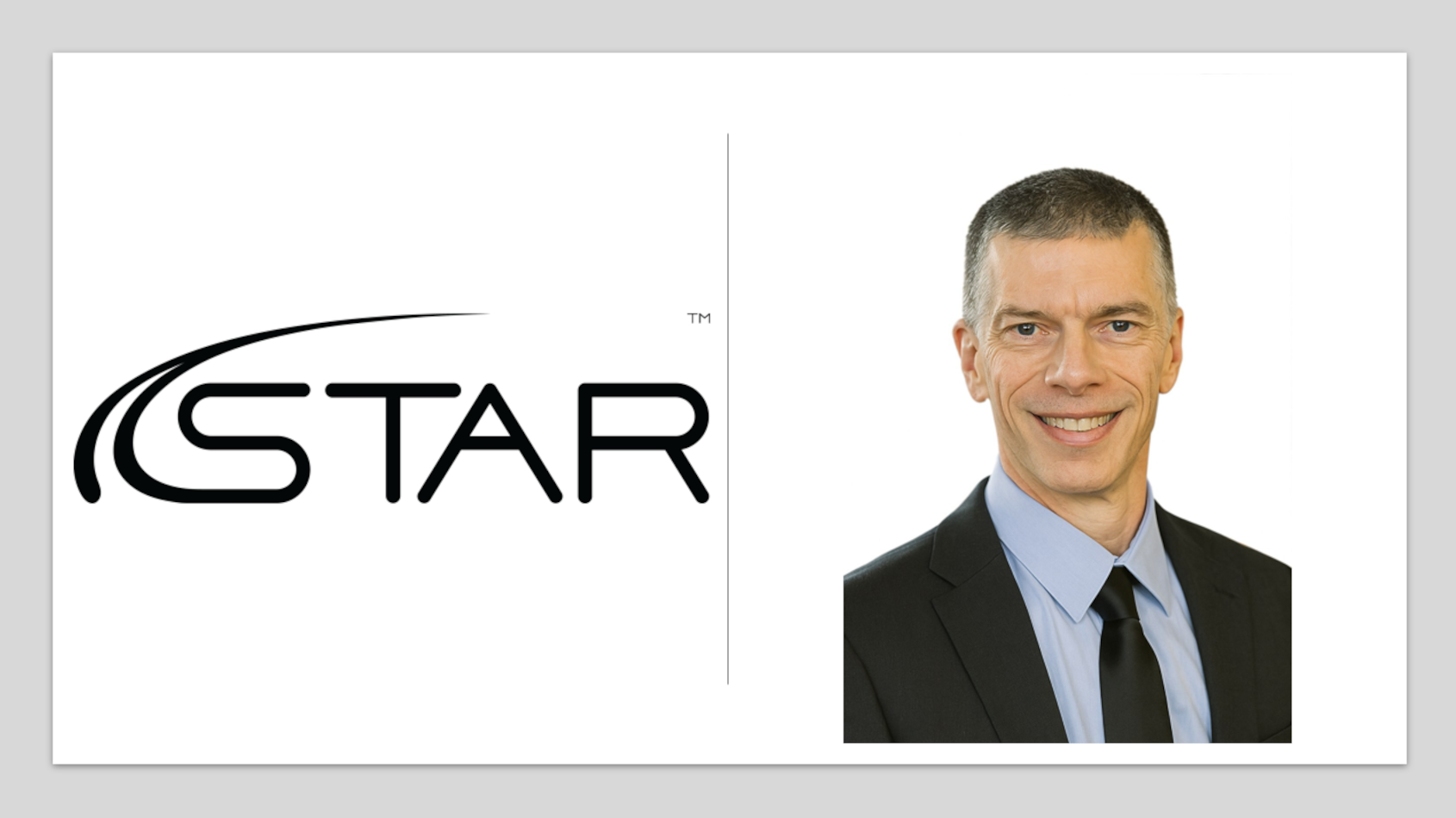
Steve Zadoorian is the executive director of The Standards for Technology in Automotive Retail (STAR). Images courtesy of the organization.
By subscribing, you agree to receive communications from Auto Remarketing and our partners in accordance with our Privacy Policy. We may share your information with select partners and sponsors who may contact you about their products and services. You may unsubscribe at any time.
If dealers have some free moments this Fourth of July weekend, perhaps they can spend some time with the new solutions the Standards for Technology in Automotive Retail (STAR) rolled out on Monday.
The nonprofit organization whose members include dealers, OEMs, retail system providers, and automotive-related industry organizations announced the launch of the STAR Member Toolset, a suite of AI-powered applications designed to simplify implementation of STAR’s Automotive Retail Domain Model and accelerate adoption of modern API-based integrations across the automotive retail ecosystem.
As STAR continues to modernize automotive retail interoperability, the Member Toolset can provide practical capabilities that support every stage of the implementation journey. That includes understanding standards and exploring business processes to validating implementations and building production-ready APIs.
Currently in Beta and built specifically for STAR’s member organizations, the toolset provides intelligent access to the STAR Domain Model, automated standards validation, and streamlined API design capabilities that help organizations reduce development effort, improve consistency, and accelerate time to market.
The Member Toolset currently consists of three integrated products:
STAR API Intelligence
Subscribe to Auto Remarketing to stay informed and stay ahead.
By subscribing, you agree to receive communications from Auto Remarketing and our partners in accordance with our Privacy Policy. We may share your information with select partners and sponsors who may contact you about their products and services. You may unsubscribe at any time.
STAR API Intelligence serves as an AI-powered knowledge assistant for the STAR Automotive Retail Domain Model. The platform can index the entire STAR Automotive Retail Domain Model, including 63 APIs, over 160 use cases, more than 800 operations, and a growing library of schemas, business entities, and integration patterns.
Using natural language queries, developers, architects, business analysts, and product teams can explore real-time domain concepts, API operations, payload structures, schema relationships, and cross-domain workflows.
Responses are tailored to the needs of multiple user personas, from business executives to data architects, helping both technical and non-technical users understand and implement STAR’s standards more effectively.
STAR API Validator
The STAR API Validator can help automotive organizations rapidly assess conformance to STAR’s standards by validating OpenAPI specifications and JSON payloads such as naming conventions, design patterns, and implementation requirements.
The validator can perform more than 590 automated validation checks and includes an Auto-Fix capability that automatically corrects common issues, reducing manual review efforts while improving consistency and standards alignment.
Updated files are available for download after corrections are applied.
STAR API Builder
The STAR API Builder can allow organizations to create customized implementation API specifications from larger STAR domain definitions. Users can select the operations required for their business use cases, while the platform automatically resolves dependencies, validates schema relationships, and generates a clean, streamlined OpenAPI specification ready for implementation.
The organization explained this capability can enable organizations to accelerate development efforts while reducing complexity and maintaining alignment with STAR standards.
Executive director Steve Zadoorian highlighted the STAR Member Toolset reflects STAR’s ongoing commitment to helping members modernize integrations, transition from legacy XML implementations to modern REST/JSON architectures and prepare for the next generation of AI-enabled interoperability.
Zadoorian mentioned these applications share a common authentication framework and are available to STAR members through dedicated STAR-hosted environments.
“The STAR Member Toolset represents a significant step forward in making our standards more accessible, actionable, and easier to implement,” Zadoorian said in a news release. “Whether you are a developer integrating systems, an architect designing enterprise services, or a business analyst seeking to understand a workflow, these tools provide immediate access to trusted information grounded in the STAR Domain Model.
“Our goal is to reduce implementation friction, improve interoperability, and help our members realize value from standards more quickly,” he continued.
Zadoorian pointed out additional tools will be added to the Member Toolset as STAR continues to expand the Automotive Retail Domain Model.
He said future enhancements will support additional business domains, including vehicle sales, vehicle delivery reporting, and emerging AI interoperability initiatives.
For more information about STAR’s membership options and the STAR Member Toolset, visit STAR at www.starstandard.org, or contact STAR at [email protected].