
Corpay settles with FTC for $100M over 7-year-old allegations related to fuel cards for fleets
By subscribing, you agree to receive communications from Auto Remarketing and our partners in accordance with our Privacy Policy. We may share your information with select partners and sponsors who may contact you about their products and services. You may unsubscribe at any time.
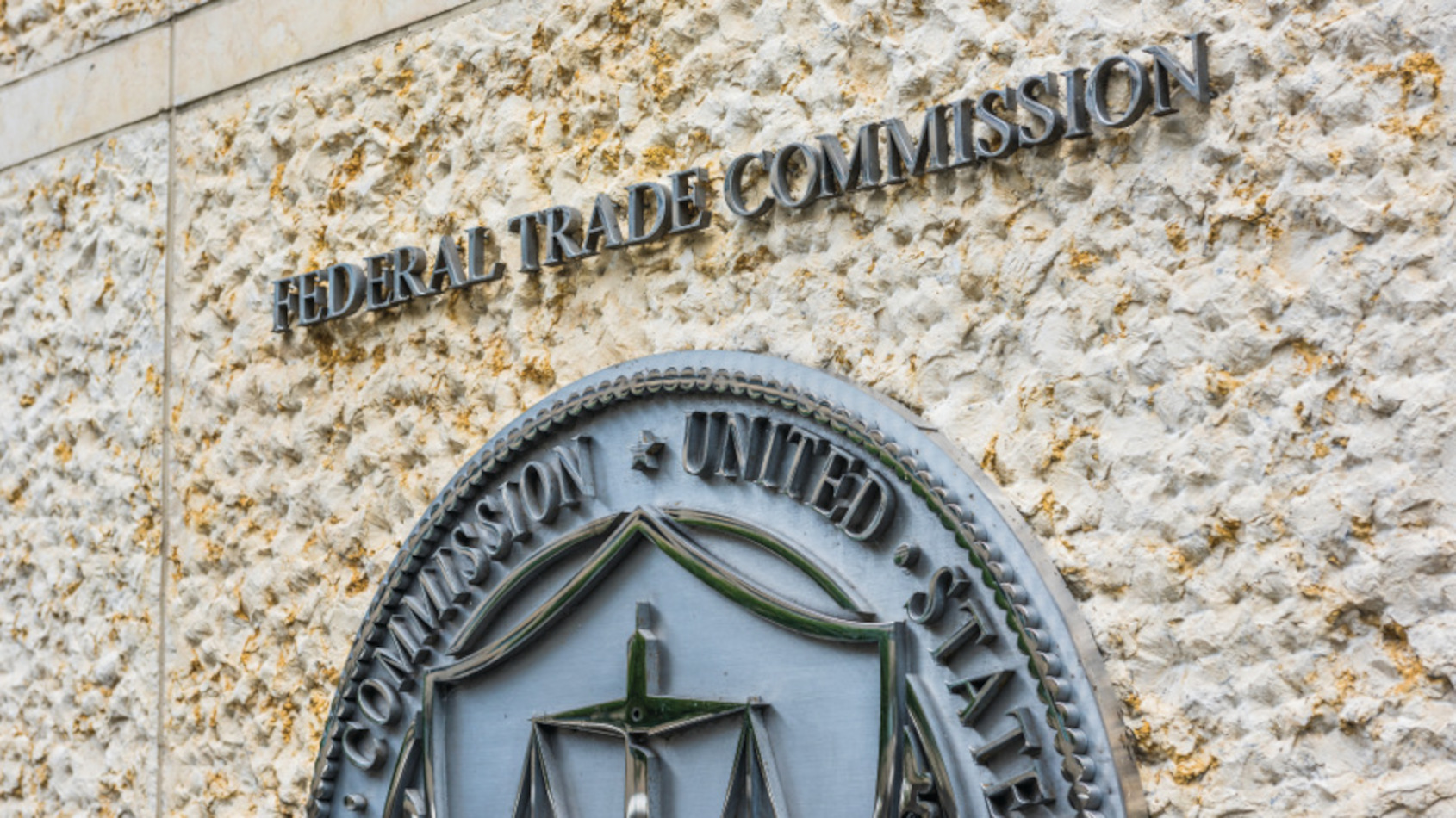
Corpay has reached a proposed settlement with the Federal Trade Commission to resolve previously disclosed allegations from a complaint first filed in federal court in 2019 about marketing and disclosure practices associated with fuel cards for fleets.
Under the proposed settlement, Corpay will pay $100 million to the FTC. According to a company news release, CEO Ron Clark is not subject to any financial payment as part of this settlement.
Corpay added that the proposed settlement will resolve the FTC matter without any admission of wrongdoing.
In that complaint, the FTC alleged that FleetCor Technologies, now known as Corpay, and Clarke imposed “a broad array of unauthorized fees that its customers never knew about and did not agree to pay, totaling hundreds of millions of dollars and harming tens of thousands of customers.”
Through its own news release, the FTC said FleetCor charged late fees to customers who had either paid on time or were prevented by FleetCor from paying on time. Officials also alleged that FleetCor misrepresented the gas savings, fraud-control features, and fees associated with its fuel cards.
According to the complaint, FleetCor often waited to begin charging many fees until several billing cycles passed, making the fees less noticeable to consumers.
Subscribe to Auto Remarketing to stay informed and stay ahead.
By subscribing, you agree to receive communications from Auto Remarketing and our partners in accordance with our Privacy Policy. We may share your information with select partners and sponsors who may contact you about their products and services. You may unsubscribe at any time.
The complaint also alleged that FleetCor’s invoices did not disclose that any fees were being charged, requiring customers to proactively view other account management reports. Even on those documents, many fees were obscured among other information or not listed at all, according to the FTC.
In 2023, a federal district court entered summary judgment for the FTC on all counts, finding that FleetCor had charged its customers hidden or otherwise unauthorized fees and misrepresented the gas savings and fees associated with FleetCor’s fuel cards.
The court-imposed order permanently prohibited FleetCor from:
—Billing a customer for any charge unless FleetCor has obtained the customer’s express informed consent and provided clear and unavoidable information about the charge
—Hiding material information about a charge behind a hyperlink
—Making deceptive claims about its fuel cards.
Earlier this year, a federal appeals court upheld the summary judgment against FleetCor on all counts and affirmed the permanent injunction against it.
The court also affirmed the judgment against Clarke on all but one count and vacated the injunction.
As part of the settlement order with the FTC, officials said FleetCor and Clarke will pay $100 million, which will be used to provide redress to the company’s business customers harmed by its practices.
Officials said FleetCor and Clarke have also agreed not to oppose reimposition of a federal court injunction against Clarke.
“FleetCor deceived its small business customers by promising fuel savings that never materialized, while unfairly charging them hidden and unauthorized fees,” said Christopher Mufarrige, director of the FTC’s Bureau of Consumer Protection. “In addition to the relief the FTC has obtained in federal court, this order will help return money to the customers the company took advantage of.”
The June 8, 2023 order entered in this matter by the United States District Court for the Northern District of Georgia remains in place, according to Corpay.
Through its news release, Corpay said it has taken steps over the past several years to enhance customer communications, compliance oversight, and internal controls, including actions implemented before and after the June 8, 2023 order.
The company added that it does not expect the proposed settlement to have a material impact on its ongoing operations or financial results.
“We are pleased to resolve this matter and move forward,” Clarke said. “Corpay is committed to transparent customer disclosures, consent-based practices, and strong compliance controls across our U.S. vehicle payments business.”