COMMENTARY: Upstream vs. downstream auctions & why it’s not one-size-fits-all
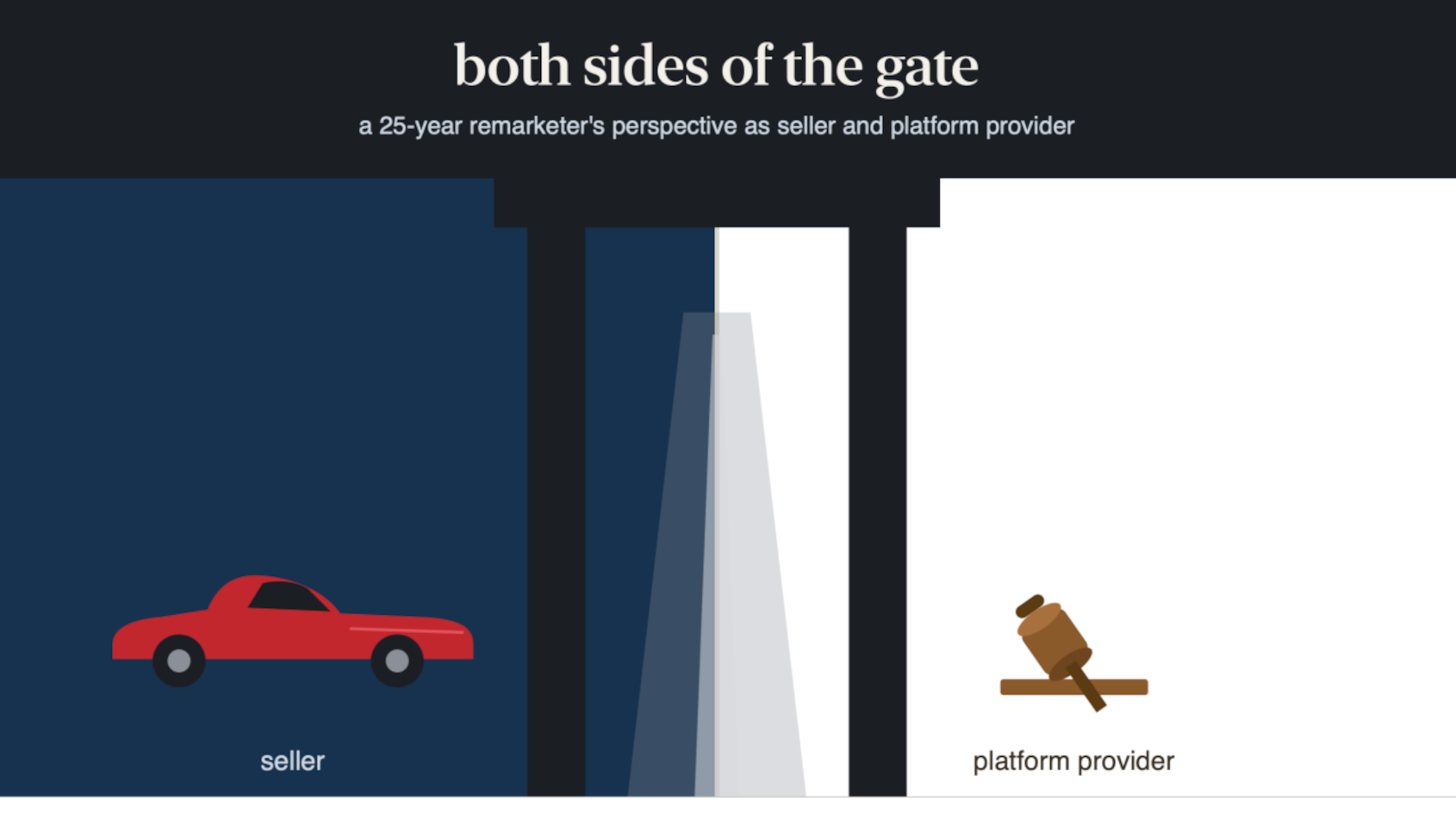
Image courtesy of Jason Herman.
By subscribing, you agree to receive communications from Auto Remarketing and our partners in accordance with our Privacy Policy. We may share your information with select partners and sponsors who may contact you about their products and services. You may unsubscribe at any time.
Back in 2005, my team and I at U.S. Bank were early adopters of upstream sales, starting with the Bank Vehicle Exchange (later folded into Manheim’s OVE). We went on to sell off-lease vehicles upstream across SmartAuction, ACV, OVE, and OPENLANE — it was a game-changing offering for our off-lease product.
Since leaving my role at an auction company that offered both upstream and downstream options, a few people have asked whether my views on the two have changed. For this article, let’s define upstream as vehicles sold before they cross the physical auction gate, and downstream as vehicles that have entered a physical auction.
Working firsthand at a company that provided both physical and digital, upstream and downstream options gave me a new perspective — and if anything, it hardened a belief I already held: there’s a place for both channels in remarketing. It’s not one-size-fits-all. The best remarketers get granular with their portfolios and use analytics to navigate the strengths and weaknesses of each channel to maximize net results. There’s a lot of room for improvement here.
As a lover of analogies (goofy as they sometimes are): remember Saturday morning cereal commercials that ended with “part of a complete breakfast,” showing a spread of other foods meant to round it out? I look at upstream remarketing the same way — one part of the bigger remarketing offering, like cereal is one part of breakfast. A tasty one, but not the whole meal.
At the end of the day, remarketing success comes down to net proceeds. Relationships and service matter, but if you’re selling vehicles for your own institution or for a client, your responsibility is to return the highest net value above all else.
One thing that’s become even clearer to me in recent years: the right buyers for your product matter more than almost anything else — what exposure you have to them, at the right times, through the right channels. The buyer-base match to the product is often more important than the channel itself, and the size of the auction isn’t always the biggest determining factor.
Subscribe to Auto Remarketing to stay informed and stay ahead.
By subscribing, you agree to receive communications from Auto Remarketing and our partners in accordance with our Privacy Policy. We may share your information with select partners and sponsors who may contact you about their products and services. You may unsubscribe at any time.
Early in the digital remarketing era, I thought the best outcome for sellers (and probably buyers too) would be a single combined platform for digital selling. I knew even then I was dreaming — that’s not how business works in America, and competition has its benefits. But having multiple digital platforms rather than one central marketplace meant often both buyers and sellers missed out on the best returns and the best vehicle matches.
That gap led to multi-platform simultaneous offerings, which solved some of those problems but introduced its own shortcomings — ones I saw firsthand as both a remarketer and from the auction side. That’s why it isn’t widely used today.
What we largely have now in the upstream world is a fragmented landscape: multiple digital offerings from multiple auction companies. As a dealer, it’s hard to know where to find the inventory you need, when you need it. As a seller, it’s hard to know which channels have the right dealers with demand for your product. And this is often a moving target as the market ebbs and flows.
Tools like vAuto, ACV MAX, and others help bridge that gap by letting dealers search across platforms for vehicles matching their preferences. But it’s still difficult to be everywhere at once and ensure full exposure. These are often pricey services, and a lot of independent dealers simply can’t afford them — which quietly tilts access toward bigger players.
Add in inconsistent inspection-report quality across platforms and pricing that can run too high with many upstream sellers, and the picture gets murkier still. Large sellers face their own version of the problem: they’re often reliant on internal analytics that aren’t yet sophisticated enough to predict the optimum channel for a given vehicle — a gap I think about a lot, and one I’ll come back to in a future article.
So, here’s my point: the success of an upstream program relies on the same fundamentals as a successful downstream physical auction. You need to capture the right dealer interest for the right critical mass of vehicles, create urgency to buy within a short window, ensure dealers know about the offering, price inventory competitively for a high sell-through rate, and have at least two interested dealers to maximize returns.
That said, while digital buyers as a percentage of upstream and downstream auction sales have led the way in many places since the pandemic, a large share of vehicles are still bought in the physical lane by in-person buyers.
Upstream digital comes with its own challenges. It leans heavily on condition-report quality to generate and sustain interest (not all CRs are created equal — more on that in a later article). Payment options are fewer, operational quirks are unique, sell-through rates typically run lower, and there’s less urgency than an in-lane live sale. Long digital sale windows can chase buyers away, and buy-it-now prices can hurt sellers on desirable vehicles.
And some buyers still want to touch the metal and grab a free t-shirt and hot dog — I still hear it, even from buyers who enjoyed shopping in their pajamas during the pandemic.
The fundamentals haven’t changed. There are still times and places where digital upstream remarketing will give you the best net returns possible, and it can be a game changer.
So, the question becomes: where — and how — is upstream most appropriate for commercial sellers looking to maximize returns? Are there still untapped opportunities in today’s marketplace? And just as important, where is it less appropriate, and why?
Check back next week for that discussion.
This column was originally posted here.
About the author:
I’m a 25+ year veteran of the remarketing and automotive finance world, and an avid car enthusiast. Over that career, I’ve managed bank and fleet lease-end operations, 1st- and 3rd-party remarketing, residual value setting and risk mitigation, and the sale of well over 1 million off-lease and repossessed vehicles. I enjoy sharing that experience with others in the industry — whether they’re new to automotive finance or seasoned veterans — as well as helping everyday consumers buy or sell vehicles with more confidence.
I’m actively seeking full-time opportunities in this space, and I’m also open to consulting engagements, including remarketing portfolio and strategy reviews. Reach out — I’d welcome the conversation.