About a month after its launch, Automotive Reinsurance Concepts added more resources to Independent Dealer University (IDU), a subscription-based online education platform designed to put “next-level” training easily within reach of independent retail dealerships of all sizes.
Now available is Tusker Tracks, IDU’s free online publication that features content from industry experts covering all areas of the dealership and its operations, from sales to F&I to fixed ops to marketing and much more.
Tusker Tracks offers information, ideas, techniques and strategies that give independent dealers tools to help raise their business to a higher level and succeed in the used-vehicle market. The publication will be continually updated with new content to provide dealers with fresh and timely information.
Tusker Tracks takes its name from Independent Dealer University’s mascot, the Tuskers.
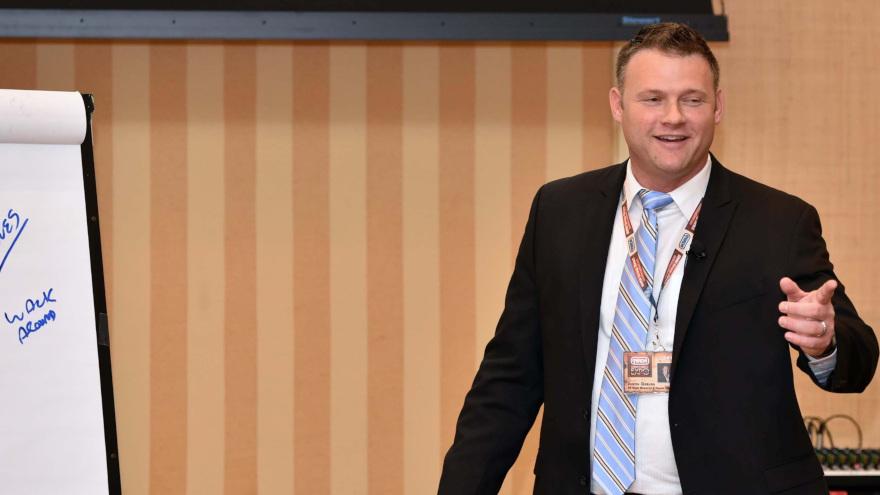
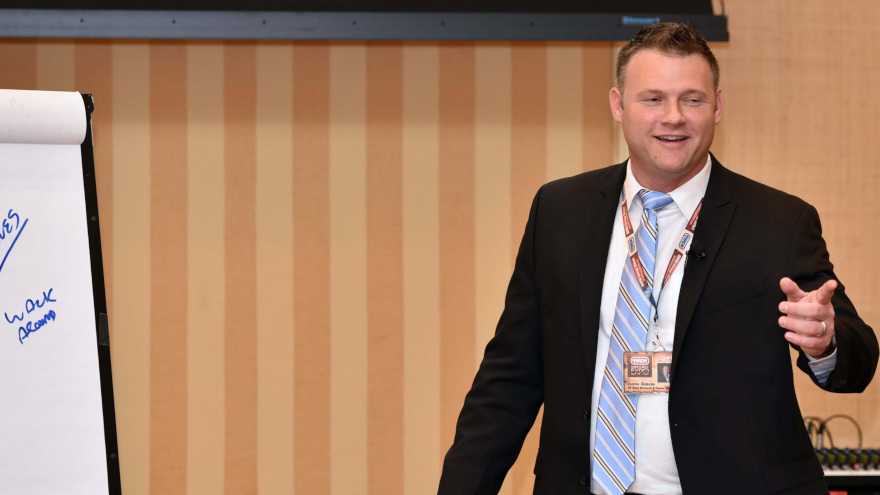
“Tusker Tracks is the independent auto dealer’s source for top quality educational and informational content,” said IDU founder and CEO Justin Osburn, one of the many content contributors who share their expertise on the platform.
“We have a passion for educating independent dealers, and this free resource is one more way we can help them get where they want to go,” Osburn continued in a news release.
IDU provides independent dealers with higher education at a low cost. The subscription-based online education platform is designed to put next-level training easily within reach of independent dealerships of all sizes, offering a full curriculum of on-demand interactive video lessons for the entire dealership staff.
For more information or to subscribe, visit idutuskers.com.
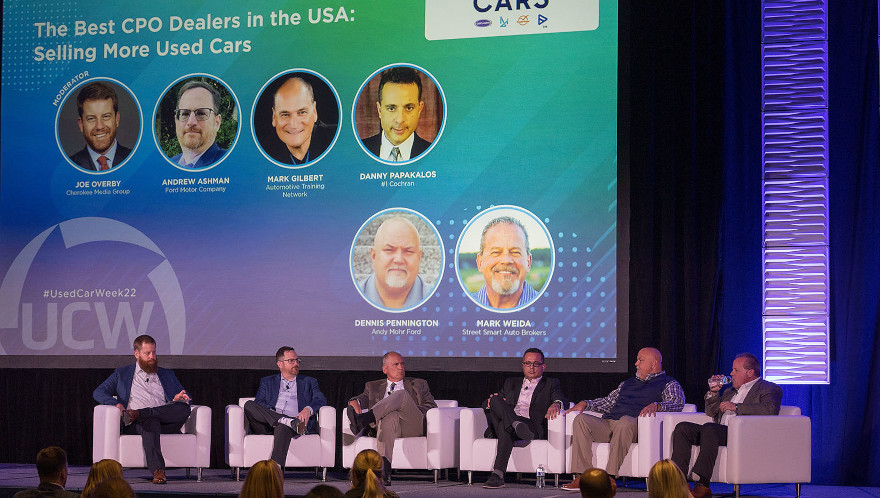
In this special episode of the Auto Remarketing Podcast, we feature "The Best CPO Dealers in the USA: Selling More Used Cars" panel discussion from Used Car Week.
This panel delves into top used-car strategies from the dealer, automaker and dealer trainer vantage point, along with their takes on the most pressing and current trends in retail automotive.
Stay tuned for more podcasts from UCW panel discussions as they become available.
To listen to the conversation, click on the link available below.
Download and subscribe to the Auto Remarketing Podcast on iTunes.
It is a well-known philosophy for any business, but especially in retail, that what gets measured gets improved. However, due to the fast-paced nature of our business, a mistake that I see far too many used car sales operators make is not measuring enough.
Often, this dynamic leads to a situation whereby the store is managing the person, rather than the person managing the store. The most successful used car operators measure everything. This includes inventory statistics such as the number of days it takes to get a car through their shop, average front-end and back-end profits, and reconditioning expense per vehicle.
On the sales side, it includes measurements such as showroom walk-ins, test drives, number presentations, appraisals, manager introductions, closing percentages, and much more.
These dealers measure the customer’s journey from the moment they step on the parking lot and shake their hand, to the moment they drive off the lot in a vehicle — not a single step on the road to the sale is missed. It’s not just a matter of measurement for the store itself.
For best results, it is important to have a well-defined process and measure down to the individual contributor level when able. Have an ideal vision of what the customer experience should look like from the moment the customer is greeted on the lot to the moment they drive off in a new vehicle. Have all the points to the sale clearly defined, set high expectations for each stakeholder and measure execution. Keep it fun! Don’t hesitate to foster competition and make sure to keep score! In this highly competitive environment, these are some of the things that are sure to make your store stand apart from others.
Inventory: Get it presented fast
A used car’s profit window, assuming the vehicle was bought correctly, closes rapidly. The last year aside, if you leave a car unsold for too long, chances are you won't be happy with the result. Every day that a used vehicle stays in your inventory is crucial. The goal is to get the vehicle made ready for sale as quickly as possible and presented in a way that makes it stand out, both on your lot and online — and not necessarily in that order!
Ideally, the vehicle should be listed online before it is even put in the shop. If you have photos that you could use, great! If the car isn't ready for public exposure, no problem. Get that car listed online nonetheless so you can start attracting consumer eyeballs, taking inquiries, and collecting leads.
Consider offering a complimentary, basic inspection report to prospective buyers early in the process and allowing the customer to tell you what reconditioning they would be interested in and what they will pass on. This enables you to negotiate the car price and service work separately. It also allows the consumer to pay for what they value and save money on what they don't! If you take my advice, I suspect you will be pleasantly surprised by the number of people that will come in to see the vehicle in its current condition and drive it away before it has even made its way through your shop. It is a used car, after all, and your customer knows that!
Best-case scenario aside, you still need to get the vehicle reconditioned as soon as possible. Once the vehicle has gone through the shop and is fully reconditioned, you can replace the photos to make sure you are putting your best foot forward.
Key measurement metrics should include:
—How many people are viewing your inventory
—How long it takes to get a vehicle listed online
—How long it takes to get the vehicle into the shop
—Once a car makes it into the shop, how long does it take to recondition the vehicle?
—What is your average reconditioning expense?
—How long does it take to get a vehicle onto your front line?
Measure the performance of your vendors as well. To get your vehicles presented quickly, your vendors must flawlessly execute their part of the process. Analyze everything and everyone! How long does it take Joe the windshield guy to put in the windshield? How fast is the bumper spray guy? How about your technicians – are some faster than others? Do certain technicians tend to overprocess inventory? Or do they under process? Measure every little step, understanding that the goal is to get the vehicle listed online and presented as quickly and favorably as possible.
Know your inventory position
Always be aware of what your inventory is worth today. Some great tools in the market can help you see what the wholesale value of your inventory is compared to what you own the vehicles for. You can even take it a step further and see its value in your retail market. If you own inventory that costs more than what you can wholesale the vehicles for, you are underwater, which is a problem in the event you need to liquidate your inventory quickly. Likewise, if you own inventory for more than its worth in your retail market, then your store's chances at turning a profit are really at risk. It is important to stay on top of the market and your portfolio of investments (inventory) by evaluating how quickly things are selling and for what price. Not every vehicle you purchase will be a profitable investment. The key is to have the tools on hand so you KNOW and can act quickly and appropriately when an asset isn't performing.
If your inventory sells on average in thirty days, but those Corollas you have in stock sell on average in 60 days, you are either:
1. Over-supplied in that vehicle
2. Overpriced
3. There are too many similar vehicles in your market right now
4. It is just not a vehicle you sell well in your store. Either way, knowledge of market and store dynamics will help you make better inventory decisions to ensure you have the right vehicles on your lot.
The best way to make sure you maintain a favorable position in your inventory is to make sure your vehicle appraisers and buyers are dialed in. If you don’t already, I highly recommend you start measuring:
—Your number of appraisals by manager
—Appraisal closing ratio by manager
—Average front-end profit by appraiser
—Average front-end profit by used car buyer (non-trades)
—Return on investment by buyer
—Average turn rate by buyer
You may be surprised to learn that, while the cars that Bob buys generate strong profits, Tom’s purchases have a higher return on investment on average because he uses less of your cash by buying less expensive inventory that performs well. Similarly, you may learn that Joe is burning through appraisals with a low closing ratio, costing you precious trade-in opportunities, new car sales, front-end, and back-end profits, and most importantly, growth!
Sales measurement: What gets measured gets improved
Use technology to hold you and your team accountable and to bring real-time awareness. There are several platforms on the market that help you to measure all these aspects of the business.
Some of the things that should be measured, down to the individual contributor, include:
—How many customers are walking into your showroom?
—How many do a test drive?
—After the test drive, how many people get a quick tour of the dealership?
—Of those, how many get a numbers presentation?
—How many customers meet a manager?
—What percentage had a trade-in that you appraised?
—What is your sales team’s overall closing ratio?
—What is your team’s closing ratio by producer?
—How many inbound phone calls are you taking?
—What percentage of inbound calls convert to leads, and sales, by producer?
—How many outbound phone calls are made? Are salespeople actively hunting for sales?
—What percentage of outbound calls convert to leads, and sales, by producer?
—How many leads does a particular vehicle have?
Technology is your friend
Your competition is extremely clever about using technology to up their game. For example, the largest retailers, such as CarMax, use strategically placed laser beams to count the number of people that break the beam to do appraisals, enter the showroom, and more. It is important to know just how detail-oriented the competition you are up against is. There is a real need to take a data-driven approach to win this game.
Managing a used car department is an incredibly busy job. There are so many things competing for your limited attention and so much to handle at any given time. It is easy to end up in a situation whereby the store is managing you rather than you are managing the store. To be successful it is important to measure everything, delegate the right tasks to the right people, use technology to help better manage those tasks that can be automated and have the right people in the right seats. To your success!
Nick Gerlach, one of Auto Remarketing’s “40 Under 40: Industry” honorees for 2022, is the executive vice president of operations and product strategy at CarOffer. In his role, Gerlach is responsible for transaction and revenue growth and oversees account management, vehicle fulfillment, buying matrix operations, inspection coordination, and the vehicle remarketing team. Prior to joining CarOffer, he held previous roles as director of sales and director of finance for Sewell Automotive Companies, where he oversaw sales operations, inventory acquisition/management and revenue growth for the automotive retail operation.
Coinciding with the close of the third quarter, PureCars rolled out its latest whitepaper to help dealerships sharpen their advertising strategies.
The provider of digital marketing technology and services for automotive dealers called its new whitepaper: “5 Key Takeaways from the 2022 PureCars Digital Advertising Survey.”
The paper looks at specific digital advertising trends facing dealers in today’s economy and offers key takeaways to help their businesses overcome industry challenges heading into 2023.
Pulling back on ad spending
With softening sales this year due to tighter Inventories and higher prices and interest rates, PureCars said dealers have reported pulling back on their digital advertising. However, rather than pulling back, today’s leading dealers are reallocating their spend to focus on other key areas.
The whitepaper can help dealers understand that if their issue is that they have more customers than cars, there are effective uses of their advertising budget.
“The first is to run pre-order campaigns to keep in-demand models top of mind and establish a pipeline of future sales,” PureCars said. “Secondly, when inventory is low, this is a perfect opportunity to focus on fixed ops to keep a consistent revenue stream. Use digital ads to promote service offers, reasons to schedule service, and amenities the dealership offers to enhance the customer experience.
Conflicting appetite for streaming media
PureCars determined that few dealers say they are including streaming audio and video in their digital advertising budgets.
However, a large majority also say they believe streaming media offers great ROI, according to PureCars.
With traditional TV and radio in decline, combined with the expanding popularity of streaming video and audio, dealers should consider adding channels like Amazon, Spotify, or Disney/Hulu to their marketing mix,” firm experts said.
“Streaming video and audio also provide advanced targeting options. This gives dealers the opportunity to have their messages seen and heard by some very specific audience segments,” they continued.
Search, social, email still significant investments
The whitepaper explains that search/display, social, and email are still considered to be the highest drivers of traffic to dealership websites.
However, PureCars pointed out that today’s dealers can’t just think about driving traffic, they also must position for higher conversions.
Newer advertising channels, such as online video, are growing in consideration for many dealers, who should always review their results to make informed decisions about budget and strategy. PureCars recommends a mix of online video for reach and awareness with higher converting social and search campaigns to effectively balance the channel mix.
“This year and entering 2023 have brought about new obstacles for dealers and their digital advertising partners because of continued inventory and new economic challenges,” PureCars senior vice president of client experience Lauren Donalson said. “As a leading digital advertising partner for dealers nationwide, we are continuously providing them with the tools, insights and education they need to help them make informed decisions for their business.
“This latest whitepaper report looks at new and changing dynamics in the industry and offers tips on how to leverage advertising and marketing opportunities for continued growth potential,” Donalson continued.
To download the whitepaper, go to this website.
SmartGroups and Automotive Reinsurance Concepts founder and chief executive officer Justin Osburn appeared on the Auto Remarketing Podcast to share his assessment of how independent dealerships currently are doing.
Osburn, who most recently was the National Independent Automobile Dealers Association’s retail 20 groups moderator/consultant and lead instructor for NIADA’s Certified Master Dealer course, also reiterated the value operators can get from 20 groups, association conventions and other opportunities to mingle with other dealers.
To listen to the conversation, click on the link available below, or visit the Auto Remarketing Podcast page.
Download and subscribe to the Auto Remarketing Podcast on iTunes or on Google Play.
Today’s younger car shoppers millennials and Gen Z) don’t start their search on the showroom floor with a dealer salesperson. In fact, it’s estimated that 90% of today’s auto-buying consumers begin their journey on smartphones, tablets and computers, according to research from 9Clouds.
Most dealers align their media strategy to where shoppers consume media. This is nothing new. A high percentage of dealers even describe their strategy as “digital first.” However, it’s not uncommon to encounter stores that still spend an estimated 50-70% of their budget in traditional media, including traditional radio.
Reach today’s younger car shoppers
Due to its massive reach, streaming audio has become an increasingly popular advertising channel. Spotify, one of today’s most popular streaming audio services, has 422 million users, including 240 million users on the ad-enabled free subscription plan. This level of reach is a significant reason why dealers should be considering digital audio ads. Spotify, in particular, is on a continuous and aggressive growth path, with plans to reach one billion listeners by 20303.
The growth in streaming audio is, well, nearly unheard of. This is the perfect opportunity for dealers to have their messages heard and to further refine their digital advertising strategy to today’s audience for sales and service footprint growth.
Many of today’s younger car shoppers are listening to streaming audio an average of 2.5 hours per day across those same devices where the auto-buying journey begins. More importantly, digital audio today reaches more listeners than traditional broadcast radio; its unique format brings additional reach to other media channels like TV, video streaming, and social media. The captive nature of streaming audio is estimated to drive a 41% lift in auto ad recall.
What is streaming audio?
For those unfamiliar with the medium, think of it as radio on-demand or a prerecorded audio program or show. It’s hosted on the web and available for download on personal computers or mobile devices to be listened to on demand — similar to how a person watches a show on Netflix. This platform has grown significantly and today is considered one of the most popular ways to listen to music and podcasts.
The change in media mix will continue
The purchase power of millennials and Gen Z is guaranteed to expand greatly over the next 20 years. It’s essential to not get caught up in muscle memory when advertising to these different age groups. Subconsciously, we perceive them to be static – doing things the way we always have. For many dealers, they look to a digital strategy to satisfy the Millennial demand. Yet, muscle memory reverts them to advertising the way they always have to reach the other generations they’re most familiar selling to. For some dealers, streaming audio offers a bridge between the old and the new.
Why should auto dealers take notice?
According to the stats mentioned above, streaming audio is growing in popularity. Refocusing your digital advertising strategy to include streaming audio can be a great new way to reach potential car shoppers, even those in the consideration stage. In fact, listeners who hear auto ads on Spotify are 52% more likely to purchase the new vehicle being promoted.
Streaming audio allows dealers to communicate to an extremely captive audience. With lifestyles on-the-go, the power to have audio programming on demand allows dealers to deliver their advertising message anywhere and at any time, elevating visibility, and further establishing mindshare in a highly competitive space.
Many dealers looking to continue their migration to digital have found an easy transition to streaming audio. Those that are already committed to digital can take advantage of reach and frequency. Streaming audio can address misaligned advertising strategy allocations and align shopping experiences to customer expectations — especially considering its competitive pricing for the reach it provides. Streaming audio greatly reduces wasted spending, while reaching customers where they spend their time.
Is your dealership advertising across today’s popular streaming audio services? If not, it’s time to strongly consider this opportunity.
Jeff Allen has worked in the automotive industry for more than 20 years and has been at the forefront of transforming shopper data into information across all three automotive tiers. Before coming to PureCars, Allen was the director of analytics at 22Squared, working directly with Southeast Toyota and large retail brands to improve their bottom line. Today he serves as vice president of digital media for PureCars, working internally as well as externally with clients to remove blind spots to realize performance. For more information, visit www.purecars.com.
An independent dealership expert is gaining steam with his new consulting firm launched earlier this year.
SmartGroups, which launched early this year by dealer educator Justin Osburn, already has multiple groups in place for small stores and for the nation’s largest independent dealers.
The latest group, known as Poseidon, will hold its first meeting Oct. 5-7 at the Marriott Myrtle Beach Resort and Spa Grande Dunes in Myrtle Beach, S.C. There are still spaces available in the group, which is designed for dealerships that sell between 80 and 200 retail units per month.
An Army veteran, Osburn is certified sales trainer and self-described “student of the auto industry” with extensive experience as the owner of three independent dealerships as well as a sales professional, F&I manager and general manager.
Osburn previously served as retail 20 Groups moderator and consultant for the National Independent Automobile Dealers Association and was the lead instructor for NIADA’s Certified Master Dealer course.
“SmartGroups are 20 groups reimagined, with a smarter schedule, smarter speakers and smarter technology,” Osburn said in a news release. “Like our other SmartGroups, Poseidon is exploding. We had nine dealer commitments for the group within 24 hours of launching it on our website.”
Director of SmartGroups Howard Bullock said the program’s “tremendous growth over a very short period of time has been nothing short of phenomenal.”
SmartGroups are 20 Groups designed to have a smarter schedule, smarter speakers and smarter technology, including LinUs — patent-pending software that is fully integrated with most dealer management systems for the most accurate financial comparisons.
“In fact, we are already the largest 20 Group host in the independent retail sector,” Bullock said. “That’s the result of our high level of dealership knowledge, industry-leading technology and a completely new way of conducting 20 Groups, as well as our desire to truly listen to our group members.”
For more information about Poseidon, visit smart20groups.com/poseidon, and for more about SmartGroups, visit smart20groups.com.
The first half of the year was a busy one for Auction Academy’s largest class in the 10-year history of the training program.
Auction Academy officials recently highlighted Class Group 7 includes 30 students from 17 states, representing a variety of disciples within the automotive industry, including auction operations, floorplan and finance, technology and remarketing.
“This new Class Group is our largest and most diverse Class Group to date, and, following the opening session last fall in Nashville, we’re well into an exciting and comprehensive curriculum,” Auction Academy president Penny Wanna said.
“Now in our 10th year, we’re excited to see so many graduates of Auction Academy assuming leadership roles in the industry and, in turn, sharing their knowledge and experience by leading classroom and training sessions,” Wanna continued.
Auction Academy has completed the first half of 2022 with its newest Class Group meeting together in a virtual classroom setting as well as in-person to pursue the academy’s in-depth training curriculum.
The first quarter included a visit in February to Louisiana’s 1st Choice Auto Auction, a first-time host for the program and purchased by EBlock in June, where the students observed auction operations at one of the country’s leading facilities.
The Academy’s visit coincided with the auction’s largest promotion of the year, the Rockin’ Mardi Gras Sale, and the group spent some time learning about the Louisiana concept of Lagniappe, which has been the cornerstone of the service offered at the auction over the past 20 years of its operation.
Training included a session with Joe Miller of AutoIMS and Glenda Gudiel of Auction Edge, as well as David Walsh of Training Services, who spoke on eRevolutionary leadership skills, leveraging people, process and product to achieve goals.
Presentations also were made by several members of the LAFCAA Staff: Who Owns Your Customers by John Poteet, Ecommerce by Andy Poteet, and Auction Training with Matt Alombro (Both are Auction Academy alums).
In May, Auction Academy met together in Dallas, opening with chief executive Pierre Pons speaking on leadership secrets of Attila the Hun, and making a presentation titled, “Where Do Cars Come From?”
Other training sessions were led by number of industry experts, including Scott Mousaw of United Auto Credit, Brent Huisman of Exeter Finance, Doug Evans of Hyundai Capital America, Mark Lindenmuth of Caprock Auto Remarketing and Casey Hughes of Toyota Financial Services.
The following day, Class Group 7 visited Metro Auto Auction – Dallas, where they were hosted by general manager Scott Stalder, controller Rob Gorman (an Academy alum), fleet/lease manager Joshua Mooney and Bill Westlake, who is director of national accounts.
The Dallas session concluded with a field trip to the Union Pacific Railroad facility in Mesquite, Texas, where the Class Group saw first-hand how vehicles are transported and unloaded from rail cars. The field trip was coordinated with the help of Jeff Grandstaff of Gold Star Resources.
Wanna noted that Auction Academy’s in-person sessions during the first two quarters of the year alternated with three virtual classroom meetings.
In January, the group met online for a session on digital sales, in April for a presentation on safety, security, and compliance with Privacy4Cars, and in June for a discussion on electric vehicles and how auctions can and should prepare.
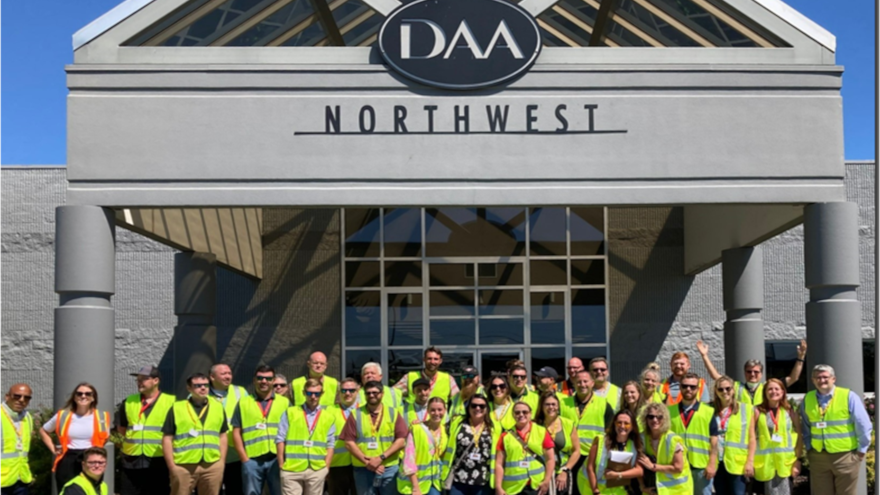
Auction Academy then convened in Spokane, Wash., on July 18, for three days of training that included DAA Northwest’s premier industry promotion, the 27th annual Rock ‘n Roll Sale, which culminated in a concert by Sammy Hagar.
The session began with a presentation by Len Roll of DAA Northwest, one of the industry’s top professionals in auction operations, who covered detailing, body shop services and condition reports.
He was followed by Mitzi Van Voorhis, the McConkey Auction Group’s VP of marketing (an Academy Alum) and Kaylen Bucher, marketing manager at DAANW and a current Class 7 student, who described the McConkey Group’s philosophy and process for its nationally recognized promotions in print and digital media.
Completing the morning’s session was the McConkey Auction Group’s VP of human resources, Ashleigh Mathews, also an alum of Auction Academy, who discussed a topic that personally impacts most Auction Academy students as they assume leadership roles: making a seamless transition from coworker to boss with respect to all.
The Class was then met by two more graduates of Auction Academy — DAA Northwest general manager Collin McConkey and MAG COO Dave Pendergraft — for a tour of the DAA Northwest facilities.
Back in the classroom, the group heard presentations by Sandy Moon of NextGear Capital and Dan Diedrich of Auction Edge. The day ended with a barbecue at the home of Bob and Sandy McConkey, which was attended by a number of industry executives as well as the Auction Academy students.
A second full day of classes and auction observations at DAA Northwest began with IARA CAR Certification Testing. After watching the kick-off sale in the auction lanes at DAA Northwest, the group returned to the classroom, where they heard from Wanna, Academy alum Ben Caffee — AVP digital service at Manheim Express, and Shann Ferch of Gonzaga University.
Then, the group joined auction customers and remarketers from across the country for the main event, the Rock & Roll Concert opened by The Cronkites and followed by headliner Sammy Hagar.
Later this year, the Auction Academy will meet in Baltimore for a full day of NADA training, focusing on the auction process through the dealer’s eyes.
The Nichols family will host the Academy for day two at Bel Air Auto Auction, where classes will be held in the auction lane. Dr. Brittany Boone, an Auction Academy favorite, returns to speak on Leadership, Diversity and Inclusion. The group will also hear presentations from Smart Auction, DealShield, the Holman Group and members of the staff at Bel Air Auto Auction.
Auction Academy is a continuing education program developed by TPC Management Co., (TPC) for professionals in the auto auction industry. Auction Academy’s two-year program provides a training and development experience for auto auction professionals, structured like an Executive MBA program.
With faculty drawn from expert practitioners around the country, Auction Academy’s programs are designed to enhance essential skill sets, promote best practices and yield better auction performance. The curriculum includes site visits, field trips, technical certifications and work with industry experts in all areas of auto auction operations.
For additional information about Auction Academy, contact Wanna at (615) 591-4544 or [email protected]. Or visit the website at www.auctionacademy.net.
Whether you have a fleet of trucks and other vehicles or your daily driver to the auction, dealership or office gets pretty thirsty for fuel after only a couple hundred miles, the rising cost of gasoline and diesel is impacting just about everyone.
Relay Payments acknowledged that some industry experts say that only a recession will reverse the rise in the cost of diesel.
So to help, the digital payment solutions provider for the transportation, logistics and supply chain industries offered some suggestions for transportation and trucking companies as well as advice that might help individuals, too.
“It has to start with the basic blocking and tackling of trucking,” Relay executive vice president Meghann Erhart said. “Understand your market. Run as efficiently as possible. Minimize your empty miles. And pay strict attention to your cash-flow.”
Cash flow management — understanding and staying on top of the in-flow of revenue received and the out-flow of expenses needing to be paid — is essential to the success of any trucking business, according to Erhart.
“Being aware of the ins and outs of your cash flow includes paying attention to the payment terms of each load — knowing when you are going to get your money,” she said. “And it’s about knowing your expenses. Being aware of when your insurance payment is due; when your taxes are due.
“Knowing and planning for these big upcoming bills. You budget for those known expenses, and include some reserve for unplanned expenses, like a repair to get your truck back running. Not every dollar that comes in can be spent without setting aside what you’re going to need to keep the business going,” Erhart continued.
Rising costs are particularly hard on owner operators. Half of single-truck and small fleet owners are considering job changes in the next six-to-twelve months, according to a new survey by Truckstop.com.
Some of those considering a change will close their business and go to work driving for a larger fleet. But many of those who choose to stick it out will succeed through hard work, determination and a strict adherence to good business practices, Erhart said.
“Some very large fleets started out as an owner with one truck,” she said. “And just about every one of them has had to overcome some degree of adversity to succeed. This is an industry full of very determined individuals.”
Relay can help owner operators manage their cash flow and reduce expenses, with solutions to:
—Budget for and keep track of expenses
—Reduce idle time with fast transactions at the shipping dock
—Use a wrapped receipt for a zero-cost lumper payment
—Receive a rebate on every fuel transaction so you don’t have to go out of route looking for a particular brand of fuel
—Get reimbursed for lumper expenses with real-time receipts
—Send invoices out quickly and accurately
“We know the cost of doing business is increasing,” Erhart said. “In addition to providing solutions to save our customers money, Relay is holding our prices stable to support the industry through a difficult time.”
Relay Payments is one of Fast Company’s 50 Most Innovative Companies for 2022, ranked sixth in finance.
For more information, go to www.relaypayments.com.
Dealer Image Pro recently announced results from an industry survey it commissioned to better understand how dealers are using vehicle photography and video to best merchandise cars and trucks in today’s digital retailing landscape.
Dealer Image Pro presented an online survey to more than 3,000 automotive dealer professionals during June.
According to a news release, only 12% said they use a software or application to take and upload their own vehicle photos, with another 30% saying they have to train someone new to take photos every week.
The company discovered nearly 20% also said it takes them a day or two to get their photos and videos loaded onto their website.
Furthermore, 53% of those dealers surveyed use a photo vendor service showing that this older form of merchandising can be convenient, but certainly not optimal.
Dealer Image Pro went on to mention almost 26% of respondents said they currently spend $30,000 to 40,000 per month in digital advertising while another 24% say they spend more than $40,000 per month in ad spend while a whopping 75% say they bring their cars to market with photos only three days per week or less.
“These figures ultimately show automotive dealerships missing crucial time to bring their vehicles to market each week, as the advertising dollars spent on vehicle listings are a direct reflection of the time lost. This lost time posting new inventory is costing dealers thousands in additional revenue each month,” Dealer Image Pro said in a news release.
The average dealership spent more than $312,000 on online advertising in 2021, according to Statista.
“Automotive professionals are not maximizing the time they spend on bringing the vehicle to market versus the amount of advertising dollars spent,” Dealer Image Pro said.
The firm added that 31% of automotive dealer professionals surveyed said they see their vehicle detail pages (VDPs) up significantly this year, with 33%seeing their gross profit margin increase 10% to 15% above sticker price.
“We still see dealerships using a physical camera when taking vehicle photos and videos, which shows just how obsolete the process is for some in today’s digital world,” Dealer Image Pro founder and chief executive officer Peter Duffy said in the news release. “We used to be the photo vendor using cameras. We loved this experience. It’s how we cut our teeth in this industry.
“The data is clear though, the path of least resistance is taking your content in-house with software on a mobile device,” Duffy continued. “Cars should be brought to market the day they’re out of recon. Full stop. This trend was evident 2-3 years ago, but after the last two years it’s crystal clear. The trick now for dealers is to find the right photo software to streamline their big lot operations.
“A software or company that gets their photos edited photos and videos published daily. a company that keeps your photographers trained, and QCs the content. Basically, getting an end-to-end solution that helps all automotive dealerships list and sell their vehicles faster,” he went on to say.
Duffy recently appeared on the Auto Remarketing Podcast to discuss vehicle photos and more best practices. The episode can be found below.