Buy-here, pay-here dealers and other finance companies that leverage PayNearMe now have a wider net to capture customer payments.
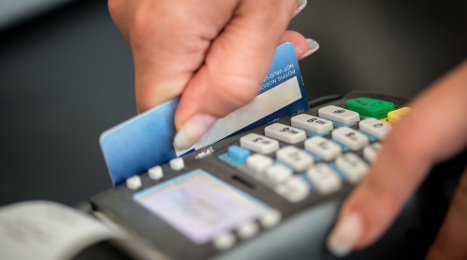
PayNearMe, a service of Handle Financial, on Thursday announced the release of a complete mobile-first payment platform, enabling merchants to accept payments from their consumers at any time, anywhere and any way they want to pay. The expanded system provides the ability to accept debit, credit and ACH payments in addition to cash; and features payment reminders and mobile wallet integration.
The PayNearMe system was initially designed to accept cash from underserved consumers for online goods and services at more than 27,000 retail locations nationwide, including 7-Eleven, ACE Cash Express, Casey’s General Stores and Family Dollar. PayNearMe can reduce the expense and operational challenges of accepting cash while providing consumers a fast, easy way to make payments.
These benefits and ease of use are now being extended to include all forms of payment.
With the launch of PayNearMe’s debit, credit and ACH payment capabilities, merchants can now securely accept and manage all types of payments, driving more on-time payments to keep customers current on their vehicle installment contracts.
The mobile-first design offers a simple and intuitive user experience that makes paying faster and more convenient. Consumers can store their payment credentials in their mobile wallets for easy access, and receive timely text reminders when their payments are due.
PayNearMe said competitive solutions require the use of third-party products at additional cost that also can increase complexity for consumers and merchants.
“PayNearMe has consistently delivered innovative yet simple payment solutions to address lenders’ most pressing needs,” said Danny Shader, chief executive officer of Handle Financial and founder of PayNearMe.
“Today, we are introducing the industry’s first complete payment platform, putting cash, debit, credit and ACH all together in one single trusted platform, along with payment reminders and mobile wallet integration,” Shader continued.
“It has never been easier for lenders to process all of their payments while delivering an outstanding mobile-first experience to their customers,” he went on to say.
The company also emphasized PayNearMe’s transparent fee structure eliminates the hidden or confusing fees charged by competitive offerings, and makes bills clear and easy to understand.
“We are incredibly excited to gain the ability to process all forms of payment through our most trusted payment platform,” said Mike Meltser, chief executive officer of Capital Auto Financial. “The interface is very easy-to-use and gives us a number of ways to engage our customers to ensure on-time payments without additional charges or hidden fees.”
Marcus Berkowitz, senior director, technology and innovation at microfinance organization, Grameen America, added, “PayNearMe’s debit and cash payment options have worked extremely well for our members.
“Making payments by debit card has proven to be faster, more convenient, and hugely beneficial for them,” Berkowitz continued.
To learn more about the expanded PayNearMe solution for billers or to experience a free demo, visit www.paynearme.com/business or email [email protected].
Here is another example of service providers collaborating to provide independent dealerships with tools their competitors backed by automakers might have.
Fidelis PPM announced on Thursday that its sister company Vero has partnered with financial services provider Allied Solutions to provide an inventory merchandising and vehicle service contract program designed to drive profits and retention for non-franchised and buy-here, pay-here operators.
Together, Vero and Allied Solutions have launched the Dealership Advantage Program. The vehicle merchandising and protection program can help dealers present fresher, more appealing inventory and deliver a better customer experience — and make more money.
The program features:
• A comprehensive package of Simoniz-brand vehicle protection and appearance services for all inventory, at no charge.
• Includes GlassCoat, Simoniz’s ceramic paint protection, also, at no charge
• Vehicle service contract (VSC) options from a range of industry-leading underwriters
• A VSC purchase incentive upgrading the ceramic paint protection to a seven-year warranty
The Dealership Advantage Program is designed for independent dealers who desire maximum vehicle VSC retail profits, improved customer perception, and more satisfied customers.
“Market pressure on used car operators is considerable today, while competition for quality inventory is brisk, but dealers utilizing our Dealership Advantage Program help set apart their dealerships and vehicles as uniquely different and attractive to their customers,” Vero chief executive officer Joe Annoreno.
Other program details include:
1. An inventory refresh suite: Simoniz-brand deodorizer, sanitizer, and antimicrobial products for vehicle interiors, paint and fabric protection, and Simoniz’s GlassCoat permanent ceramic barrier for vehicle exteriors.
2. Coverage-rich VSC options from a range of leading underwriters
3. A purchase incentive, a free paint coverage warranty upgrade with VSC purchase
“Now independent dealers can enjoy significant market advantages to separate their business and inventory from the competition,” says Mark Ladd, vice president of the automotive services group at Allied Solutions.
“We believe this Dealer Advantage Program offers benefits that independent dealers will value while it enhances their competitiveness through a unique protection upgrade to trigger high-grade service contract purchases,” Ladd went on to say.
Independent dealers went into 2018 with an upbeat mood.
Why? The economic and retail sales growth expectations of independent dealers have improved substantially, according to the National Independent Automobile Dealers Association’s business confidence survey for the fourth quarter of 2017.
The survey of NIADA members is conducted each quarter in partnership with Equifax to gauge the viewpoint of used-vehicle dealers regarding general economic conditions and business concerns.
The association highlighted that 50 percent of the dealers surveyed said they expected economic conditions to improve in Q1 2018, up from 36 percent in the Q3 survey.
The results showed retail sales growth expectations improved from 55 to 67 percent, and the number of dealers who expected to increase their inventory investment this quarter rose 17 percentage points — a 42.5 percent increase from Q3.
NIADA pointed out that its dealer sentiment results align with a recent survey of members of the National Federation of Independent Business that showed optimism near an all-time high, at a level not seen in 34 years, according to NFIB president and chief executive officer Juanita Duggan.
NIADA determined the big drivers of that renewed positivity include expectations of tax relief from the new tax bill passed by Congress, positive consumer sentiment due to the lowest unemployment rate in more than 30 years and confidence in the current administration’s pro-growth, anti-regulation policies.
The association acknowledged used-vehicle inventory costs remain robust, with the latest Manheim Index climbing 7.8 percent year-over-year.
NIADA noted that inflationary inventory situation continues to put pressure on the business expense side of the ledger, which is one reason 57 percent of dealers expected their cost of doing business to increase, up from 45 percent in Q3.
Survey orchestrators explained that jump also reflects the significant investment independent auto dealers continue to make in their digital showroom — as reflected in the survey, which shows 56 percent planned to increase their digital marketing spend.
And like any entrepreneur might say, NIADA’s latest project to gauge dealer mindsets emphasized how the cost of doing business weighs heavily on operators.
The expectation of rising expenses also showed up in dealers’ perception of the single most important problem facing their business — 25 percent said it was the increased cost of doing business — by far the most popular choice.
The cost of doing business was followed by heightened competition from franchised dealers (17 percent), lack of customer prospect traffic/leads and lack of quality retail inventory (12 percent).
NIADA mentioned government regulations/red tape — usually one of the most popular responses — was near the bottom of the list at 6 percent.
The overall picture shows NIADA members expected business to improve heading deeper into 2018.
That optimism is bolstered by strong 3.9 percent holiday retail sales growth — well above the 10-year average of 2.6 percent — as well as rising wages, stock market strength, increasing employment and a generally positive economic outlook.
The complete survey data from NIADA and Equifax can be viewed here.
Lyft and NIADA partner to help dealers turn metal
In other association news, ride-sharing provider Lyft has joined with NIADA as its latest National Member Benefit partner.
The partnership, what NIADA contends is unprecedented in the ride-sharing industry, provides dealer members with opportunities to improve their bottom line through referral incentives and improved transportation solutions for customers while also supporting Lyft’s efforts to expand its driver community and providing economic opportunities for dealership customers.
NIADA member dealerships can sign up to be a Lyft referral partner and receive bonuses for each driver they refer. Customers who sign up for the program will also receive a bonus shortly after they begin driving for Lyft, which they can put toward their down payment and monthly costs of purchasing a vehicle.
The partnership enables dealerships to increase sales through the Lyft referral program.
In addition, Lyft’s Concierge program can offer NIADA members an easy, reliable and inexpensive way to provide transportation for customers whose vehicles are laid up in service.
Concierge can enable the dealership to request rides for its customers to get where they need to go while their car is being serviced, whether it’s running errands, going to work or heading home to take care of their children.
Increased mobility provides a better experience for the customer in a cost-efficient way, according to both Lyft and NIADA.
“We are excited to work with NIADA in a unique partnership that’s helping 20,000 independently owned dealerships increase profits and elevate their customer service while expanding our driver community and growing our Concierge portfolio,” said Gyre Renwick, vice president of Lyft Business.
“By leveraging our holistic business solutions strategy, NIADA is able to provide independent dealers across the country with referral opportunities for every driver sign-up, with the potential to lead to an increase in sales,” Renwick continued.
“Simultaneously, we’re also helping improve the overall customer experience by giving dealerships the ability to dispatch Lyft rides for customers whose vehicles are being serviced, through our Concierge platform,” Renwick went on to say.
NIADA senior vice president of member services Scott Lilja insisted teaming with Lyft provides an “unparalleled opportunity” for NIADA members to profit from the growing opportunities created by the emerging ride-sharing industry.
“Forging new, innovative partnerships that foster synergies between emerging and traditional mobility solutions while helping our membership sell more vehicles and satisfy more customers fits perfectly with our National Member Benefit partnership mission,” Lilja said.
Registration open for NIADA/NABD Conference
Now that the National Alliance of Buy-Here, Pay-Here Dealers has been acquired by NIADA, independent operators need to make only national conference trip this summer.
The NIADA/NABD Convention and Expo, set for June 18-21 at the Rosen Shingle Creek Resort in Orlando, Fla., is a product of the National Independent Automobile Dealers Association’s acquisition of the assets and operations of the National Alliance of Buy Here-Pay Here Dealers, a deal that merged NABD’s conference and educational services into those of NIADA.
“We believe the combined Mega-Conference will be the largest in the used car industry and will provide unmatched resources for all dealers and allied industry partners,” NIADA chief executive officer Steve Jordan said. “Our goal is to provide a true one-stop shop for dealer education and specialized training for any automotive dealer business model, including the BHPH-specific topics and information you’ve come to expect from NABD over the past 19 years.”
In addition to NABD’s BHPH education, attendees can look forward to sessions offering training from the industry’s best and brightest in retail operations, compliance, certified pre-owned, business operations and much, much more.
It will also include the largest Expo Hall in NIADA Convention history, packed with more than 200 exhibitors offering the latest cutting-edge technology, products and services designed to help dealers stay on top of the ultra-competitive used car market.
NIADA acquired NABD on Dec. 14, completing more than two years of review, strategic discussions and due diligence and providing a succession plan for NABD, founded in 1998 by Ken Shilson.
“Success in this industry is about working together,” said Shilson, NABD’s president. “It’s about using our collective resources to help our members succeed. And that’s exactly what we’ve done here. We’re working together for the success of the used car industry, which is what this merger is about.”
NABD’s Ingram Walters agreed the deal embodies what NABD has always been about.
“Our goal at NABD has always been the dealers’ success,” Walter said. “This combination will provide even more basis for that and an ongoing plan for their success.”
The NABD staff will transition into NIADA and continue in expanded roles to serve the needs of NABD members, NIADA members and the BHPH industry.
“NABD has provided a strong voice and specialized educational resources to more than 14,000 members over the past 19 years,” Jordan said. “I am pleased that the NABD legacy will live on within NIADA as we continue to develop new ways to serve the entire used motor vehicle industry.”
A fall conference in Las Vegas is also under development, with plans to be announced in the coming months.
To register for the upcoming NIADA/NABD Convention and Expo or for more information, visit www.niadaconvention.com or www.bhphinfo.com.
It’s not news that independent and buy-here, pay-here dealers more often will complete vehicle deliveries with consumers with softer credit than their franchised store contemporaries.
What is noteworthy is how Experian Automotive detailed the extra risk being facilitated through franchised dealerships to complete financing when looking at the lowest credit tier tracked on a quarterly basis.
According to Experian’s State of the Automotive Finance Market Report, the average amount financed during the first quarter for deep subprime customers — individuals with credit scores between 300 and 500 — making purchases at independent dealerships jumped by $654 year-over-year to $13,707.
And the term of the contract for those purchases grew by more than a month to nearly 55 months.
Breaking the independent store data even further, the average monthly payments for deep subprime customers who bought a vehicle in Q1 ticked up by $12 to $385.
When it comes to annual percentage rate on the contracts, the average APR for deep subprime buyers ticked up just 2 basis points during the first quarter to 20.55 percent.
Now let’s compare those figures to what happened at franchised dealerships that sold a used vehicle to a deep subprime customer during the first quarter.
Perhaps reflecting the network of finance companies franchised dealers can tap to get a deal with a deep subprime customer “bought,” the average amount financed for buyers in Experian’s lowest credit tier for used-vehicle transactions at new-car stores reached $16,151, up by $336 year-over-year.
Those finance providers working with franchised dealerships who will move metal with deep subprime customers also were willing to stretch terms much longer than contracts finalized at independent stores. The average term for a deep subprime buyer who took delivery of a used vehicle at a franchised dealership in Q1 came in at almost 66 months, nearly a year longer than what was booked on average at the independent lot.
And when it comes to rate and monthly payment, those deep subprime customers also finalized a little better deal on that used vehicle as the Q1 average APR dropped 9 basis points year-over-year to 18.37 percent with the monthly payment coming in $381.
Buy-here, pay-here dealers probably often want to get into the wallets of their customers. Not necessarily in a creepy and illegal way, but rather to ensure the individual makes payments and remains current on their installment contract.
Well, with a new platform set to make a major launch into the BHPH space this month, operators now can find a way into their customers’ wallets — at least electronically, through a smartphone.
Walletron, which delivers a SaaS platform that automates brands’ presence in mobile wallets like Apple Wallet and Android Pay, is rolling out its moBills system to BHPH dealers. It’s one of the many technology launches set to be a part of annual conference hosted by the National Alliance of Buy-Here, Pay-Here Dealers that begins this coming Tuesday at the Wynn/Encore in Las Vegas.
Walletron chief executive officer Garrett Baird explained to BHPH Report during a recent phone conversation that the company is leveraging more than four years of refined service to national retailers and other brands to make moBills a tool that can help operators who have 50 accounts or 5,000 accounts in their portfolio. Baird pointed out that what differentiates Walletron’s offerings from other billing apps is how it’s connected to the default wallet app installed on smartphones.
“That is a key piece to our strategy. These mobile wallets have these always on, always available aspect to them,” Baird said. “There’s no trip to the App Store for the consumer. There’s no searching, downloading and installing. Instead, it’s a simple two-tap enrollment process to get going for the consumer. Once they’ve made that connection into the mobile wallet, we at Walletron essentially act as the plumbing between that consumer and the clients and brands we work with to keep that item in the mobile wallet up to date with the freshest information possible.
“When you have a presence in the mobile wallet, you enable the ability to communicate with the consumer via notifications as if you had an app but it’s leveraging these apps that already exist on these devices. I can light up that consumer’s smartphone with a completely branded message by virtue of just being there in the wallet,” he continued.
“We, on behalf of our clients, control that capability and allow them to send messages to consumers that are event-based or campaign-based. All of this pulled together creates this fantastic communication channel for our clients to communicate with customers,” Baird went on to say.
And for BHPH dealers, that means having another way to reach their customers when their payment is due — or if it’s over overdue.
Furthermore, Baird emphasized it takes just two taps by the customer to have your store’s related finance company embedded into a customer’s mobile wallet. He reiterated four of the main advantages that can help operators increase payment frequency while reducing costs if the dealership still prints and delivers paper statements.
• Easy pre-prepared and scheduled, or customized and immediate, push notifications regarding pre-payment so your customer never forgets when the bill is due. Although these look like texts and “wake up” the phone above the lock screen, as they are tied into the mobile wallet feature of the phone, Walletron indicated these messages are not considered texts for regulation purposes overseen by federal agencies.
• Easy bill presentment, mobile invoices, billing and account history, all linked to the customer’s mobile wallet in their smartphone.
• Easy customer payment through the mobile device, by credit/debit card, bank account, or through connections to a cash payment network.
• Post due date or payment push notifications, again timed and pre-prepared, or customized and immediate; with the ability to send additional messages, coupons or updates on sales or service specials.
“The moBills bill payment technology takes the BHPH industry to a whole new level of efficiency in bill payment, using the device that 97 percent of smartphone users already have in their hand,” Baird said.
Walletron will be presenting special offers to attendees in Las Vegas next week for NABD 2017. Dealers can still register for the event by going to www.bhphinfo.com or by calling (832) 767-4759.
Baird mentioned another Walletron client had nearly 20 percent of its customers completely connected via moBills and the mobile wallet within the smartphone within six months of the launch. He’s bullish about the BHPH industry adopting this technology even faster.
“We think we can blow away those results in this particular space just given these customers and their centrality to the smartphones in their lives in helping them remember to pay much easier,” he said.
GPS-based technology provider PassTime recently completed a software integration project with QuotePro Kiosk, a payment solution for independent and buy-here, pay-here dealers
The companies highlighted that customers utilizing both QuotePro Kiosks and PassTime GPS solutions will now be able to perform a variety of device management functions directly from the QuotePro Kiosk. The partnership will focus on cross marketing and promotion to benefit both firms’ current and potential customers.
QuotePro Kiosks serve as an exclusive in-store payment channel for many BHPH dealers. Now because of this integration, payments made on a QuotePro Kiosk can be communicated in real-time to the PassTime device regardless of the dealer management system (DMS) used by the operation.
QuotePro Kiosk vice president of sales Chris Albu said, “This integration provides dealers who embrace and use technology another efficiency in their business. It eliminates manual entry while communicating time-sensitive data in real-time. It not only saves dealers money, but improves their business processes.”
For more information about QuotePro Kiosk call (800) 630-8045 or send a message to [email protected]. PassTime can be reached at (800) 828-1564 or [email protected].
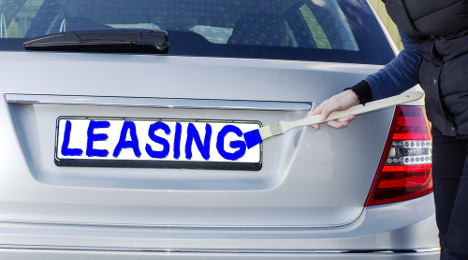
Thanks to more data and information from NCM Associates, the National Independent Automobile Dealers Association and Subprime Analytics, Ken Shilson has more evidence showing the performance of the lease-here, pay-here model that more operators are leveraging as a way to augment their traditional retail installment contract business.
Shilson plans to share a wide array of specific metrics and comparisons when the National Alliance of Buy-Here, Pay-Here Dealers hosts its 19th annual conference at Wynn/Encore in Las Vegas on May 23 to 25.
During a recent conversation with BHPH Report, Shilson, the NABD president, shared the data point that stands out most when comparing metrics for buy-here, pay-here versus lease-here, pay-here. Turns out there is a much higher recovery rate when leasing.
Shilson intends to share specifics during one of three conference sessions dedicated to the leasing model.
“What we’ve seen with buy-here, pay-here is as the industry has gotten more challenging with more competition, the buy-here, pay-here customer knows that regardless of what he does with the car he can go out and get another car. A lot of people have literally trashed the buy-here, pay-here vehicle they bought,” Shilson said.
“With leasing, one of the advantages has been is that they don’t seem to do that,” he continued. “It’s not that there is not defaults in leasing because not being able to make their lease payment is the same as not being able to make their car payment. But most of the time, they just voluntarily turn the car back in and you don’t have the chase them all over the country. That’s why we’re seeing a much higher recovery rate for the lease-here model.”
Shilson plans to offer side-by-side comparisons of BHPH and LHPH metrics so attendees can decide if getting into the leasing business is worthwhile if they’re not in it already. Shilson acknowledged the compliance involving the documentation of leasing contracts as well as capital providers willing to send funds to operators booking leases have been the two hurdles that have prevented leasing from gaining a larger foothold in the deep subprime space.
“Because the compliance documentation hasn’t always been right, the capital providers have been reluctant to loan against it because they want to make sure the paperwork is right and everything is going work properly from a compliance standpoint. That has slowed the ability for people to get into this and build it on a big scale, but that is definitely changing,” Shilson said.
“The documentation now is compliant. There are now capital providers who see the leasing model as a viable alternative because you don’t have to stretch the term out 60 or 70 months to get the payment right because you use the residual value to help get the payment correct,” he added.
The other two conference sessions focused on leasing are focused on those two segments Shilson just mentioned — leasing compliance and capital acquisition.
Many more topics are on the conference agenda, including:
1. Regulatory changes and updates
2. Sourcing and financing the vehicles customers want today
3. The critical decisions needed to succeed today
4. The newest technology to improve efficiency and reduce operating costs
5. Operating practices that work both now and in the future
The general education sessions will also include a keynote presentation by Richard Flint on “Embracing Change” preceded by a benchmark/trends update from Chuck Bonano, NIADA 20 Group Director, and I which will put things into a financial perspective.
Shilson went on to mention NABD 2017 also features what he called a “Solutions Hall” along with workshops to help attendees find:
—The capital needed to fund growth
—Ways to regain lost market share
—Technology that increases profits and cash flow
—Ways to reduce bad debts and keep customers paying
—Marketing strategies to compete more successfully
— Compliance to avoid fatal pitfalls
—Compliance with the new AICPA credit loss measurement standard
—Technology to manage and control reconditioning cost
To register or get more information, visit www.bhphinfo.com or call (832) 767-4759.
In a move executives say will benefit buy-here, pay-here dealerships and other participants in the auto finance space, Realtime Electronic Payments (REPAY), a full-service provider of advanced payment technology products and electronic transaction processing services for the consumer lending industry, has acquired Sigma Payment Solutions, which offers related services.
Both companies said on Monday that they will continue growing in their respective industries, now with shared technology, resources and relationships.
“REPAY had already planned to expand into auto finance, so Sigma’s established footprint and well-respected leadership in that space made this an attractive acquisition for us,”, REPAY chief executive officer John Morris said
“We are also thrilled to welcome Susan Perlmutter to our team. She is highly regarded in the industry and has negotiated numerous beneficial dealer management system integrations for Sigma, with more on the horizon,” Morris continued. “We’re excited to join forces to offer an even higher level of service to our consumer finance and auto finance customers.”
Perlmutter is now chief revenue officer for both REPAY and Sigma. She added, “This acquisition brings greater resources to Sigma, as well as broader and deeper underwriting capabilities. It could not be a more perfect union, as each company fills a gap for the other.”
Perlmutter said Sigma’s clients have already begun to experience the benefits of the acquisition in the form of more competitive pricing.
“REPAY has a direct relationship with TSYS and with REPAY’s processing partners. As a result, Sigma can now offer more customized solutions and better pricing to our customers,” said Perlmutter, who also shared her industry perspective here as a part of BHPH Report’s annual issue dubbed, “Best of BHPH.”
Both REPAY and Sigma will continue to invest heavily in new technology to automate consumer payments 24 hours a day, seven days a week. Sigma pointed out that it will continue all its current integrations with the industry’s top DMS platforms. Customers will experience no change to their Sigma service, except for more competitive pricing.
“We are also working hard to increase the pace by which we can integrate with loan management and dealer management systems,” Morris said. “We believe a customer’s choice to work with REPAY or Sigma should be an easy one, because we offer true plug-and-play functionality.”
In the latest installment of the annual Best of BHPH issue of BHPH Report, we go behind the scenes with some of the leading companies in the used-car space and their top executives with a few Q&A features.
Next up in this series is Susan Perlmutter, chief revenue officer at Sigma Payment Solutions.
BHPH Report: What’s your assessment of how closely collections practices are watched by federal and state regulators nowadays, and how much has it intensified in recent years?
Susan Perlmutter: Debt collection has always been a focus of federal regulators. It started with the implementation of the Fair Debt Collection Practices Act (FDCPA) in 1997, followed in 2010 by the Dodd-Frank Reform and Consumer Protection Act. Dodd-Frank gave the Consumer Financial Protection Bureau (CFPB) the power to become the first agency to issue substantive rules under its statute. With the oversight of the CFPB into this heavily regulated area, debt collection practices now have even deeper focus from an entity that is not known for its investigative processes. The BHPH industry has become lumped into the other perceived areas of high-risk consumer loans, such as installment, payday and title loans. That is tough on today’s BHPH operators — especially considering the business owners themselves are now personally in the path of the CFPB focus, not just the businesses they own. This type of approach to policy enforcement is unprecedented.
BHPH Report: What’s the No. 1 mistake BHPH operators still make in their collections departments and why?
Susan Perlmutter: While I agree personal contact with a customer is still necessary to build the initial relationship, I also believe the No. 1 mistake a BHPH operator can make is thinking the phone is still the king of contact after the sale. Today’s consumer is much more likely to respond to non-confrontational collection methods. Remember the days when customers would put their payments in envelopes and slip them under the door, even though collectors had left numerous messages on their machines? These customers still exist and will gravitate to self-serve methods of communication for information and making payment, if autonomous solutions are made available to them.
I believe operators should take a more scientific approach to their collection portfolio to identify consumer trends within their own accounts. There is a huge misconception among business owners that technology bears a large cost. This simply is not the case. With a little bit of fact finding, technology can assist with the overall management of the entire collection process. Are collectors spending more time leaving messages than actually speaking with a customer? What is the consumer response rate to the current method of contact? What communication methods carry a higher response rate from the customer? What is the average age of the customer? Do certain age groups respond to certain communication methods better than others?
If the phone is the only method of contact and the cashier or collector is the only way to make a payment, the BHPH operator is bearing a huge cost for very little reward when it relates to managing a growing collection portfolio. Collection technology will not replace collectors, but it will allow an operator to grow and manage a portfolio more effectively without increasing collection staff.
BHPH Report: What can an operator who doesn’t have significant resources do to improve collections?
Susan Perlmutter: More collectors making more phone calls is not the answer to improve collections. There are many options for friendly customer contact that are less costly than having an account representative call a customer by phone, the costliest of all contact methods. Good collections come from friendly and constant contact with customers. Developing a process for automated contact and collection of payments — one that is readily and easily adopted by customers — is key for portfolio growth with limited resources. For example, starting the after-sale relationship with a text to say “thank you for your purchase” paves the way for future text communications to remind a customer payment is due or advise a payment is past due.
In addition to managing portfolio growth, adding communication methods that will allow customers to self-serve account information or make loan payments will reduce the pressure put on staff members to answer phones only to collect payment account information or cite balance information.
Limited resources do not have to result in limited collection efforts. Consumer-facing web portals, Interactive Voice Response (IVR) systems and SMS text are all low-cost, alternate methods of communication that have already had large adoption rates by consumers. When evaluating resources and costs, BHPH operators should pair customers with the best and most cost-effective methods of communication, which often enough, is not calling the customer during an 8-to-5 workday.
Having the necessary resources to run a business of any size is always a challenge. Automating collection processes and providing customers options for retrieving their own account information can relieve the strain on a business with limited resources and fill in gaps during a growth or restructuring period.
BHPH Report: What are you watching in the collections space as we go into 2017 and beyond?
Susan Perlmutter: The CFPB has already announced they are planning a separate track involving first-party debt collectors and creditors. Proposed rules by the CFPB for third-party collection may inevitably bleed over to first-party, which will shift the paradigm of how the BHPH industry will approach collecting loan payments. Some of the proposed changes that could directly affect the BHPH operator include the following: credit bureau requirements, limits on number of communication attempts before contact, and easier methods of cease and desist orders to stop communication from a particular source or time of day. BHPH operators have been feeling the increasing compliance with regard to handling the sale of the car — everything from advertising to contracts. I believe they will see more directives and fines in 2017 resulting from the collection of loans and communication, or lack thereof, with customers.
Additional pieces from this series can be found below:
DealerSocket’s FEX DMS has added to independent dealers’ payment processing options by fully integrating with ProPay’s LenderPay platform, a credit processing platform for complete, end-to-end payment solutions that are designed to be simple, secure and affordable.
The company highlighted this partnership will provide FEX users with more options to select the credit processor that best serves their dealership’s unique needs.
“Dealers who take advantage of this integration will benefit from significantly lower, transparent merchant card processing fees, as well as a convenience fee option for those who want to eliminate the cost of card processing,” DealerSocket chief operating officer Cameron Darby said.
“In addition, dealers can now accept credit cards, debit cards and electronic bank transfers without ever leaving the DealerSocket platform,” Darby continued.
Darby went on to mention the automated solution features dealership bank settlement reconciliation all within DealerSocket, embedded within a platform that is fully compliant with Payment Card Industry Data Security Standards (PCI DSS). A simple, one-click enrollment process means dealers can immediately start taking payments through ProPay.
Making a payment is easy for consumers, too, with on-demand one-click payment options.
The ProPay LenderPay integration is now available for FEX DMS users, and it will be part of DealerSocket’s new iDMS to be released this year.
“By embedding both real-time merchant account setup and activation all within their native application, DealerSocket has taken a giant leap beyond anything currently seen in the automotive industry,” said Dave Duncan, president of ProPay, a TSYS company.
Dealers who want more information on ProPay, including how to start using it at their store, can contact a DealerSocket representative at (866) 701-4393 or online at DealerSocket.com/IND.