If you could laser-target your ideal buyers with advertising they’re interested in at the optimal times in their shopping process, all without wasting budget to reach those that’ll never buy from you, would you want to know how?
In case you haven’t heard, Facebook Ads can be very valuable for increasing leads and closing sales.
Developing a successful Facebook ads strategy is crucial. It’s no longer okay to just post on Facebook, try to grow your fanbase and hope it will work for you. More than likely, it won’t! Hope is not a strategy.
Done right, Facebook ads give you the ability to target very specific audiences using advanced tools that are just not available through traditional mediums.
Before doing any marketing or advertising, it’s always smart to start with goals and a strategy. Set goals for the results you want to achieve and that will help you plan your Facebook ads strategy.
The backbone of successful Facebook ads strategy is Targeting the right audience.
Your Facebook ads won’t be successful unless you figure out your target audience. There are many components to successful Facebook ads but even with so-so ad copy, if you’ve targeted well, you can still get results.
The reason people are getting such huge results from Facebook ads right now is because it’s possible to target at all the different levels during the buying process. Targeting smarter is where the big wins are with your ads. The more specific you can be with your targeting, the better results you’ll see.
Audience Demographics
Facebook offers many demographic options to create your target audience:
- Location
- Age
- Gender
- Relationships
- Education
- Work
- Employers
- Job Titles
- Industries
- Office Type
- Generation
- Parents
- Politics (US)
- Life Events
Interests
Identify the interests of your ideal customers and Facebook ads manager will create an audience of people who have expressed an interest in or liked pages related to those interests.
Leverage Facebook Graph Search
Research and define the interests of your ideal customers. The Query we use is: “Favorite interests of people who like [your business page]“. You can go as deep as you need to find information:
- “Favorite interests of people who like [your competitors’ page]“
- “People who work at [local business] and like [your product or service]“
- “Groups of people who like….”
The possibilities are truly limitless. The goal is to know as much about your ideal customer as possible in order to serve them ads that are relevant to their needs and desires. When you master this, your results are leads and sales.
Remember: you don’t want to waste money serving ads to people that don’t want your products/services AND people don’t want to see ads for things they’re not interested in.
Behaviors
Drilling down to specific target audience behaviors is a more advanced technique and very powerful. Facebook partners with 3rd party data companies to supply you with specific audience behaviors. There is a specific section for Automotive shoppers along with many, many other types of shopper behaviors. Buyers that are “near market” and Shoppers who are “in market” are two lucrative behaviors to focus on.
So the next time you complain about Facebook tracking everything you do, think about how valuable this behavioral information is to you as a marketer. You just might see things differently.
Custom Audiences
Take an existing list you have and upload it to Facebook. All you need is one column of email addresses (.txt or .csv file) You need at least 100 matches (people in your database that are also on Facebook). Facebook creates a custom audience for you that you can target inside of Facebook.
Lookalike audiences
These are people most like your fan base. Create a custom audience first and then you can create a lookalike audience that’s similar to your own database. A Facebook ads strategy using lookalike audiences is a great way to find new customers to like your page or drive them to your website.
Side note: If you bought any Facebook fans, these strategies will not perform for you and you will waste your money.
Target Audience Size
Something that’s often overlooked is the size of audiences you create and target. 600-800,000 is a good ceiling. Remember, not all these people will be reached. Facebook will show your ad to those who have the propensity to convert – those most likely to take that action you’re looking for. Not all those people will be on Facebook for the length of your campaign and some are not active at all on Facebook.
Website Custom Audiences
Facebook will build an audience of people who visited your website. You install a tracking pixel on your site and serve ads to people who’ve come to Facebook after visiting your site. There are so many scenarios here (I’m sure you’re thinking about some right now). Lookalike audiences work well here too: “Go find me people who are like those that are visiting my website.”
Achieve Your Goals
- Set the goal of your ads FIRST.
- Work out your strategy
- Execute strategy
- Track results
Here are three examples of successful Facebook ad campaigns to inspire you:
1. Goal: Create higher engagement on your blog and Facebook page.
- Targeting strategy: Fans and/or Non-Fans in your market area.
- Type of Facebook ad: Page Post Engagement.
Create a blog post that tells a compelling story about your business. In this example, the subject matter is the filming of a commercial. The blog post tells the backstory of how the owner’s daughters came to star in it (along with other employees). Syndicate the blog post on Facebook and promote that post. You get more people reading your blog and engaging with your Facebook page…and the content is your commercial!
2. Goal: Generate Leads.
- Targeting strategy: Behaviors – New vehicle shoppers (in market).
- Type of Facebook Ad: Website Conversions (Promotes specific actions for people to take on your website. You’ll need a conversion-tracking pixel to measure your results).
Utilize a website landing page and drive people there with Facebook ads. Be sure to add a call to action and include the all-important Lead Form (so you can collect the prospects’ contact info).
3. Goal: Increase revenue by offering a special to your current customers.
- Targeting strategy: Custom audiences – upload your current, segmented customer database.
- Type of Facebook Ad: Clicks to Website.
Create a page on your website outlining the special and serve ads to your newly-created custom audience. Bonus strategy: Post the special on your Facebook page too with a link and then promote the post.
Author information
Kathi Kruse is an Automotive Social Media Marketing Expert, Blogger, Speaker, Coach, Author and Founder of Kruse Control Inc. Born in the heart of Los Angeles to a family of “car people”, Kathi’s passion for the car business spans a 30-year career managing successful dealerships in Southern California. Kathi is the author of “Automotive Social Business – How to Captivate Your Customers, Sell More Cars & Be Generally Remarkable on Social Media”. Her Kruse Control Blog is the leading Automotive Social Media blog in the US.
The post The Backbone of Facebook Ads Strategy and How to Master It appeared first on Kruse Control Inc.
 Social Selling is the act of networking on social channels to develop leads and sales. It’s not always easy for sales managers and business owners to incorporate Social Selling in their operation, however there are specific proven ways to motivate your team for success.
There’s a large contingency of salespeople out there right now who are completely satisfied with the status quo. They seem to eek out a month of barely sufficient income to tide them over to the next month, where it all begins again. They prefer the current state of affairs and hang onto it like their childhood blankie.
There’s a smaller, more proficient group of winners who challenge the status quo. These are the salespeople who consistently look for better ways to sell. They’re interested in using technology to become influencers in their market and leverage it to improve their sales.
Which type of salesperson would you want on your team?
As a sales manager or business owner, it’s your job to identify who on your team is a winner and who needs more motivation to become a winner. For those salespeople who need encouragement, here are….
5 Ways to Motivate Your Team for Social Selling
1. Leverage your Influencers
Do the salespeople on your team simply go through the motions or are they proactive about developing relationships online? As the manager, it’s your job (and in your best interest) to identify who on your team is embedding their unique personality into the consumer’s shopping process.
Salespeople must see themselves as teachers. The salesperson who knows how to deliver relevant information during each stage of the buying cycle remains influential when it’s time to buy.
2. Reward Networking Wins
Whether online or offline, networking is the new sales. Savvy sales managers hire social salespeople who bring a network with them. The art of networking means wherever you go, you have a trusted referral network to fall back on and managers should reward those on their team who excel.
Demonstrating expertise is a great way to network. It’s one thing to connect with a prospect or current customer on social media. It’s another to keep them connected. The key is solid evidence that you’re a trusted resource. Sales managers should offer a monthly reward for the best post-sale testimonial video or best visual evidence of great customer experience. Publishing this type of content on social networks strengthens credibility and optimizes referrals.
3. Recognize Online Influence
I recently had a friend purchase a vehicle based on the online reputation of his salesperson. More specifically, the salesperson had great reviews on Yelp and Google and that was the deciding factor for my friend.
In order to recognize your team’s influence, you must first have each salesperson do an online search on themselves to see what’s being said about them. Positive or negative, you need to see what’s out there that consumers are seeing. If nothing’s being said, well then that’s another opportunity for improvement.
I’ve found that the most common way that salespeople are found online is through social channels and online reviews. If you haven’t already, create and implement an internal process to capture your happy, loyal customers’ opinions. Salespeople must understand how these reviews can influence others’ buying choices and that a mention could make the difference in the sale.
With all employee initiatives, there’s a WIIFM (What’s in it for me) component that should be addressed before you launch. As the sales manager, it’s your job to instill why online reviews and social profiles are important. Of course, you can force them to do it but I’ve found that to be futile.
Instead, recognize each team member when they’re mentioned positively in a review or social context. You can also recognize those that are mentioned negatively as a learning tool in your training process.
If someone on your team has a blog, give extra credit for blog posts that get shared or reach page one of search.
4. Set Goals, Track metrics & Leads from Social Networks
The further you drill down into the metrics of performance, the better equipped you are to educate your team and increase sales. Chances are you track each salesperson’s performance – their follow up, productivity, closing ratios, etc. Why not track their prospects and leads in social?
Set your Social marketing/advertising goals as a company, such as:
- Growth of network
- Engagement
- Reach
- Leads
- Sales
Now, drill down further with each salesperson:
- Networking wins
- Events attended (online and offline)
- Prospects in the pipeline
- Referrals (Leads)
- Sales
5. Check in at Sales Meetings
In every sales meeting, you cover where you are and where you need to go with your team. Your talent as a sales manager depends greatly on your ability to motivate the team to meet their goals. Follow up with each salesperson on the results of their Social Selling.
Consumers do business with the salesperson (and company) who’s provided solid evidence that people like them and trust them. Use these 5 ways to motivate your team for Social Selling so that once in the pipeline, your prospects know they’ve made the right choice.
Author information
Kathi Kruse is an Automotive Social Media Marketing Expert, Blogger, Speaker, Coach, Author and Founder of Kruse Control Inc. Born in the heart of Los Angeles to a family of “car people”, Kathi’s passion for the car business spans a 30-year career managing successful dealerships in Southern California. Kathi is the author of “Automotive Social Business – How to Captivate Your Customers, Sell More Cars & Be Generally Remarkable on Social Media”. Her Kruse Control Blog is the leading Automotive Social Media blog in the US.
The post 5 Ways to Motivate Your Team for Social Selling appeared first on Kruse Control Inc.
 You hear it everywhere: Social Media is the place to be. You hear it on the media, you hear it from your progressive employees and/or salespeople, heck, you might even hear it from your own head. A little man sits on your shoulder everyday saying, “You better pay attention here, you’re missing out!”
Wherever the message is coming from, social media marketing and advertising sounds pretty good. The trouble is, as the business owner or manager, you’re not a user of social and there’s a lot about it you may not know.
The customary response when you believe your business needs support is to hire someone to “get it done.” Social media marketing and advertising is unlike any other component of your business’ operation. It isn’t something to “get done”; it’s a continuing connection and conversation with customers and prospects. Social media is a place where companies win and fail, sometimes on the same day.
The value of social media cannot be overstated. However, it’s not for everyone. There are huge pitfalls and even bigger operational commitments involved. I’ve personally experienced situations with our clients who thought they wanted social media marketing and advertising but were either not willing to make the commitment or were not truly ready for it.
Everyone has to start somewhere and there are solutions for those that aren’t ready. In fact, I’ve been blogging for 4+ years about social media and where your business fits it. If you’re considering social media marketing and advertising, review these 3 warning signs before you give it the green light:
3 Warning Signs Your Company is Not Ready for Social Media
1. You Think Social Media is Free
Marketing’s biggest myth is that social media is free. Even before Facebook’s algorithms restricted content, rendering it pay-to-play, social media was not free.
Like all other forms of marketing and advertising, social requires skill and a budget. It’s complicated and much harder to get results today than it has been in the past. Social advertising is a very valuable tool and the skills it takes to succeed don’t grow on trees.
Mastering social media marketing requires the publication of relevant, engaging content on your selected channels. Balancing your brand’s message with the needs and wants of your customers and prospects is no easy task. It takes expertise and that costs money.
Social is also an imperative channel in your SEO. Whether you do it in house or collaborate with a Social Business Center, there must be an allocated monthly budget. If you’re not willing to spend the needed expense to generate leads, you’re not ready for social media.
2. You’re a perfectionist and recoil at the thought of transparency and authenticity.
Social media is social. Synonyms for social are community, public, shared collective, group, party, gathering. If these terms send shivers down your spine, you’re not ready for social media.
Emotions play an important part in marketing and sales. Evoking buyers’ emotions is actually the goal of all marketing. Emotions are human. If you’re a person who has severed your emotions from everything you do in business, that renders you non-human. Viewers (buyers) sense this and leave. Authentic communication wins in social media.
Marketing is not an exact science and therefore not perfect. You must be willing to accept the fact that there is a creative component to social media. If you’re not a creative type of person who focuses mainly on concrete ideas and scientific absolutes you must allow others to take up the slack and complete your marketing and advertising.
Great social media marketing requires openness and transparency. If you’re paranoid and/or controlling by nature, social media will never be a place for your business. This doesn’t make you wrong, only that social media is not a solution for revenue growth.
3. Your idea of employee recognition is that you pay them every month.
Leaders in social business know that employees are huge resources for teaching buyers about the company, its products and services. They treat employees as valued team members, not as numbers. If your employees believe they are not valued, then you’re not ready for social media.
A daily operation that doesn’t lend itself to an open environment of content creation and collaboration will not succeed on social media. There are numerous studies that show consumer trust levels are highest with employees. Consumers see your employees as “people like me.” The more you can involve your salespeople in Social Selling, the higher your success rate.
Leveraging your employees’ ideas and contributions for content on social media is an important component of your social marketing success. If you’re not willing to implement a process to capture and publish stories of employees’ expertise to attract more buyers, you’re not ready for social media.
Author information
Kathi Kruse is an Automotive Social Media Marketing Expert, Blogger, Speaker, Coach, Author and Founder of Kruse Control Inc. Born in the heart of Los Angeles to a family of “car people”, Kathi’s passion for the car business spans a 30-year career managing successful dealerships in Southern California. Kathi is the author of “Automotive Social Business – How to Captivate Your Customers, Sell More Cars & Be Generally Remarkable on Social Media”. Her Kruse Control Blog is the leading Automotive Social Media blog in the US.
The post 3 Warning Signs Your Company is Not Ready for Social Media appeared first on Kruse Control Inc.
 “Inspiration exists, but it has to find you working.” ~Pablo Picasso
Lately I’ve been thinking about how similar selling is to art. One could argue that selling IS art and having known some of the world’s best salespeople and trainers, that seems right.
What defines an artist is his/her ability to remain inspired and take that inspiration to their craft. Creativity is present in every endeavor we approach, it’s just how well one uses it that determines the outcome.
As an art history major in college, I studied Pablo Picasso, one of the most prolific artists of our lifetime (or perhaps ever). His impact on modern art cannot be understated. Picasso is regarded as the artist who most defined the revolutionary artistic developments in the opening decades of the 20th Century. He alone is responsible for significant evolution in painting, sculpture, printmaking and ceramics. Picasso is the Father of Modern Art.
Picasso’s tools were inspiration, determination and media. Social Selling tools are exactly the same. When you master these Social Selling tools and provide valuable insights during the buyer’s journey, you become the Picasso of Social Selling!
Leveraging Social Selling tools means you never make cold calls; you only deal with buyers who are ready to buy and want help in their purchase process. Social Media allows you to share your insight and educate buyers. Your solution becomes the logical choice.
Social Selling tools help you provide so much value that your community shares your insights to their social networks, creating your own little sales army of inbound leads. But tools are only there to enlighten your path. Like Picasso, you must explore multiple perspectives to break boundaries and create new possibilities with Social Selling.
3 Steps to Completing Your Masterpiece in Social Selling:
1. Look: Investigate what colors people respond to and give them more
- Consume content every single day that resonates with you. Never stop learning.
- Develop your personal brand so that whatever you say online reflects your true nature, integrity and value.
- Consume content every single day that resonates with your ideal customers. Learn more about them to serve them better.
2. Imagine: Gather your colors and draw your outline
“A bad artist copies. A great artist steals.” ~Pablo Picasso
At some point, the act of consuming content compels you to participate. Build on others’ ideas – “steal” great ideas – and bring your own art to the conversation. Begin to draw an outline of what you want to say to the world – what information you can share to educate buyers.
- Words, images and videos are your colors.
- Remix. Take elements of what you see and incorporate them into your own content.
- Always be transparent about where your inspiration came from.
- It’s not about being yours, it’s about keeping the discussion going towards innovation.
3. Invent: Paint your picture
This is where it all comes together using the Social Selling tools of imagination, determination and media. Paint your masterpiece by guiding prospects down the sales funnel using your artistic abilities in Social Selling.
- Maintain a solid, inviting presence on Social Media.
- Spend time each day networking and participating in the conversation.
- Create and sustain a hub (ie: a blog) for your brand so that when buyers have questions, you have the answers.
- Identify buyers in your network and develop leads.
- Your masterpiece becomes the logical choice.
Look – Imagine – Invent. Break boundaries and create new sales opportunities for yourself. Not everyone is a Picasso of Social Selling. You might as well take the lead!
Author information
Kathi Kruse is an Automotive Social Media Marketing Expert, Blogger, Speaker, Coach, Author and Founder of Kruse Control Inc. Born in the heart of Los Angeles to a family of “car people”, Kathi’s passion for the car business spans a 30-year career managing successful dealerships in Southern California. Kathi is the author of “Automotive Social Business – How to Captivate Your Customers, Sell More Cars & Be Generally Remarkable on Social Media”. Her Kruse Control Blog is the leading Automotive Social Media blog in the US.
The post How to Be the Picasso of Social Selling appeared first on Kruse Control Inc.
 Still on the fence about implementing a process for Social Selling within your company? Maybe you’re looking for more proof to have your sales team be more Social. With numbers as high as 70% of the sales process done by the time a prospect contacts you, the time is now to turn your salespeople into savvy Social sellers.
Technology has transformed the way we buy. It continues to replace outdated sales tactics. Just like before the phone or email was widely accepted, many are skeptical and stuck to their old comfortable ways. But things are moving too fast today and if you don’t have a sales process that includes Social Selling then you’re leaving money on the table.
It’s true, not every salesperson will adapt easily to every facet of the Social Selling process but know that many of your salespeople may already be working social media to attracts customers. They’ve recognized the benefits of leveraging their network to connect with prospects, foster those relationships, and create digital word-of-mouth for themselves.
If you can’t quite see the value yet, check out these 6 benefits of Social Selling that you’d be crazy to miss out on:
1. Shortened Sales Cycle
Research happens online and drives offline sales. According to this study, the research phase in vehicle purchases has been dramatically shrinking over time. 80% of surveyed customers stated that they performed the whole pre-purchase research within eight weeks. Social channels can be the catalyst for those purchase intentions. Nearly 70% of respondents stated they spent more time online than offline for pre-purchase information gathering, with a relevant number researching online only.
Buyers are engaging in online communities, asking questions from their peers to provide feedback on products, and researching solutions prior to any sales conversations. With a process for Social Selling, your salespeople can be in a position to listen and monitor what’s being said and respond to the conversations through thoughtful, value-added responses (not with sales pitches).
2. Reputation Management
We’ve all heard by now that between 80-95% of buyers’ decisions are influenced by online reviews. Studies show that more and more, buyers are not only researching your business they’re researching your salespeople. Have you ever done a Google search on your salespeople? It would be good to know what your prospects see when they search.
With a process for Social Selling (and training to go with it), if/when a buyer Google’s your salesperson, their optimized, well-planned Social profiles speak for them before anyone else does.
There’s even a site started by a respected car guy I know called DealerPick.com that offers choices to the customer, “You pick the salesperson. The salesperson doesn’t pick you.”
3. Lead Generation
Generating new revenue opportunities is getting harder. Cold calling is dying. People are clicking on banner ads less and less. One of the benefits of Social Selling is that once your salespeople have established their social presence, they can monitor, listen, and engage in conversations around the products and services the company sells.
I recently witnessed a conversation on Twitter by one of my dealer marketing clients. He was monitoring the #Lexus hashtag for sales opportunities. He came across a local user who was having trouble with his car’s battery and he tweeted about it. My client reached out to him, offered help, and the customer came into the store that day. They got him what he needed and turns out that his lease is expiring in a few months. What better way to develop the path to the sale than by providing assistance when the customer really needs it?
4. Customer Retention
Every business would like to maintain and grow a loyal customer base. However, most revert to manipulative marketing to get the transaction “in the books”. The point is to get them coming back again and again – not buying once and then disappearing forever.
Social Selling allows your salespeople to maintain contact with your recent and past customers in a very non-invasive way. Sharing helpful content and answering people’s burning questions inspires customer loyalty. Attracting repeat customers costs 5-7 times less than what it takes to attract a new one. Focus your customer retention programs around helping your salespeople produce the right kind of content that keeps your customers coming back for more.
5. Increased Productivity
The number don’t lie: 78% of salespeople using social media outsell their peers.
If your customer is online, and your products are online, shouldn’t your salespeople be online?
6. A Sense of Attachment = Sales
When your salespeople are connected with customers through social media, it adds a layer of familiarity to each transaction. These transactions are not one-way streets. Each sale is an exchange between people. When a relationship is established, the customer experience improves. People that rave about their experience tell others about it. The benefits of Social Selling culminate in referral business.
Author information
Kathi Kruse is an Automotive Social Media Marketing Expert, Blogger, Speaker, Coach, Author and Founder of Kruse Control Inc. Born in the heart of Los Angeles to a family of “car people”, Kathi’s passion for the car business spans a 30-year career managing successful dealerships in Southern California. Kathi is the author of “Automotive Social Business – How to Captivate Your Customers, Sell More Cars & Be Generally Remarkable on Social Media”. Her Kruse Control Blog is the leading Automotive Social Media blog in the US.
The post 6 Benefits of Social Selling You’d Be Crazy to Miss! appeared first on Kruse Control Inc.
Social media is the go-to place where consumers get information and advice when it’s time to make a purchase. In a recent study, nearly 70 percent of surveyed customers spend more time online than offline for pre-purchase information gathering, with a relevant number researching online only. Are your social media marketing methods positioned to capture those leads and sales?
By now, you or your business may be using social media to connect with consumers to develop relationships prior to the sale. You also may be having second thoughts about how you’re going about it. It’s difficult to get trustworthy information, especially from vendors who sound like they know what success is. They’ll tell you how their product/service fixes all your “problems” but how do you really know if that’s true?
The best place to start is by taking a hard look at what you’re doing right now and see how it measures up to the proven social media marketing methods that successful companies employ. Check out these five ways to tell if your social media marketing methods are failing:
1. The Louder You Speak, the Less You’re Heard.
I recently wrote about a client of ours who decided to go with a “Social Media Provider” because it was free. It’s been a few weeks now, and their Facebook page has taken a hit not only in growth of their page, but also engagement, reach, leads and sales. This provider basically turned their page into an Infiniti commercial. Over and over, they’re blasting out the “benefits” of their product. Now, Infiniti commercials have their place but it’s certainly not on your Facebook page. Two things happen when you blast messages about your products and services:
-
People unfollow you and don’t engage with content that’s solely about products and nothing about answering their questions or acquainting them with the reasons why people buy from you.
-
Your content looks exactly like everyone else’s, thereby making you boring and forgettable.
2. You Speak Too Softly.
Content marketing is about getting the right message to the right customer at the right time. Marketing on each social platform where your customers are requires careful analysis to identify what to post and how often. Facebook has recently changed its algorithms and posting relevant, useful content more often (say four to five times per day) is now suggested. To create a presence on Twitter you need to tweet at least six times per day. If you’re blogging, post at least twice per week.
3. You’re Getting “Results” but You’re Not Sure What That Means
Without clear objectives and goals in your social media marketing methods, you’ll have nothing to tie your results back to. I see many, many business owners feel successful because their Facebook page has a few hundred or a few thousand likes. Likes are only the first step of your overall social media marketing strategy. Engagement, reach, leads, customers and sales are metrics you must set goals around and measure to know for sure what your results mean and what your next steps are.
4. You’re Unable to Identify and Define Who Your Ideal Customer Is.
In the old days of networking, they used to say, “If you think your customer is everyone, think again.” It may seem strange but there are people out there who will never buy your products and services. Some will, some won’t, so what. Whether you’re a salesperson using social selling techniques or a business doing social marketing, its important to know who your IDEAL customer is so you can take advantage of social media’s targeting methods. Designing a winning content strategy to attract new customers or to engage your repeat customers, enables you to provide value to the relationship. Figure out what questions your ideal customers have and be as useful as you can with the content you publish.
5. You’ve Got a Rookie in the Starting Position.
Nearly every time I speak, I meet 2 or 3 people who’ve been given the title of “social media director” when they’ve had no experience either in the industry they’re working in or as a marketing professional, sometimes it’s both. Would you put a green pea salesperson on the floor with no training or guidance? Would you trust your brand to someone who has no idea how to develop a solid marketing plan nor execute it? For the love of Pete, please don’t leave your reputation up to a rookie. It’s ok to give someone you think deserves it a chance but please get them some one-on-one coaching. The money you spend today will pay large dividends in a few short months when you have a full-fledged social marketer in your organization.
If you find that after reading this, some or all of your social media marketing methods are failing and you want to establish a return on investment, contact me. I’m happy to offer guidance.
Kathi Kruse is an automotive social media expert, blogger, speaker, coach, author and founder of Kruse Control Inc. Born in the heart of Los Angeles to a family of “car people,” Kathi’s passion for the car business spans a 30-year career managing successful dealerships in Southern California. Kathi is co-author of the book Next Up – Essential Social Media Strategies for Auto Dealerships. Her Kruse Control Blog is the leading Automotive Social Media blog in the U.S.
 “Never hire someone who knows less than you do about what he’s hired to do.” ~Malcolm Forbes
Many businesses have recognized the awesome value and benefit in Social Media marketing. Perhaps you’re one of those. You’ve seen how Social marketing drives leads and sales and boosts your online reputation. However, as a business owner, you aren’t spending time on Social networks personally and it’s quite a challenge to figure out who the best person is to handle your business’ online presence or what that person’s job duties should be.
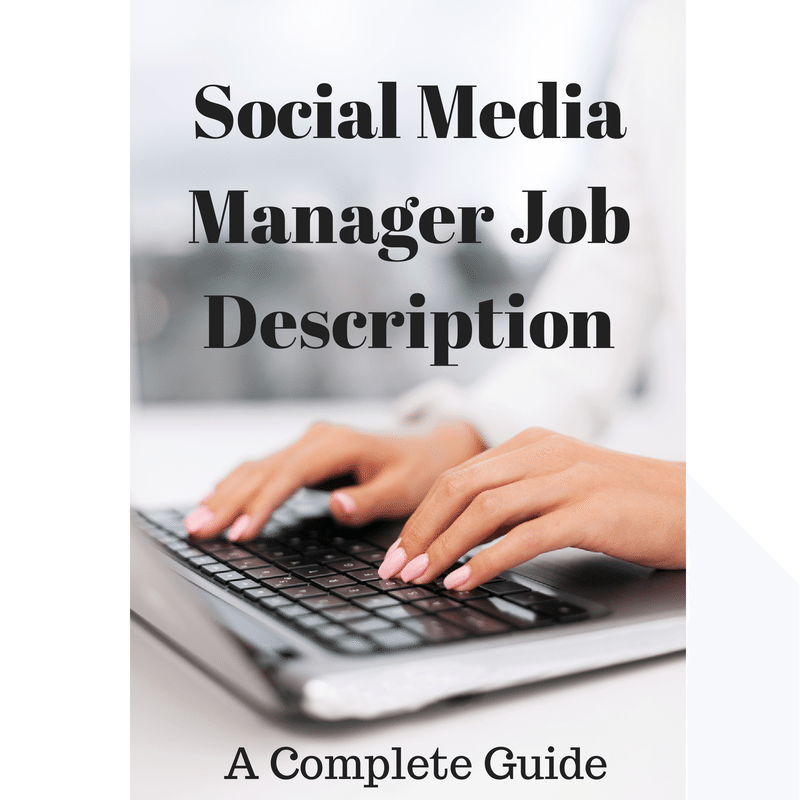
While Social marketing and social advertising are an integral part of your strategy, at its heart, Social Media is about people, conversations and capturing leads and sales from those relationships. In a previous post here I wrote about the questions to ask a potential hire. Once you’ve hired your savvy candidate, you’ll need a Social Media manager job description to track progress, hold them accountable and know exactly where your budget is going for Social Media marketing and advertising.
Here’s a comprehensive guide to help determine where your Social Media manager is succeeding and where you need to place more attention:
Social Media Manager Job Description
The Social Media Manager will implement the company’s Social Media marketing. Administration includes content strategy, develop brand awareness, generate inbound traffic and cultivate leads and sales. The Social Media manager is a highly motivated individual with experience and a passion for designing and implementing the Company’s content strategy, creating relevant content, blogging, community participation and leadership. This position is full time salaried with benefits, including attendance at Social Media, blogging and industry-specific conferences.
 Responsibilities
The following seven Social Media marketing components are the roadmap to success and are the responsibilities of the Social Media manager. Your Social Media manager must master them to execute Social campaigns effectively:
1. Clear Objectives
Set realistic goals. It isn’t enough to say you “see” results, they must tie back to your objectives. You’ll never know Social Media ROI without first setting objectives. For example, at Kruse Control, we use five objectives for Facebook marketing:
- Growth of Likes
- Reach
- Engagement
- Leads
- Sales
2. Great Design
Visual content has a lasting effect on us humans. Whether it’s your status updates, your landing pages or your Facebook ads, what the audience sees is what they’ll remember. Make sure it’s consistent, compelling and gets your point across.
3. Solid Content Strategy
What you post on your Social channels is the foundation for all your other Social Media marketing. The Social Media manager must perform a “Brand Discovery”, which outlines what it is about your business that makes it unique. This includes your core values and beliefs, and the reasons people want to buy from YOU. The answers should be in-depth and detailed.
The second part of your “Brand Discovery” describes your ideal customers. What are their interests, what problems can you solve, where do they spend their time, and how can you help them? Quality information that’s relevant to your ideal customers attracts them and sets your Social marketing up for the next steps.
4. Promotion Strategy
You need to continually grow your fan base. Social advertising is a very valuable tool to get your message heard. However, Social ads don’t look like the ads you’re used to seeing. They differ in content, placement and targeting. The best way to grow your Facebook page is to utilize Facebook Ads. A small budget with carefully selected photos and ad copy (with a clear call-to-action) will increase likes and foster engagement.
5. Engagement Strategy
Your Social Media manager should listen, respond, ask questions and engage with your audience. There should be careful consideration on how he/she responds to organic (non-paid) leads. People will ask questions and the Social Media manager should have knowledge and/or experience of the sales process to respond correctly. If a lead asks a question, answer it and follow it with a question back to them.
6. Conversion Strategy
With growth and engagement strategies in place, the Social Media manager’s job is to convert fans/followers into customers. The more advanced form of Facebook marketing utilizes Facebook ads and optimized landing pages to capture leads and convert them into sales. I’ve found most dealerships and other businesses need advice and support with conversion strategy. Find the right person to advise you so you get where you want to go faster, more cost-effectively and achieve the best results.
7. Measure & Analyze to establish ROI
Measure results on a weekly basis. As mentioned earlier, your results must tie back to your objectives. Factor in your time, effort and budget to determine if your efforts succeeded.
 Essential Duties
- Manage Social Media marketing campaigns and day-to-day activities including:
- Curate relevant content to reach the company’s ideal customers.
- Create, curate, and manage all published content (images, video and written).
- Monitor, listen and respond to users in a “Social” way while cultivating leads and sales.
- Conduct online advocacy and open stream for cross-promotions.
- Develop and expand community and/or blogger outreach efforts.
- Oversee design (ie: Facebook Timeline cover, profile pic, thumbnails, ads, landing pages, Twitter profile, and blog).
- Design, create and manage promotions and Social ad campaigns.
- Compile report for management showing results (ROI).
- Become an advocate for the Company in Social Media spaces, engaging in dialogues and answering questions where appropriate.
- Demonstrate ability to map out marketing strategy and then drive that strategy proven by testing and metrics.
- Develop a strategy and implement a proactive process for capturing customer online reviews. Monitor online ratings and respond accordingly.
- Monitor trends in Social Media tools, applications, channels, design and strategy.
- Identify threats and opportunities in user generated content surrounding the business. Report notable threats to appropriate management.
- Analyze campaigns and translate anecdotal or qualitative data into recommendations and plans for revising the Social Media campaigns.
- Monitor effective benchmarks (best practices) for measuring the impact of Social Media campaigns. Analyze, review, and report on effectiveness of campaigns in an effort to maximize results.
Qualifications and Experience
- Possesses knowledge and experience in the tenets of traditional marketing. Marketing degree is welcomed but not required with relevant work experience.
- Demonstrates creativity and documented immersion in Social Media. (Give links to profiles as examples).
- Proficient in content marketing theory and application. Experience sourcing and managing content development and publishing.
- Exhibits the ability to jump from the creative side of marketing to analytical side, able to demonstrate why their ideas are analytically sound.
- Displays in-depth knowledge and understanding of Social Media platforms, their respective participants (Facebook, Twitter, Yelp, Google+Local, YouTube, Instagram, Pinterest etc.) and how each platform can be deployed in different scenarios.
- Maintains excellent writing and language skills.
- Enjoys a working knowledge of the blogging ecosystem relevant to the Company’s field.
- Displays ability to effectively communicate information and ideas in written and video format.
- Exceeds at building and maintaining sales relationships, online and off.
- Is a Team player with the confidence to take the lead and guide other employees when necessary. (ie: content development, creation and editing of content, and online reputation management).
- Makes evident good technical understanding and can pick up new tools quickly.
- Maintains a working knowledge of principles of SEO including keyword research. Highly knowledgeable in the principles of “Search and Social”.
- Possesses functional knowledge and/or personal experience with WordPress.
- Demonstrates winning Social Customer Service techniques. Possesses great ability to identify potential negative or crisis situation and apply conflict resolution principles to mitigate issues.
It’s important to mention that qualified, savvy Social Media managers do not grow on trees. They’re the voice of your company and should be included in all matters which are customer-facing. With most every business needing to develop their online presence in order to participate in the consumer buying process, it’s in your best interests to hire the best and track their progress. Your online reputation and future sales depend on it!
Editor’s note: This post was originally published May 28, 2013 and has been completely revamped and updated for accuracy and comprehensiveness.
Author information
Kathi Kruse is an Automotive Social Media Marketing Expert, Blogger, Speaker, Coach, Author and Founder of Kruse Control Inc. Born in the heart of Los Angeles to a family of “car people”, Kathi’s passion for the car business spans a 30-year career managing successful dealerships in Southern California. Kathi is the author of “Automotive Social Business – How to Captivate Your Customers, Sell More Cars & Be Generally Remarkable on Social Media”. Her Kruse Control Blog is the leading Automotive Social Media blog in the US.
The post Social Media Manager Job Description: A Complete Guide appeared first on Kruse Control Inc.
Kathi Kruse
Kruse Control Inc.
Social Media marketing is a crowded space. The effort required now to get your business found, followed and favorited is enormous. It all hinges on how relevant your content is on the social channels you use to connect with customers and prospects.
One of the most common questions businesses and their salespeople have about Social Media content is, “How do I know if what I’m publishing is resonating with my customers?” The answer to this is actually quite simple. It’s tracking certain metrics and adopting specific changes within your organization to improve your content’s relevance.
At the end of the day, it’s all about traffic, leads and sales. If your content is not relevant to your customers and prospects, you won’t generate traffic. Without traffic, there will be no conversation and no leads. Without leads you’ll have nothing to convert into sales.
Here are 4 metrics to judge whether or not your Social Media content is relevant:
1. Increased Social Traffic
How much time do you spend tracking the results of your Social Media content? I know from my current clients that it tends to not be a priority. They get busy with daily operations; it’s normal and it’s nothing new. Many salespeople, managers and owners spend the bulk of their time formulating where their next deal is coming from. However, if you don’t know where you’ve been, how will you know where you’re going?
Increased Social traffic is directly proportionate to how useful your content is. If you’re not seeing traffic, it’s time to change your Social Media content strategy.
2. Tremendous Engagement
Engagement rate is more important than the number of likes on your Facebook page. If people aren’t connecting and engaging with your content, then it doesn’t matter whether you have 20 or 20,000 likes. No one will see your content. High engagement means that the potential reach of your brand is much greater.
Relevant content that users engage with creates an atmosphere of community. They think, “This brand gets me.” When prospects see content that’s relevant to them, they connect with you on a deeper level. That’s the goal of any marketing or advertising.
3. Higher Quality Leads
The result of expert Social Selling (leveraging Social Media to network and sell) is higher quality leads. When users have come to know you by the relevant content you write and/or publish, they recognize you and your business as helpful, trusted and easier to work with. Warmer leads close quicker, easier and there’s greater opportunity for upselling because of the trust factor. Beyond the initial sale, further sales opportunities lie in improved online reputation and better Social customer service.
4. Closed Sales
I have a client who had a prospect post on their Facebook page, “How can someone get out of lease without hurting your credit?” This client posts relevant content, has solid strategies to grow their network, they promote their specials, and get consistently high engagement. When all your hard work culminates into a warm lead, you have a much better chance of closing the sale.
The road to this sale was paved by relevant content. The customer felt comfortable enough to ask a pointed question. Helping your customers and prospects solve their problems is the key to closed sales. And what’s better than closing a sale from Facebook by simply being available with the right answers?
Author information
Kathi Kruse is an Automotive Social Media Marketing Expert, Blogger, Speaker, Coach, Author and Founder of Kruse Control Inc. Born in the heart of Los Angeles to a family of “car people”, Kathi’s passion for the car business spans a 30-year career managing successful dealerships in Southern California. Kathi is the author of “Automotive Social Business – How to Captivate Your Customers, Sell More Cars & Be Generally Remarkable on Social Media”. Her Kruse Control Blog is the leading Automotive Social Media blog in the US.
The post How to Know If Your Social Media Content is Relevant and Why It’s Uber Important appeared first on Kruse Control Inc.
Let’s face it. Social selling is here.
Studies have shown that more than three-fourths of salespeople who use social media in the sales process outperform those who don’t. Salespeople and their managers who leverage social networks (and the associated tools) in their overall daily sales process enjoy all of the following
- Build solid sales relationships
- Lead generation
- Close the sale
- Customer retention
It’s a wonder then why so many salespeople (and their managers) discount the value and benefits of Social Selling. Perhaps they need more evidence.
Many of my clients are reporting more traffic from Facebook (in some cases 3 times the amount) than from 3rd-party lead providers. The evidence is here but I fear the motivation to produce is not. Social Selling is not something you can do offhandedly. You must be ready to climb the mountain and an intention to help others is your sherpa.
If you’re ready to conquer Social Selling, or maybe you’ve tried it without results, here are 5 tips to grow your network and build a phenomenal online presence:
1. Create Content That Inspires People to Share
Whether you’re a salesperson on the front lines or a business, everyone needs high engagement on social networks. The root of all success on social is content that attracts your ideal customers. There’s been a lot of talk lately about Organic Reach on Facebook coming to dead stop. For many, this is true. Why is it true? Because your content sucks. People engage with things online that matter to them. If you’re posting things that aren’t of value, no one engages.
2. Participate in a Twitter Chat
Twitter chats are a great way to meet people, get inspired, build relationships and show your expertise. I have a client who participates regularly in a few chats and it’s completely boosted his online credibility and presence. Social is called Social because people talk to one another. If you’re not talking to people, you’re not building rapport…and you’re not selling.
3. Interact in Groups on LinkedIn
LinkedIn is another great way to meet people, discuss topics related to the things you sell, and establish you or your business as a thought-leader. People love belonging to a community – it’s in our DNA. Community members buy from community members. Being in a LinkedIn group and sharing valuable content regularly builds your network. Your efforts will become evident in the amount of connection requests you receive. LinkedIn groups are also a great way to help others (this is the Giver’s Gain mentality).
“You will get all you want in life, if you help enough other people get what they want.” ~Zig Ziglar
4. Attend or Even Start Your Own Google Hangout
There’s so much information your customers need during their buying decision process. Especially on the subject of car buying but this is true for many other industries, too. Google Hangouts are ideal for opening up dialog around the questions your customers have. In sales, we’re all teachers. People have questions about models, price, financing, comparisons, “which is best for me?”, even questions about reviews and online reputation. Google Hangouts let you teach people how to buy and get you noticed (and eventually spotlighted) in Google search results.
5. Blog at Least Twice a Week and Syndicate It on Social Media
I’m not going to pull punches here: blogging is scary and difficult, especially for those that don’t think they can write. Then, if you’ve managed to brave the big bad wolf and you’ve actually written some content, it’s hard to get eyeballs on it. While it’s not easy, the payoffs are huge so please don’t let opportunities (sales) pass you buy. Everyone started somewhere. Take a stab at it. Get some help and advice. Leverage your network by syndicating your posts.
In these 5 tips to grow your network, the common thread is getting yourself seen by helping others. Zig Ziglar impacted more than a quarter billion lives. He spent his life teaching people how to sell and in the process, taught people how to buy his products. Whatever industry you’re in, the same process can work for you. Isn’t it time to conquer the mountain of Social Selling?
Author information
Kathi Kruse is an Automotive Social Media Marketing Expert, Blogger, Speaker, Coach, Author and Founder of Kruse Control Inc. Born in the heart of Los Angeles to a family of “car people”, Kathi’s passion for the car business spans a 30-year career managing successful dealerships in Southern California. Kathi is the author of “Automotive Social Business – How to Captivate Your Customers, Sell More Cars & Be Generally Remarkable on Social Media”. Her Kruse Control Blog is the leading Automotive Social Media blog in the US.
The post 5 Tips to Grow Your Network, Conquer Social Selling appeared first on Kruse Control Inc.
Everyone would like to sell more. Not everyone knows exactly how. The answer may be right at your finger tips. Social selling increases your reach enabling you to sell more by leveraging the trusted relationships you’ve built up over the last month, year or your entire career.
All selling is social. Always has been. Always will be. Before Social Media, people bought from people in social ways. Today, we have Facebook, Twitter, LinkedIn and more to connect with prospects and customers during each stage of the buying process.
Many businesses and their salespeople don’t feel ready. To help you get ready and take action, I’ve compiled a list of 21 ways to engage your network for referrals and leads:
1. Always start with a plan.
Set clear goals. Here are some examples:
- Grow my network by 100 connections this month
- Engage with 20% of my network each month
- Convert 20 conversations into leads this month
- Track leads each week
- Earn 5 referrals this month
2. Take advantage of free real estate.
Fill out every one of your social profiles completely. You must put your best face forward in all sales situations and Social Selling is no different. Get yourself a great profile pic and keep it the same for each platform. Marketing is about a consistent message and that includes your ‘ personal brand.’ If you’re not good at writing your bio (most of us aren’t), hire someone to do it. It’s reasonable and it’s the first place after your profile pic that people will go to check you out.
3. Seek out like-minded individuals and groups on social platforms.
What do you like to do on your days off? Whatever that is, there’s a community for it. Engage people in conversations (do not try to sell to them right out of the shoot!). There’ll be plenty of time for that later on.
4. Practice the art of conversation.
If you were thrown into a professional environment where your life depended on getting to know people in the room, would you be able to do that? Your life does depend on your ability to converse with people – it’s how you make a living as a salesperson. Introverts can master this too. How do I know? Because I’m an introvert.
5. Consume content from bloggers that inspire you and post comments regularly.
Make the best of your downtime and spend 20 minutes a day reading inspiring content from bloggers you love. Engage them by asking questions. Share their posts to your network. Develop relationships from the inspiration you’ve experienced.
6. Be the first one in every relationship to provide value.
Online or offline, the right kind of leverage in a relationship allows you to extract value over time. How does one acquire that kind of leverage? Be the first person in the relationship to provide value.
7. Be a storyteller.
Storytelling makes your marketing and networking come alive. You can be like everyone else….or you can figure out what you do better than anyone else and tell your story.
8. Capture the attention of people on your Facebook.
Chances are you’ve already started building a network on Facebook. Share at least 2 relevant, interesting, helpful status updates per day on Facebook and engage at least 10 times per day with your network. I’ve had many salespeople and managers say they sold a car (or two, or ten) to someone they know on Facebook.
9. Show another side of your personality on Instagram.
Here’s your chance to tell a visual story.
10. Post content from your blog (or other people’s blogs) on LinkedIn at least twice a day.
LinkedIn is doing some really cool stuff. Like all social networks, when you share great content and engage, you move up in search results.
11. Reply to other people’s tweets.
Show that you’re interested in the things that other people have to say. It encourages them to check out your profile and content.
12. Use video in creative ways to show your personality, not just your products.
Here’s another great way to tell your story. If you feel comfortable in front of the camera, use it to your advantage. People want to know about the products you sell but they also want to know about you. They’re looking for ways to trust you. Give them some.
13. Share content on Google+ that’s relevant to your customers’ needs and interests.
Not everyone connects on G+ but if you do, build a trusted network there. Google will notice.
14. Develop your Ask.
Whether it’s a referral you’re looking for, a lead you’ve been chatting with or asking for online reviews from your current customers, everyone needs to work up their mojo to ask for what they want. Practice makes profit. Your repeat customers are ideal to ask, “Who do you know who…..” They’ll sing your praises to their network.
15. Don’t discount offline opportunities.
Are you involved with a charity, church, youth sports or other offline events and causes? If you are, set a goal of getting to know someone better in the group. Offer up meeting for coffee or a drink. If you’re not involved with a group offline, Meetup.com has hundreds of choices with all types of activities in your area.
16. Never underestimate the power of repeat customers as advocates.
Asking for testimonials should be in your plan. Connecting with your repeat customers on Social Media is a great way to stay in touch. Social Selling is not about you saying how great you are – the power lies in when others say it.
17. Be a teacher.
Content is a sales tool. Excellent content is all about teaching. Keep your ego out of the equation, and always put your buyer first. What do they want to know? What do they need to know? Write the answers to every possible question they might have about our product, service, industry. Great tip: Write down the 50 most frequently asked questions your sales people get from prospects and buyers. Now write 50 blog posts.
18. Always respect your contacts. Never try to sell to people who’ve never heard of you.
Just today, I was spammed by someone on LinkedIn. They sent me a message to join their “professional” religious group. The person who sent it is not connected with me nor am I interested in their fee-based group. If you do this, it shows prospects that you spent zero time getting to know them before you reached out and tried to sell them something. Take your time, build trust by working your plan.
19. Build loyalty.
Respond quickly if a customer has a complaint. When you’re responsive, open, willing to listen and take action to rectify a customer’s issue, your network (and theirs) will witness it. You’ll solidify your standing as a trustworthy seller who cares about your customers.
20. Connect using humor.
The shortest distance between two people is a laugh.
21. Be helpful.
This one sounds really simplistic but I want you to think about being helpful in every sales situation you come into. Solving problems and sharing important information that only you, with your expertise, can deliver. With your core intention to be helpful, you’ll touch many more people’s lives and create the impact you’re hoping for with Social Selling. Do you feel ready now to take the plunge with Social Selling? If you’d like to know more or get in-depth guidance for your sales team, click here.
Author information
Kathi Kruse is an Automotive Social Media Marketing Expert, Blogger, Speaker, Coach, Author and Founder of Kruse Control Inc. Born in the heart of Los Angeles to a family of “car people”, Kathi’s passion for the car business spans a 30-year career managing successful dealerships in Southern California. Kathi is the author of “Automotive Social Business – How to Captivate Your Customers, Sell More Cars & Be Generally Remarkable on Social Media”. Her Kruse Control Blog is the leading Automotive Social Media blog in the US.
The post Social Selling: 21 Ways to Engage Your Network for Referrals and Leads appeared first on Kruse Control Inc.