
Look out behind you: Carfax data shows backup camera recalls on the rise
By subscribing, you agree to receive communications from Auto Remarketing and our partners in accordance with our Privacy Policy. We may share your information with select partners and sponsors who may contact you about their products and services. You may unsubscribe at any time.
Hall of Fame pitcher Satchel Paige once advised us, “Don’t look back. Something might be gaining on you.”
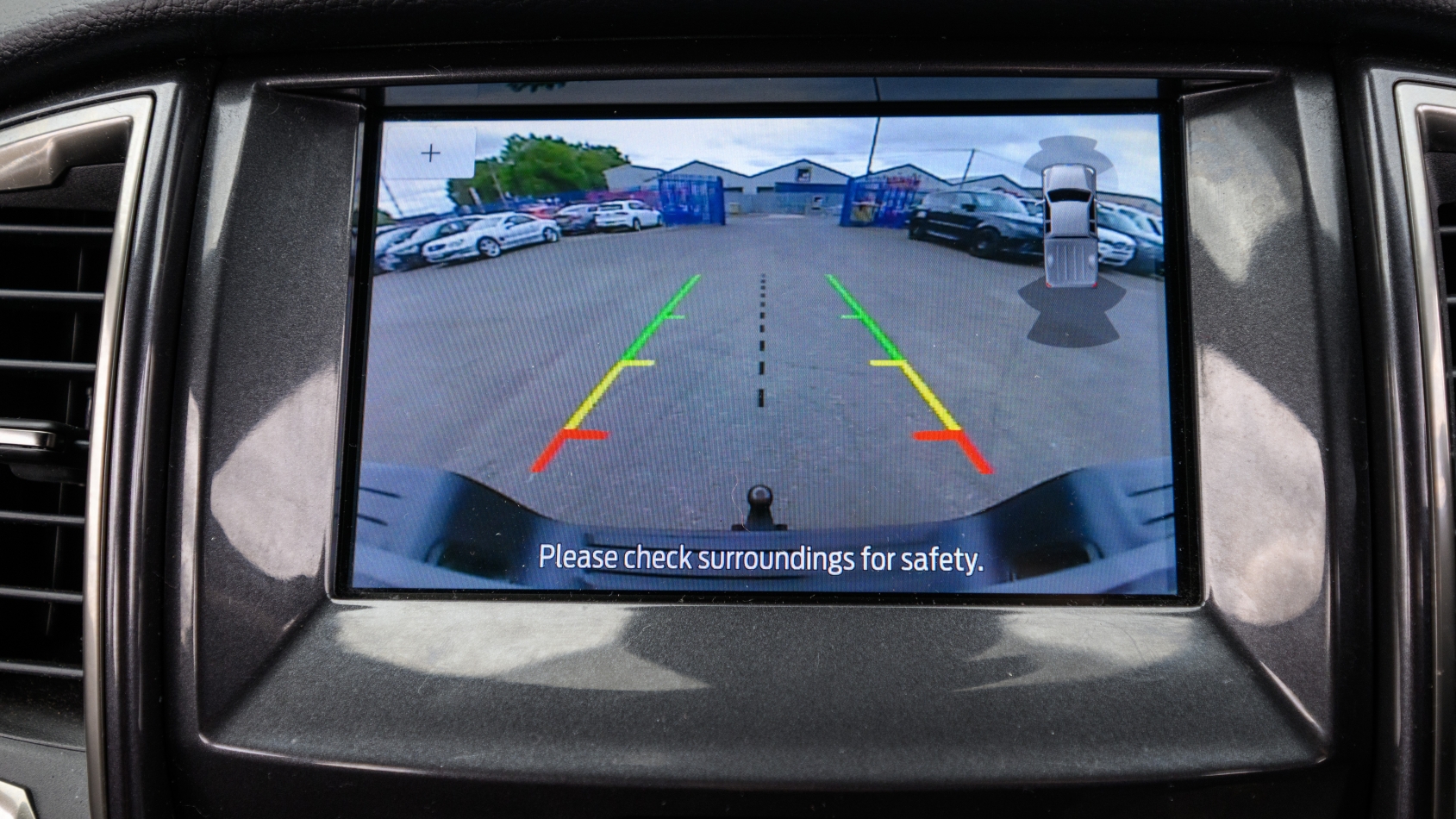
That said, when looking back is necessary, such as when you’re backing up in your car, a rear-facing camera can be very helpful, increasing visibility and reducing the risk of collisions and back-over accidents. But according to data from Carfax, recalls involving backup cameras are rising sharply, up by more than 1.5 million since the start of the year.
The provider of vehicle history reports said nearly 7 million vehicles on U.S. roads currently have an unfixed recall tied to their backup camera system, including blank or distorted screens, frozen images and intermittent camera failures.
Most recently, the National Highway Traffic Safety Administration reported Tesla recalled some 219,000 vehicles last week for delayed rearview camera images.
“Backup cameras are a critical safety feature and when they don’t work properly, it can significantly limit what drivers see behind them,” Carfax vice president of data acquisition Faisal Hasan said. “With millions of vehicles still carrying unfixed recalls, it’s important for drivers to check for open recalls and get them repaired as soon as possible. These fixes are free and can help prevent potential accidents.”
Carfax said the states with the most unrepaired camera recalls are Texas (696,000), California (545,000), Florida (492,000), Michigan (332,000), Ohio (282,000), Illinois (273,000), New York (269,000), Pennsylvania (263,000), Georgia (220,000) and North Carolina (216,000).
Subscribe to Auto Remarketing to stay informed and stay ahead.
By subscribing, you agree to receive communications from Auto Remarketing and our partners in accordance with our Privacy Policy. We may share your information with select partners and sponsors who may contact you about their products and services. You may unsubscribe at any time.
The company cited research by the American Academy of Pediatrics showing rearview cameras are associated with a roughly one-third reduction in back-over incidents with a nearly 50% decrease in severe injuries and a 78% reduction of reported fatalities.
Since 2018, federal regulations have required backup cameras on all new vehicles weighing 10,000 pounds or less sold in the U.S. Even minor malfunctions can become federal safety compliance issues, Carfax said, noting those systems often rely on interconnected hardware and software, creating more opportunities for widespread failures.
Drivers can check for open recalls on their vehicle at no cost through NHTSA at nhtsa.gov/recalls or at carfax.com/recall. Recall repairs are completed at no cost to consumers.