With new chief information and technology officer, NICB looking to reduce vehicle theft even further
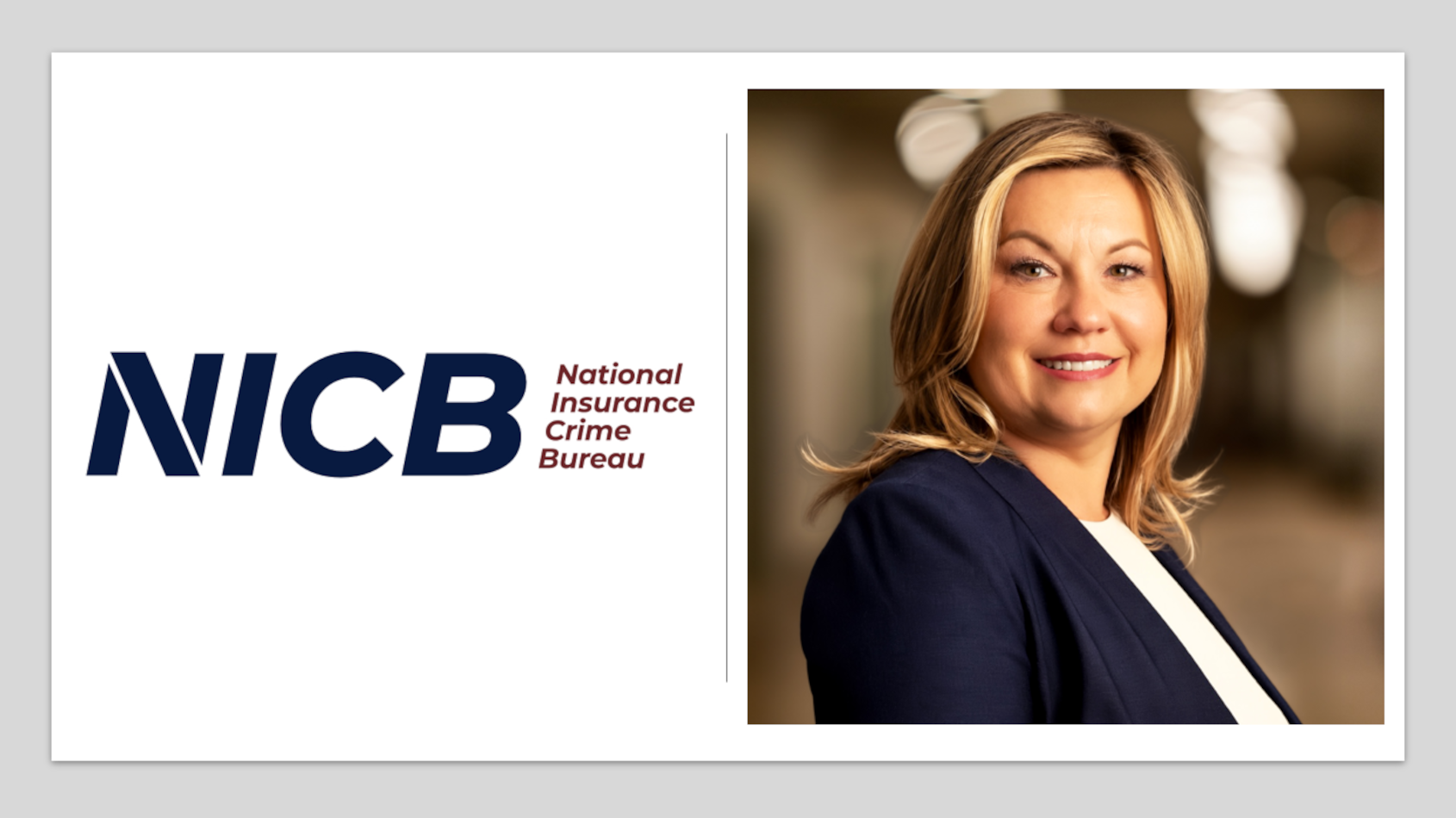
Marta Magnuszewska has joined NICB as the organization’s senior vice president and chief information and technology officer. Images courtesy of the National Insurance Crime Bureau.
By subscribing, you agree to receive communications from Auto Remarketing and our partners in accordance with our Privacy Policy. We may share your information with select partners and sponsors who may contact you about their products and services. You may unsubscribe at any time.
Along with welcoming the organization’s new senior vice president and chief information and technology officer, the National Insurance Crime Bureau (NICB) is using National Vehicle Theft Prevention Month to maintain positive momentum in curbing vehicle thefts, which have fallen to their lowest level nationally in several decades.
National Vehicle Theft Prevention Month, launched by the National Highway Traffic Safety Administration (NHTSA), is an annual opportunity to raise public awareness of the threat of vehicle theft and strengthen coordination between the public, law enforcement, insurers, policymakers, manufacturers and public safety partners.
NICB’s 2025 Vehicle Theft Report, released in March, found the U.S. experienced a 23.2% national decline in vehicle thefts from 2024 to 2025, falling from 850,708 thefts in 2024 to 659,880 thefts in 2025.
That decrease represents 190,828 fewer vehicle thefts year-over-year.
NICB said these trends stem from coordinated prevention and intelligence sharing between law enforcement and industry, public awareness campaigns, technology and resource investments in law enforcement and theft prevention programs and strengthened criminal penalties across the country.
“Vehicle theft declined significantly in 2025, and we know that progress did not happen by accident,” NICB president and CEO David Glawe said in a news release. “It reflects coordinated work among law enforcement, auto theft prevention authorities, policymakers, manufacturers, insurers and the public. While public-private partnerships in crime prevention are making a difference, the fight against vehicle theft is not over.”
Subscribe to Auto Remarketing to stay informed and stay ahead.
By subscribing, you agree to receive communications from Auto Remarketing and our partners in accordance with our Privacy Policy. We may share your information with select partners and sponsors who may contact you about their products and services. You may unsubscribe at any time.
NICB highlighted nearly every state saw reductions in vehicle theft, and several states saw especially significant decreases in theft volume, including:
California: 45,278 fewer thefts
Texas: 23,027 fewer thefts
Washington: 11,617 fewer thefts
Florida: 10,929 fewer thefts
Colorado: 8,863 fewer thefts
Georgia: 6,663 fewer thefts
Missouri: 6,325 fewer thefts
Tennessee: 6,270 fewer thefts
Illinois: 6,048 fewer thefts
Michigan: 4,799 fewer thefts
NICB recapped that auto theft prevention authorities have played an important role in several states that saw major decreases in vehicle theft.
The organization noted that Colorado, Texas and Washington, which saw among the largest volume and percentage declines in theft, strengthened their criminal penalties for theft in recent years and have dedicated auto theft prevention authorities that support public awareness, law enforcement coordination, grantmaking, technology investments and partnerships with groups like NICB.
“Colorado, Texas and Washington are prime examples of what is possible when states build durable infrastructure around auto theft prevention,” Glawe said. “Dedicated authorities, targeted law enforcement support, public awareness and strong public-private collaboration foster a sustainable public safety strategy.”
NICB went on to mention that public awareness and continued support of the existing anti-theft groups remain a critical part of prevention. The decline also follows policy and enforcement changes in several states.
NICB also warned against complacency stemming from the progress made year ago. More than 659,000 vehicles were still stolen nationwide last year, and organized theft networks are continuing to evolve, presenting new vehicle theft risks.
During National Vehicle Theft Prevention Month, NICB is calling for continued action in funding law enforcement, sustained commitment to auto theft prevention authorities, stronger penalties and increasing prosecutions where necessary, modernized laws for emerging high-tech thefts, and protection for victims.
Even as vehicle thefts continue to decline, NICB is encouraging drivers to take these basic prevention steps:
While in your vehicle:
—Park in well-lit areas. Increased visibility deters thieves, so always park in a well-lit parking lot or spot near a streetlight.
—Roll up your windows. Limit point of access by making sure your windows are rolled up before you exit your vehicle.
When exiting your vehicle:
—Lock your doors. Some criminals walk through parking lots testing handles to choose which vehicle they take, so always lock your car before you leave it.
—Never leave your vehicle running while unattended. An empty vehicle with the engine running is practically an invitation to opportunistic criminals. Always turn off your vehicle when you exit.
—Always take your keys with you. Even if you’re picking up a quick coffee or running back inside your house for something, it only takes moments for thieves to jump in and drive off with your car.
For an additional layer of security:
—Consider using anti-theft technology. These items include steering wheel locks, audible alarms, kill switches, or aftermarket GPS tracking like air tags. These items deter thieves from targeting your car, and if they do take it, ultimately make it easier to find.
Newest executive at NICB
In other organization news, NICB on Monday welcomed Marta Magnuszewska as its new senior vice president and chief information and technology officer.
In this role, Magnuszewska will be responsible for:
—Advancing NICB’s technology strategy and enterprise architecture
—Leading the information technology team, including infrastructure, cybersecurity, application development and technical support
—Directing the data science team, driving data content, governance, and product development;
—Guiding NICB’s AI direction and innovation
Prior to joining NICB, Magnuszewska served as vice president of claims transformation, data analytics and AI for Markel Insurance Corp., where she spearheaded transformative initiatives within the claim organization and with an enterprise-wide impact.
Magnuszewska also has been an assistant vice president of data science and underwriting transformation at The Hartford, global senior manager of data and analytics at John Bean Technologies, and various roles at Allstate Insurance, including as senior leader of operational transformation and analytics in claims.
“Marta is a senior enterprise technology, data, and analytics leader with over two decades of experience across the insurance industry where she led enterprise-wide modernization efforts spanning claims, underwriting, and data ecosystems, including data pipelines, predictive models, and analytics platforms that improved fraud detection, operational efficiency, and claims outcomes,” Glawe said in another news release.
“She has a proven track record of delivering measurable business impact, including scaling fraud analytics capabilities, modernizing claims operations through real-time data insights and integration, and leading global data and analytics strategies across multiple organizations,” Glawe went on to say.